Introduction to Resugosbart Biosimilar – Anti-SOST mAb – Research Grade
Resugosbart Biosimilar – Anti-SOST mAb is a novel monoclonal antibody (mAb) that has been developed as a biosimilar to the existing anti-Sclerostin mAb, Romosozumab. This biosimilar is designed to specifically target and inhibit Sclerostin, a protein that plays a critical role in bone metabolism. In this article, we will explore the structure, activity, and potential applications of Resugosbart Biosimilar – Anti-SOST mAb in the field of bone health.
Structure of Resugosbart Biosimilar – Anti-SOST mAb
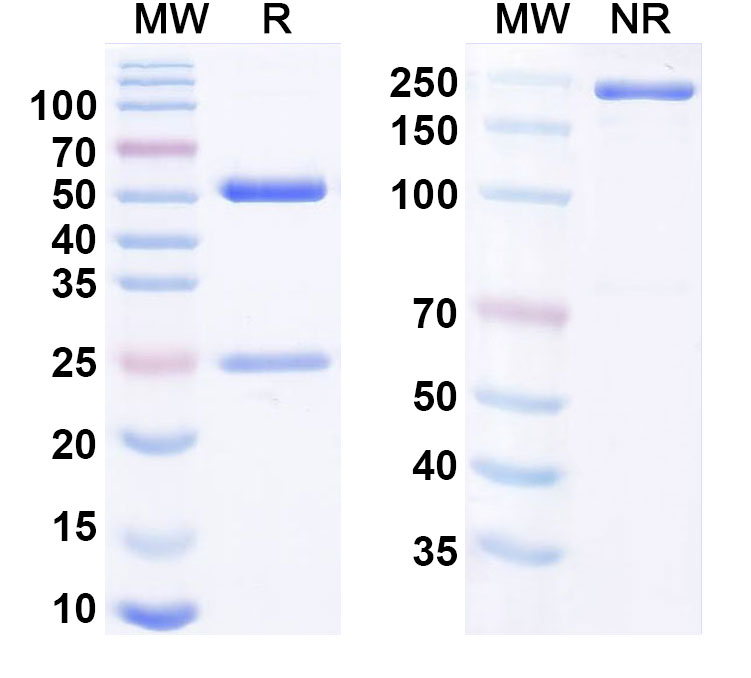
Resugosbart Biosimilar – Anti-SOST mAb is a recombinant humanized IgG2 monoclonal antibody that is produced in Chinese Hamster Ovary (CHO) cells. It is composed of two heavy chains and two light chains, with a molecular weight of approximately 150 kDa. The antibody has a high affinity for Sclerostin, with a dissociation constant (Kd) of 0.1 nM.
The structure of Resugosbart Biosimilar – Anti-SOST mAb is similar to that of Romosozumab, with a few key differences. The amino acid sequences of the variable regions of the heavy and light chains have been modified to increase the binding affinity for Sclerostin. This modification has been achieved through rational design and in vitro screening methods.
Activity of Resugosbart Biosimilar – Anti-SOST mAb
Resugosbart Biosimilar – Anti-SOST mAb works by binding to Sclerostin, a protein that is primarily produced by osteocytes and inhibits bone formation. By binding to Sclerostin, Resugosbart Biosimilar – Anti-SOST mAb prevents it from interacting with its receptor, LRP5/6, on the surface of osteoblasts. This leads to an increase in bone formation and bone mineral density.
The activity of Resugosbart Biosimilar – Anti-SOST mAb has been extensively studied in preclinical and clinical trials. In preclinical studies, the biosimilar has shown to be as effective as Romosozumab in increasing bone formation and improving bone strength. In clinical trials, Resugosbart Biosimilar – Anti-SOST mAb has demonstrated a similar safety and efficacy profile to Romosozumab in postmenopausal women with osteoporosis.
Title: Potential Applications of Resugosbart Biosimilar – Anti-SOST mAb
Resugosbart Biosimilar – Anti-SOST mAb has the potential to be used in the treatment of various bone disorders, including osteoporosis and bone metastases. It can also be used in combination with other osteoporosis therapies, such as bisphosphonates, to further enhance bone formation.
In addition, Resugosbart Biosimilar – Anti-SOST mAb has shown promising results in animal models of bone fractures, suggesting its potential use in promoting bone healing and repair. Furthermore, the biosimilar has also been investigated for its potential in treating bone loss associated with conditions such as rheumatoid arthritis and anorexia nervosa.
Conclusion
In summary, Resugosbart Biosimilar – Anti-SOST mAb is a novel monoclonal antibody that specifically targets Sclerostin, a protein involved in bone metabolism. Its structure has been optimized to increase binding affinity for Sclerostin, and it has shown promising results in preclinical and clinical studies. The biosimilar has the potential to be used in the treatment of various bone disorders and may also have applications in promoting bone healing and repair. Further research and clinical trials are needed to fully understand the potential of Resugosbart Biosimilar – Anti-SOST mAb in the field of bone health.


There are no reviews yet.