Introduction
Recombinant Mouse CD68 Protein, also known as Cluster of Differentiation 68, is a glycoprotein that is encoded by the CD68 gene in mice. It is a member of the lysosomal-associated membrane protein (LAMP) family and is primarily expressed in macrophages, monocytes, and dendritic cells. This protein plays a crucial role in various cellular processes such as endocytosis, phagocytosis, and antigen presentation. In this article, we will discuss the structure, activity, and applications of Recombinant Mouse CD68 Protein.
Structure of Recombinant Mouse CD68 Protein
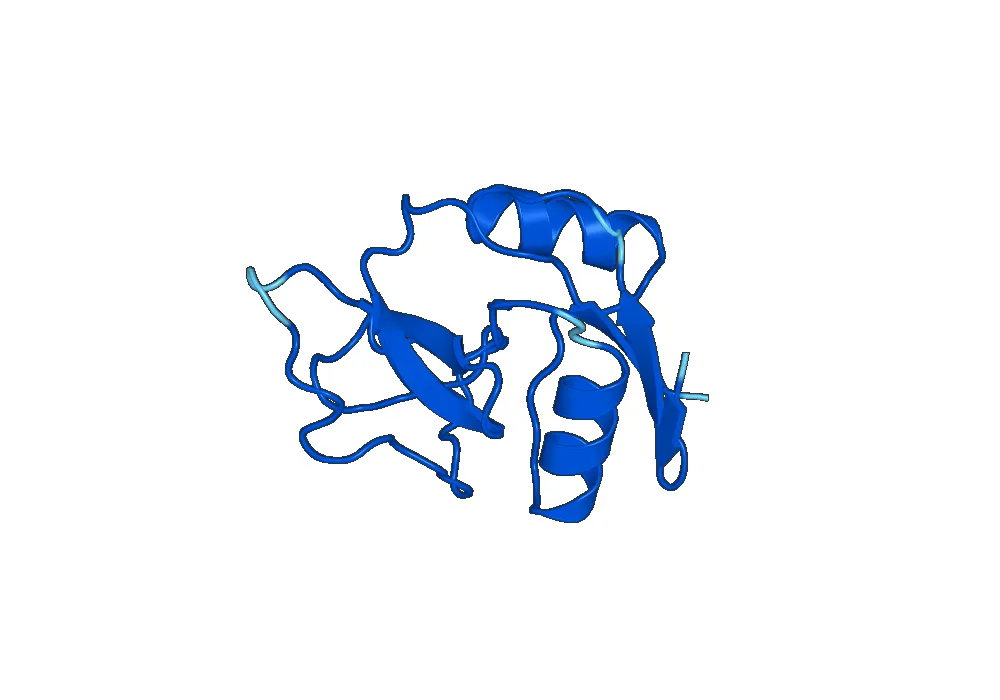
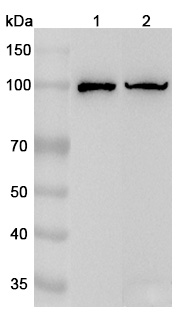
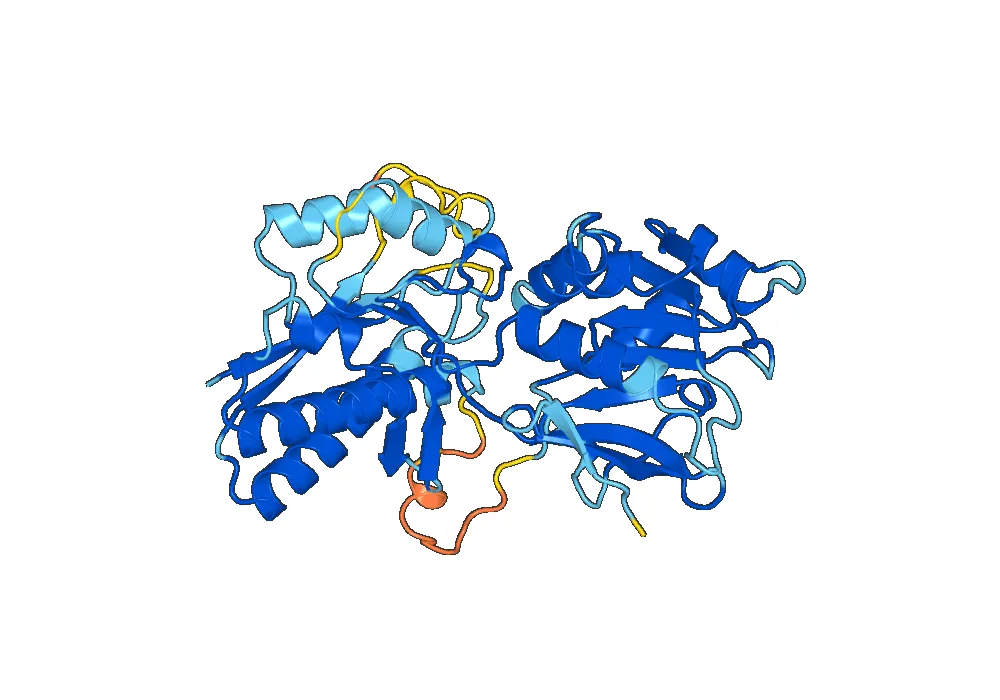
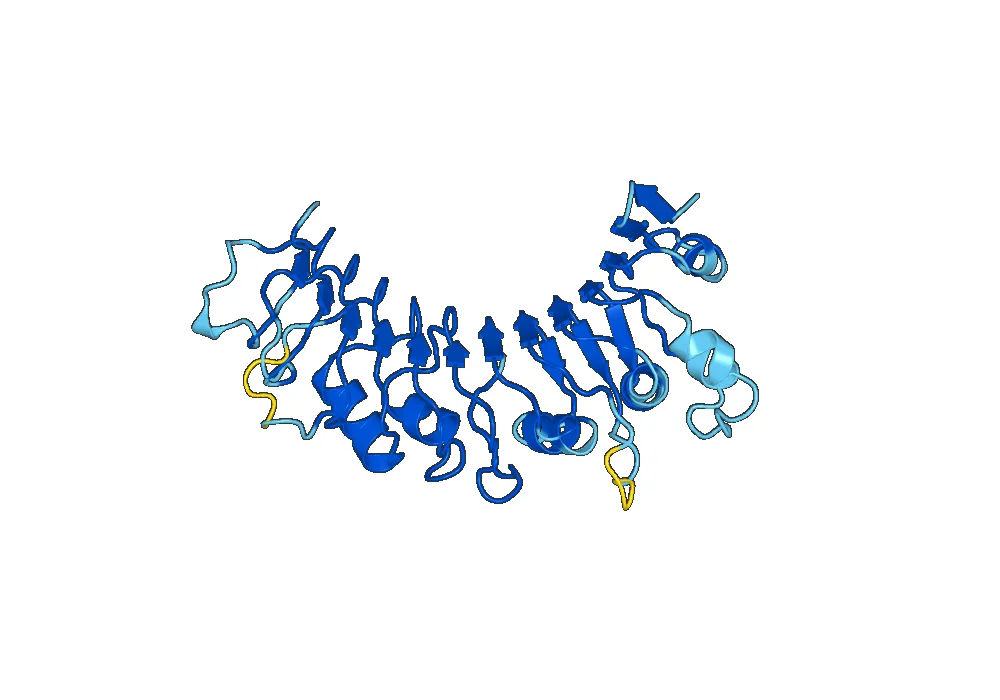
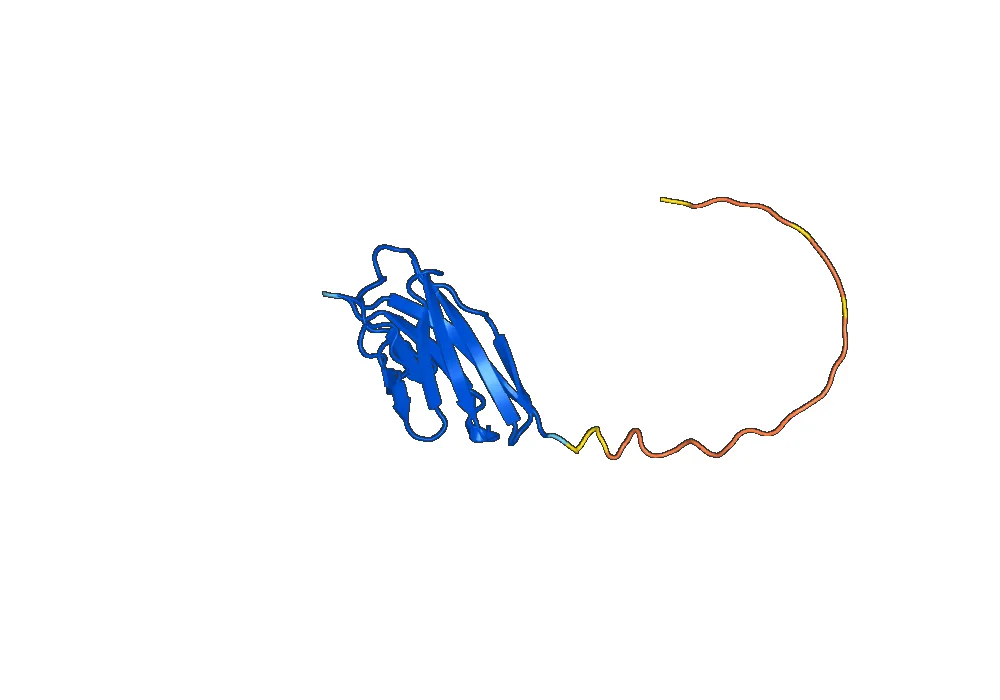
Recombinant Mouse CD68 Protein is a transmembrane glycoprotein with a molecular weight of approximately 110 kDa. It consists of 354 amino acids and has a single transmembrane domain. The extracellular region of this protein contains a heavily glycosylated N-terminal domain and a C-terminal domain. The cytoplasmic region of CD68 contains a conserved lysosomal-targeting signal, which is responsible for its localization to lysosomes.
Activity of Recombinant Mouse CD68 Protein
Recombinant Mouse CD68 Protein is primarily involved in the process of endocytosis and phagocytosis. It acts as a scavenger receptor and binds to various ligands, including modified low-density lipoproteins, lipopolysaccharides, and apoptotic cells. This binding triggers the internalization of these ligands into the cell, where they are degraded by lysosomal enzymes.
Apart from its role in endocytosis and phagocytosis, Recombinant Mouse CD68 Protein also plays a crucial role in antigen presentation. It is expressed on the surface of antigen-presenting cells, such as macrophages and dendritic cells, and is involved in the processing and presentation of antigens to T cells. This process is essential for the activation of the immune response against foreign pathogens.
Applications of Recombinant Mouse CD68 Protein
Recombinant Mouse CD68 Protein has various applications in the field of research and biotechnology. One of the most significant applications of this protein is in the study of macrophage biology. As CD68 is primarily expressed in macrophages, its recombinant form can be used as a marker to identify and isolate these cells from other cell types. This is particularly useful in studying the role of macrophages in various diseases and conditions.
Another important application of Recombinant Mouse CD68 Protein is in cancer research. CD68 is known to be overexpressed in various cancer types, including breast cancer, ovarian cancer, and prostate cancer. The recombinant form of this protein can be used to develop diagnostic tools for these cancers, as well as potential therapeutic targets.
Furthermore, Recombinant Mouse CD68 Protein is also used in the development of vaccines and immunotherapies. As this protein is involved in antigen presentation, it can be used to enhance the immune response against specific antigens. This has significant implications in the treatment of infectious diseases and cancer.
Conclusion
In conclusion, Recombinant Mouse CD68 Protein is a vital protein that plays a crucial role in various cellular processes, including endocytosis, phagocytosis, and antigen presentation. Its structure, activity, and applications make it a valuable tool in the field of research and biotechnology. With further research and development, this protein has the potential to contribute to the development of new treatments for various diseases and conditions.




There are no reviews yet.