Introduction to Recombinant Mouse IL31 Protein
Recombinant Mouse IL31 Protein is a highly versatile and biologically active protein that plays a crucial role in various physiological processes. It is a recombinant form of the Interleukin-31 (IL-31) protein, which is a member of the IL-6 cytokine family. This protein is produced by recombinant DNA technology, making it a valuable tool for research and therapeutic applications.
Structure of Recombinant Mouse IL31 Protein
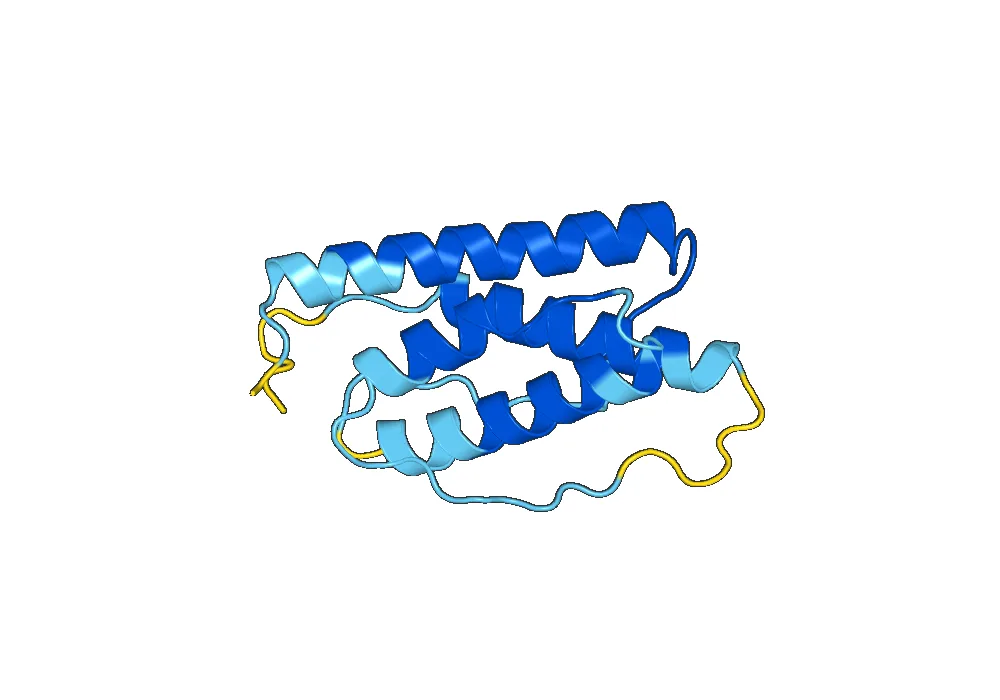
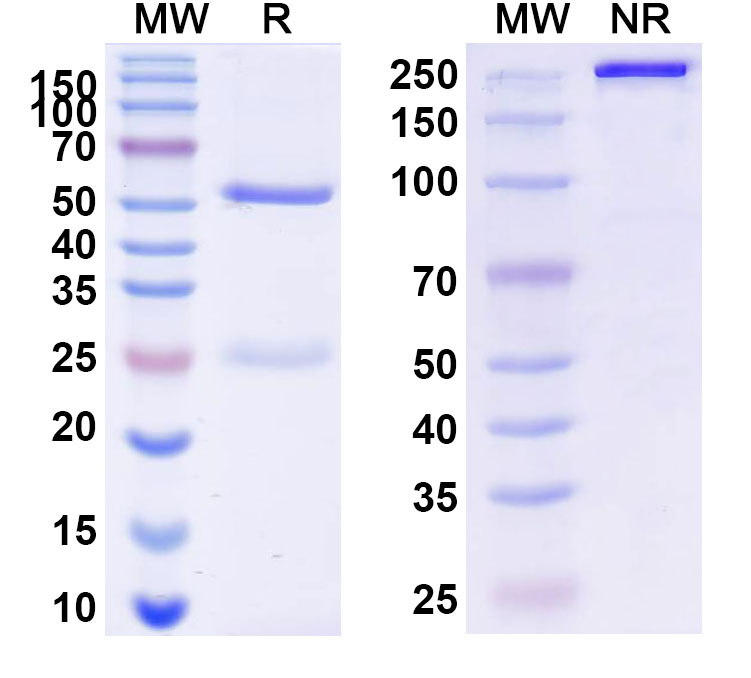
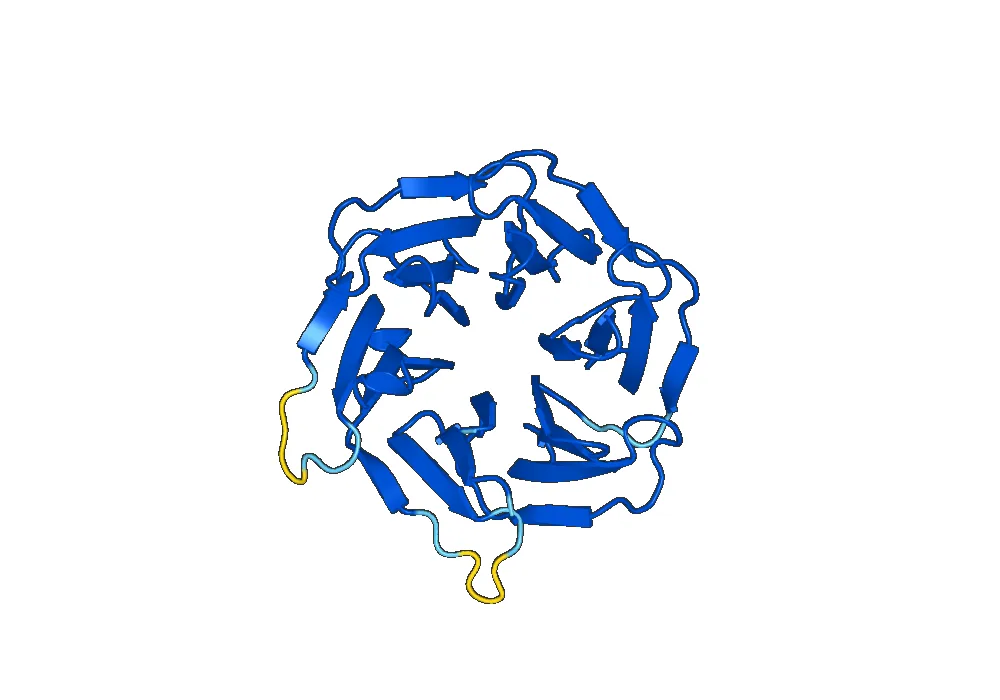
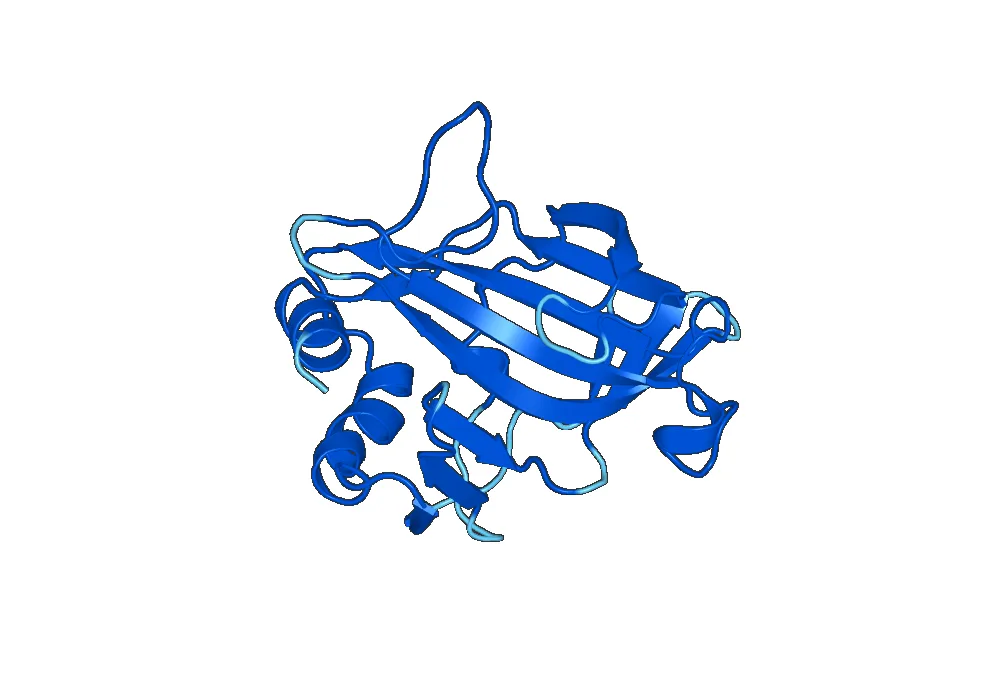
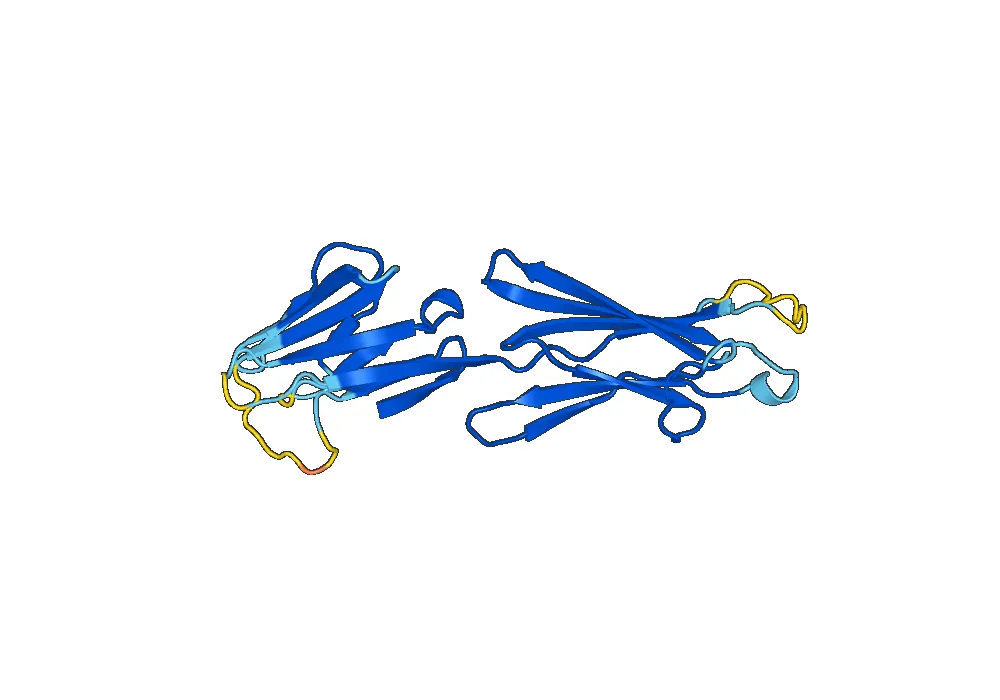
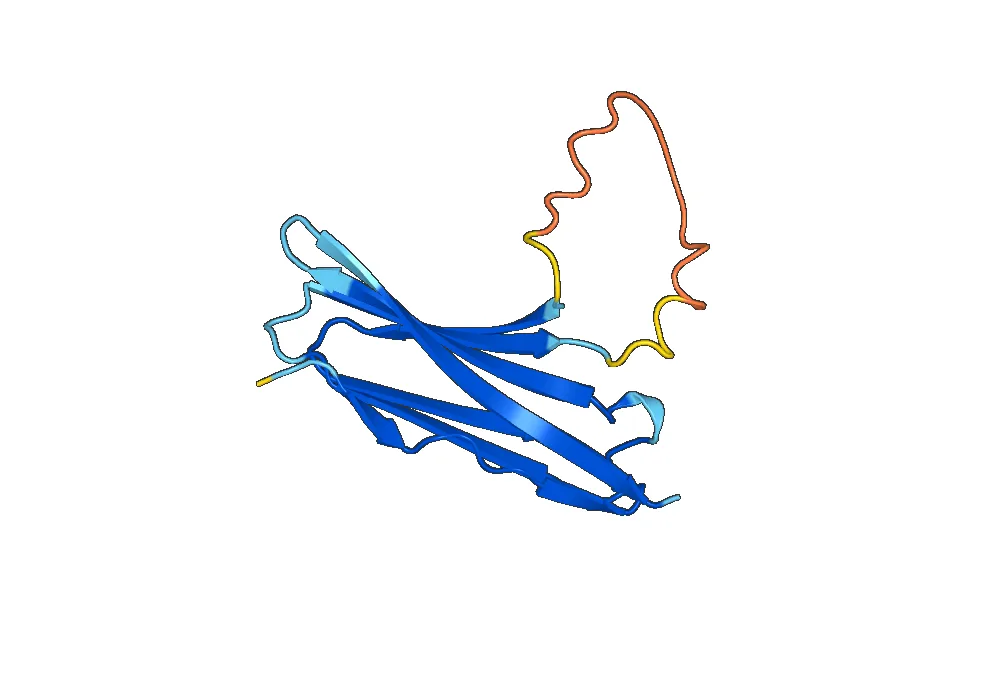
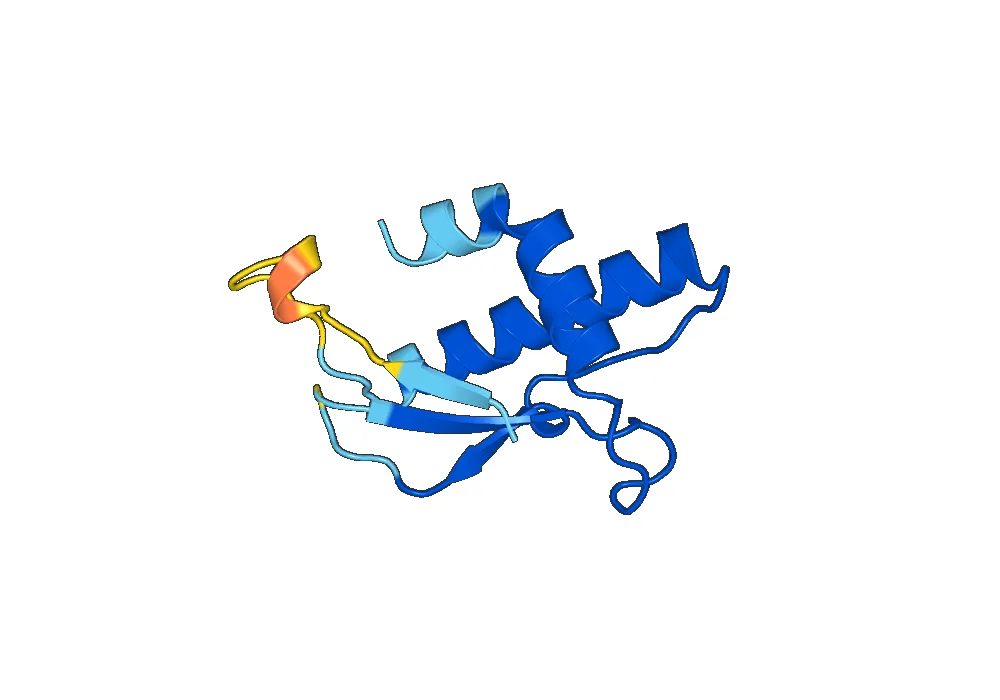
The recombinant form of IL-31 is a 24 kDa protein consisting of 174 amino acids. It shares a high degree of sequence homology with the human IL-31 protein, with 84% identity at the amino acid level. The protein is composed of four alpha-helices and a long loop region, which is responsible for its biological activity. The recombinant protein is synthesized in a eukaryotic expression system, ensuring proper post-translational modifications and maintaining its structural integrity.
Activity of Recombinant Mouse IL31 Protein
Recombinant Mouse IL31 Protein exhibits a wide range of biological activities, including pro-inflammatory and anti-inflammatory effects. It acts as a potent activator of various immune cells, such as T cells, B cells, and natural killer cells. It also plays a crucial role in regulating the differentiation and function of immune cells, making it a key mediator in immune responses.
One of the main functions of IL-31 is its ability to induce itch sensation in the skin. It binds to its receptor, IL-31RA, which is expressed on sensory neurons, triggering the release of inflammatory mediators and causing itch. This makes it a potential therapeutic target for treating conditions associated with chronic itch, such as atopic dermatitis and psoriasis.
Moreover, recombinant IL-31 has been shown to have anti-inflammatory effects in certain disease models. It can inhibit the production of pro-inflammatory cytokines and chemokines, reducing inflammation and tissue damage. This makes it a promising candidate for the treatment of inflammatory diseases, such as rheumatoid arthritis and inflammatory bowel disease.
Application of Recombinant Mouse IL31 Protein
The availability of recombinant Mouse IL31 Protein has opened up new avenues for research and therapeutic applications. In the research field, it is widely used as a tool for studying the biological functions of IL-31 and its receptor. Its ability to induce itch sensation has also made it a valuable tool for investigating the mechanisms of itch and developing anti-itch therapies.
On the therapeutic front, recombinant IL-31 is being explored as a potential treatment for various inflammatory and immune-mediated diseases. Clinical trials are currently underway to evaluate its efficacy in conditions such as atopic dermatitis, psoriasis, and chronic pruritus. The results so far have shown promising outcomes, making it a potential alternative to current treatment options.
In addition, recombinant IL-31 is also being investigated for its role in cancer. Studies have shown that it can promote the growth and survival of certain cancer cells, making it a potential target for cancer therapy. On the other hand, it has also been shown to have anti-tumor effects in some cancer models, highlighting its complex role in cancer biology.
Conclusion
Recombinant Mouse IL31 Protein is a valuable tool for scientific research and a promising candidate for therapeutic applications. Its unique structure and diverse biological activities make it a versatile protein with potential in various fields, including immunology, dermatology, and oncology. As research on this protein continues, we can expect to uncover more of its functions and potential applications in the future.

There are no reviews yet.