Introduction
Recombinant proteins are proteins that are produced through the manipulation of genetic material, specifically DNA. These proteins are widely used in various scientific and medical applications due to their high purity and specificity. One such recombinant protein is the Mouse FBLN7 Protein, which has gained attention for its unique structure, diverse activities, and potential applications.
Structure of Recombinant Mouse FBLN7 Protein
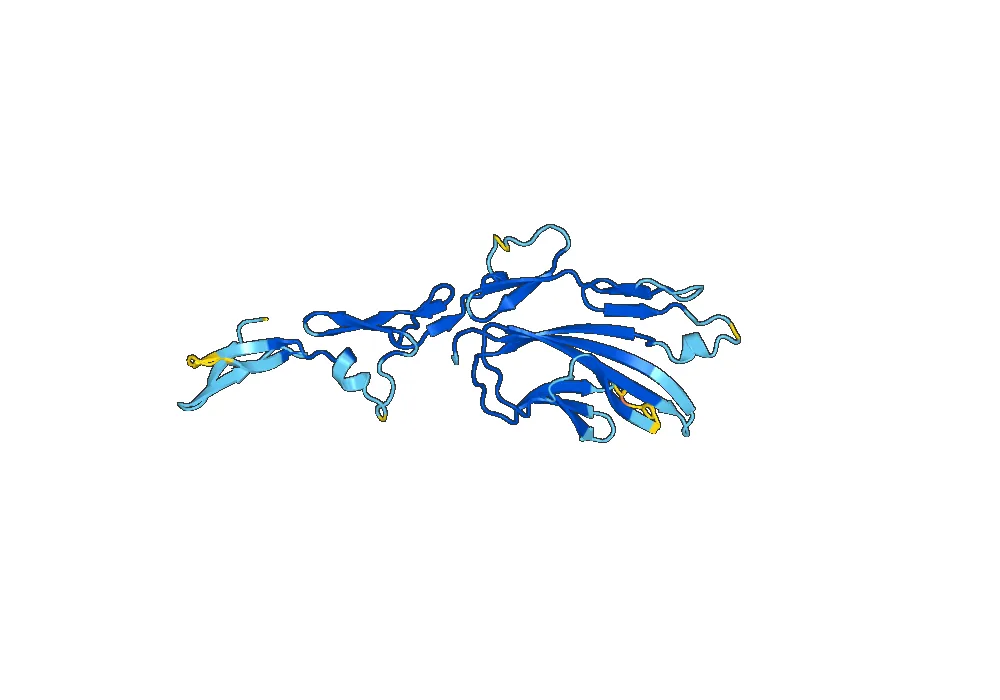
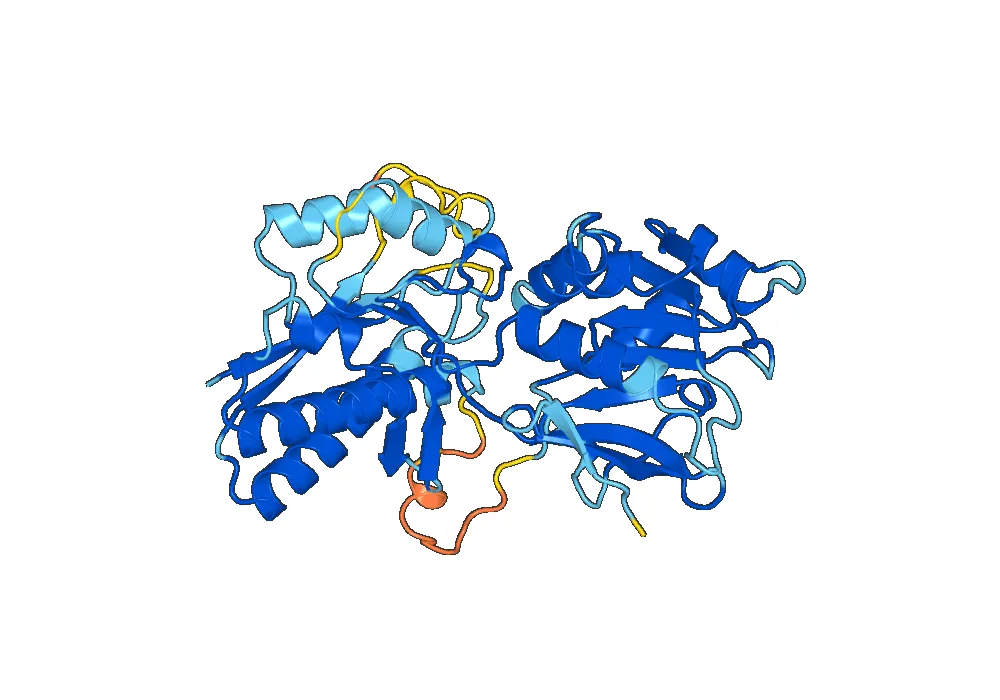
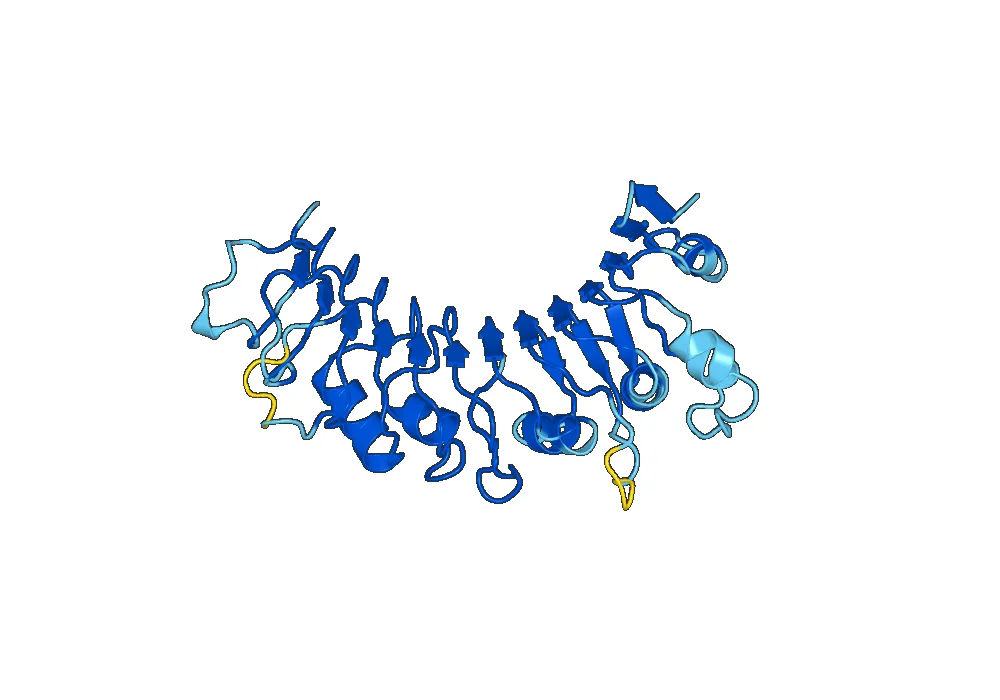
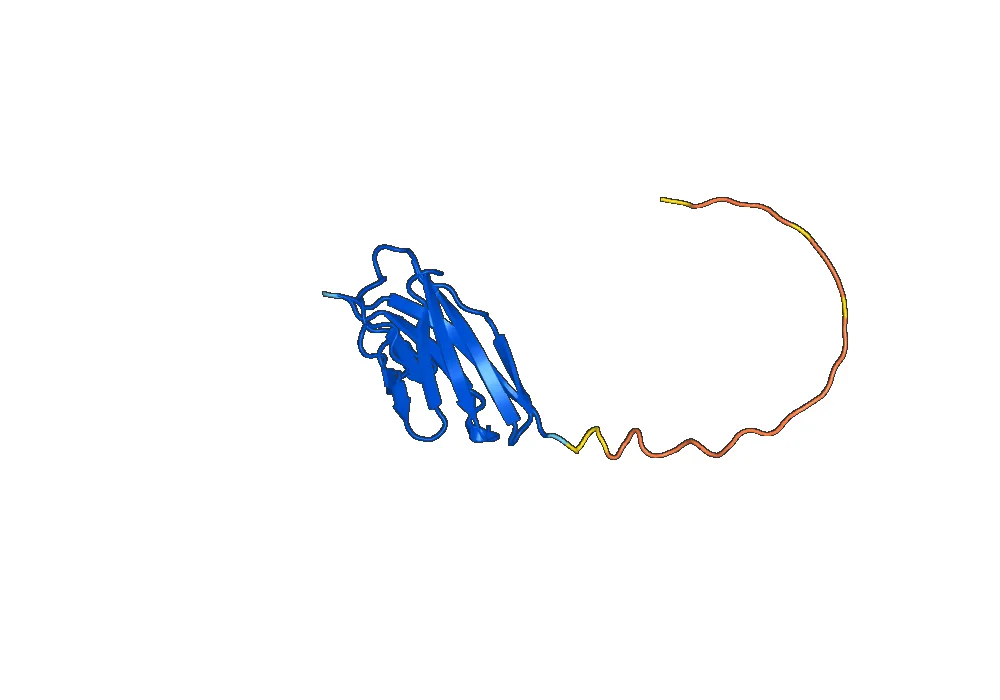
The Mouse FBLN7 Protein, also known as Fibulin-7, is a member of the fibulin family of extracellular matrix proteins. It is composed of 457 amino acids and has a molecular weight of approximately 50 kDa. The protein contains multiple domains, including an N-terminal cysteine-rich domain, a calcium-binding EGF-like domain, and a C-terminal fibulin-type module. These domains play a crucial role in the protein’s structure and function.
Recombinant Technology Used for Production
The recombinant Mouse FBLN7 Protein is produced using the latest molecular cloning techniques. The gene encoding the protein is first isolated from the mouse genome and then inserted into a suitable expression vector. This vector is then introduced into a host cell, such as E. coli or yeast, to produce large quantities of the protein. The recombinant protein is then purified using various chromatography techniques to obtain a highly pure and active form.
Activity of Recombinant Mouse FBLN7 Protein
The Mouse FBLN7 Protein has been shown to have diverse activities in various biological processes. It is primarily known for its role in cell adhesion and extracellular matrix organization. The protein has been found to interact with other extracellular matrix proteins, such as fibronectin and laminin, to promote cell adhesion and migration. Additionally, the protein has been shown to play a role in tissue development and wound healing.
Potential as an Antigen
Recombinant Mouse FBLN7 Protein has also been identified as a potential antigen for various diseases. Studies have shown that the protein is expressed in high levels in certain types of cancer, such as breast and lung cancer. This makes it a potential target for cancer immunotherapy. Furthermore, the protein has been found to be immunogenic, meaning it can elicit an immune response in the body. This makes it a promising candidate for vaccine development.
Applications of Recombinant Mouse FBLN7 Protein
The unique structure and diverse activities of the Mouse FBLN7 Protein make it a valuable tool in various scientific and medical applications. Some of its potential applications include:
1. Cell Culture Studies
The recombinant Mouse FBLN7 Protein can be used in cell culture studies to investigate its role in cell adhesion and extracellular matrix organization. It can also be used to study its potential as a therapeutic target for cancer and other diseases.
2. Biomaterials
The protein’s ability to promote cell adhesion and tissue development makes it a potential candidate for use in biomaterials. It can be incorporated into scaffolds or coatings to enhance cell attachment and tissue regeneration.
3. Drug Development
Recombinant Mouse FBLN7 Protein can also be used in drug development, especially for cancer treatment. Its potential as an antigen and its role in cell adhesion and migration make it a promising target for drug development.
4. Diagnostic Tool
The protein’s


There are no reviews yet.