Introduction to Recombinant Mouse FABP4 Protein
Recombinant Mouse FABP4 Protein, also known as fatty acid binding protein 4, is a protein that plays a crucial role in lipid metabolism. It is a member of the fatty acid binding protein family, which are small cytoplasmic proteins that bind to fatty acids and other hydrophobic ligands. FABP4 is highly expressed in adipose tissue and is involved in the transport and metabolism of fatty acids. In recent years, recombinant mouse FABP4 protein has gained significant attention in the scientific community due to its potential applications in various fields such as obesity, diabetes, and cardiovascular diseases.
Structure of Recombinant Mouse FABP4 Protein
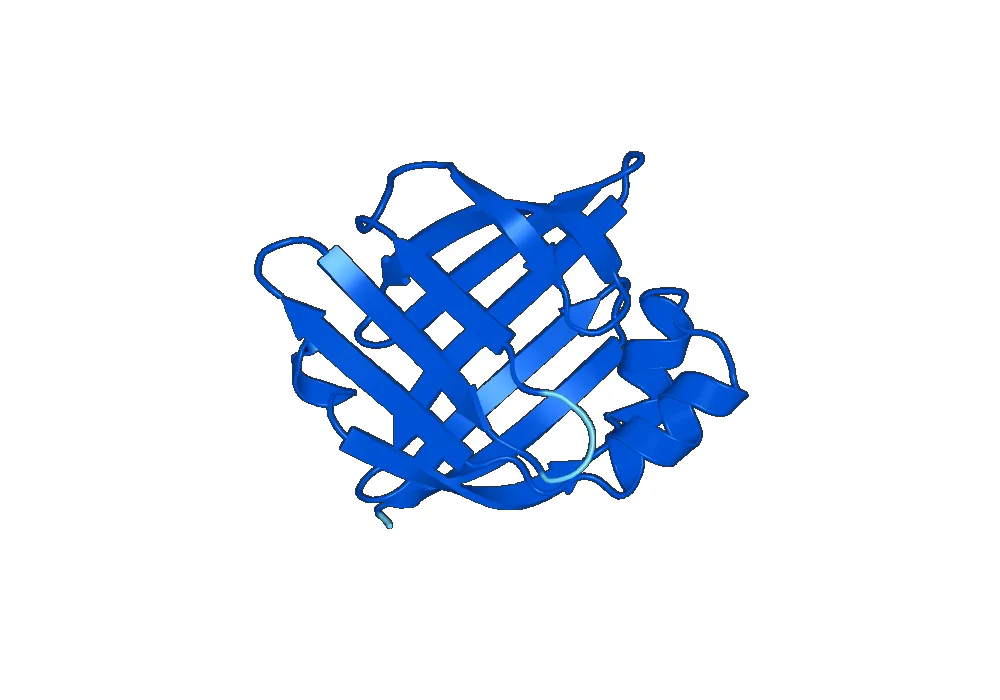
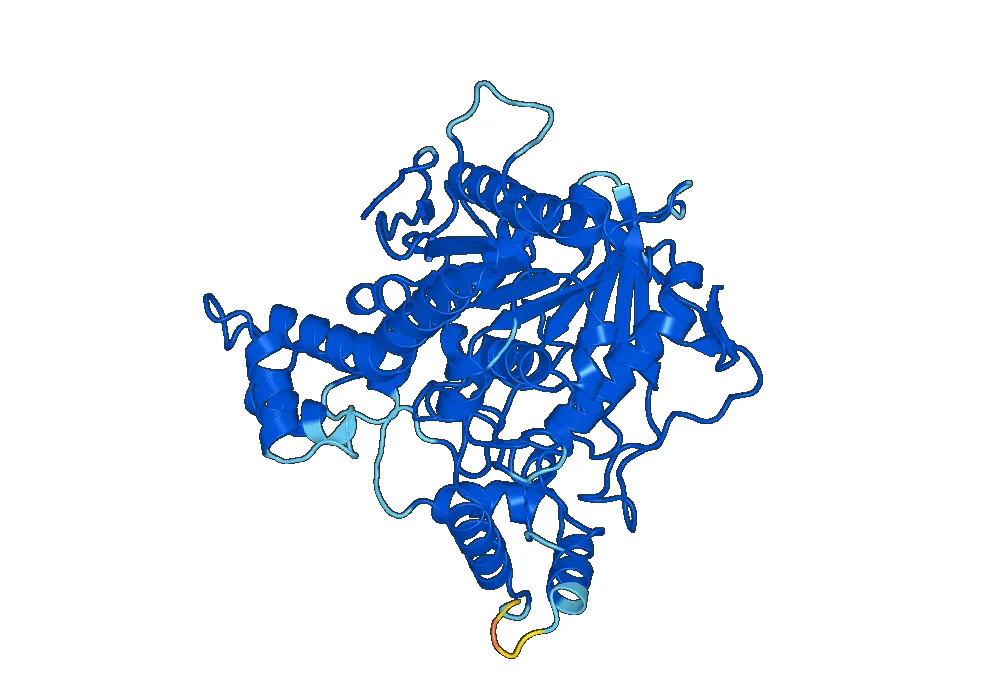
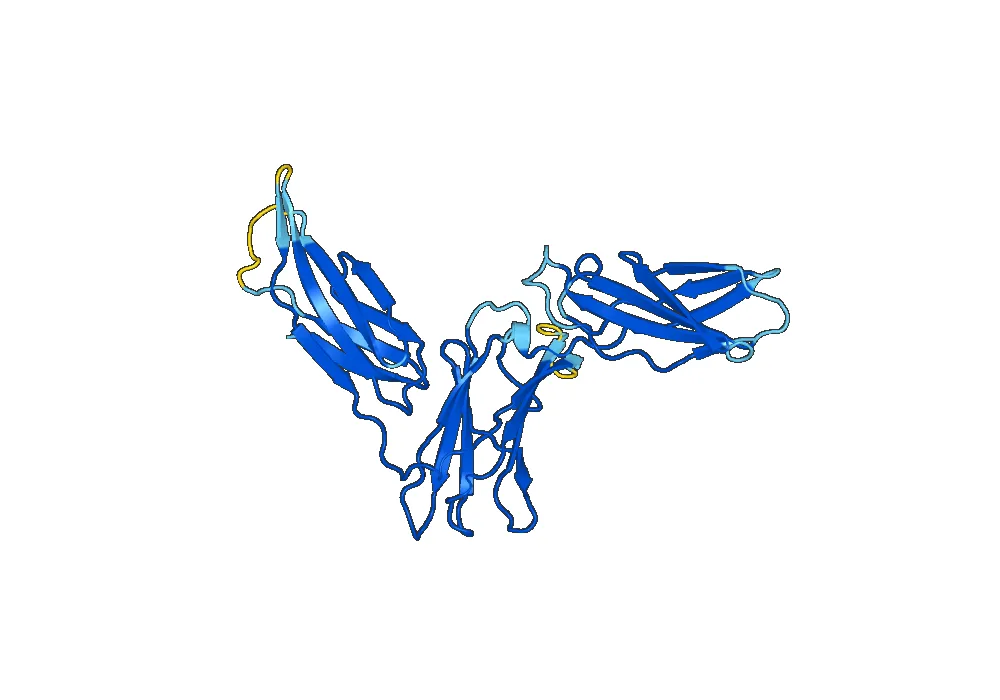
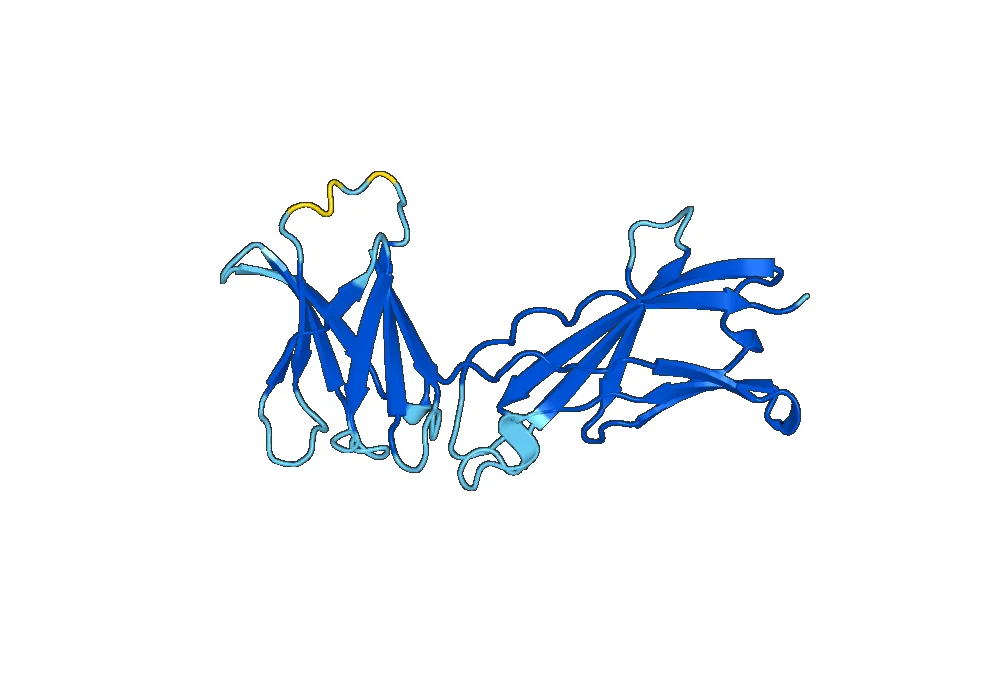
The recombinant mouse FABP4 protein is a 15 kDa protein composed of 132 amino acids. It has a characteristic beta-barrel structure with ten anti-parallel beta-strands forming a central cavity for ligand binding. FABP4 has a high affinity for long-chain fatty acids and can bind to multiple fatty acids simultaneously. The protein also contains a conserved fatty acid binding pocket, which is critical for its function in fatty acid transport and metabolism.
Activity of Recombinant Mouse FABP4 Protein
The primary function of recombinant mouse FABP4 protein is to facilitate the transport of fatty acids from the cytoplasm to various cellular compartments. It binds to fatty acids and other hydrophobic ligands and transports them to the nucleus, mitochondria, and peroxisomes for energy production and storage. FABP4 also plays a crucial role in regulating lipid metabolism by interacting with various enzymes and signaling pathways.
Moreover, recombinant mouse FABP4 protein has been found to have anti-inflammatory properties. It can regulate the production of inflammatory cytokines and modulate the activity of immune cells, making it a potential therapeutic target for inflammatory diseases.
Application of Recombinant Mouse FABP4 Protein
Recombinant mouse FABP4 protein has a wide range of applications in both basic research and clinical settings. Its role in fatty acid metabolism and inflammation makes it a valuable tool for studying various diseases, including obesity, diabetes, and cardiovascular diseases.
One of the significant applications of recombinant mouse FABP4 protein is in the field of obesity. It has been shown to play a crucial role in the development of obesity-related metabolic disorders. By studying the function of FABP4, researchers can gain a better understanding of the mechanisms underlying obesity and potentially develop new treatments for the condition.
In addition, recombinant mouse FABP4 protein has been identified as a potential biomarker for various diseases. Its expression levels have been found to be altered in conditions such as diabetes, atherosclerosis, and cancer. Measuring FABP4 levels in blood or tissue samples can provide valuable diagnostic and prognostic information for these diseases.
Furthermore, recombinant mouse FABP4 protein has shown promise as a therapeutic target for various diseases. Studies have demonstrated that inhibiting FABP4 activity can improve insulin sensitivity, reduce inflammation, and prevent atherosclerosis. These findings suggest that targeting FABP4 could be a potential strategy for treating obesity, diabetes, and cardiovascular diseases.
Conclusion
Recombinant Mouse FABP4 Protein is a small cytoplasmic protein that plays a critical role in lipid metabolism and inflammation. Its structure and function make it a valuable tool for studying various diseases and developing potential treatments. With ongoing research and advancements in recombinant protein technology, the potential applications of FABP4 are continuously expanding, making it an exciting area of study in the scientific community.
Keywords: recombinant protein, antigen, FABP4, fatty acid binding protein, lipid metabolism, obesity, diabetes, cardiovascular diseases, inflammation


There are no reviews yet.