Introduction to Recombinant Mouse CD319/SLAMF7 Protein
Recombinant Mouse CD319/SLAMF7 Protein, also known as signaling lymphocytic activation molecule family member 7 (SLAMF7), is a type I transmembrane protein that belongs to the SLAM family of cell surface receptors. This protein is encoded by the SLAMF7 gene and is primarily expressed on the surface of immune cells, such as natural killer (NK) cells, plasma cells, and activated T cells. It plays a crucial role in the regulation of immune responses and has been found to be involved in various diseases, making it a valuable target for research and therapeutic applications.
Structure of Recombinant Mouse CD319/SLAMF7 Protein
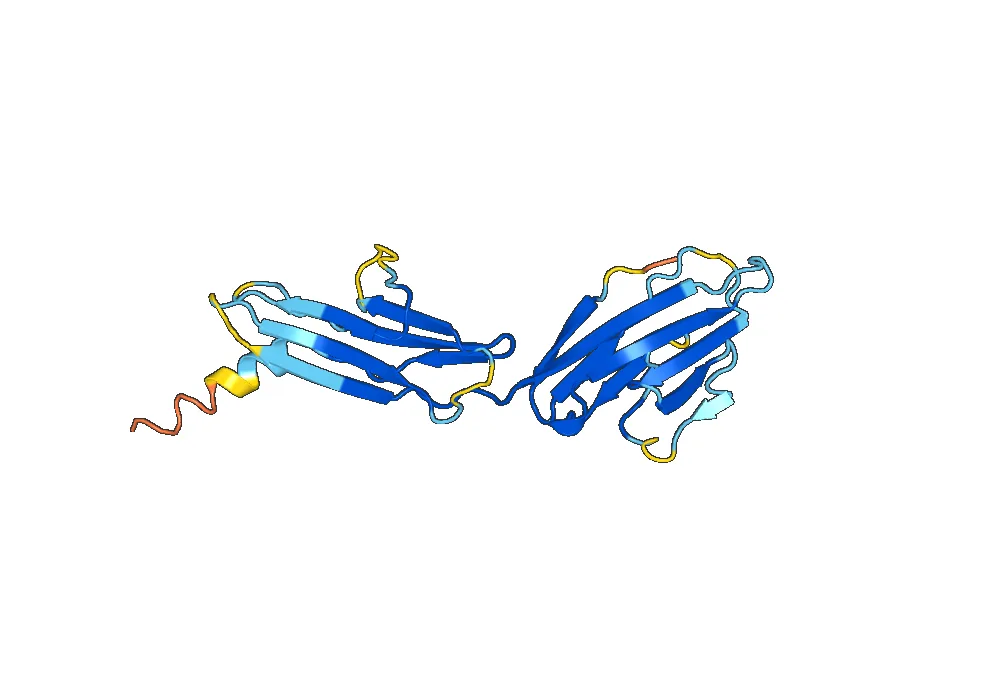
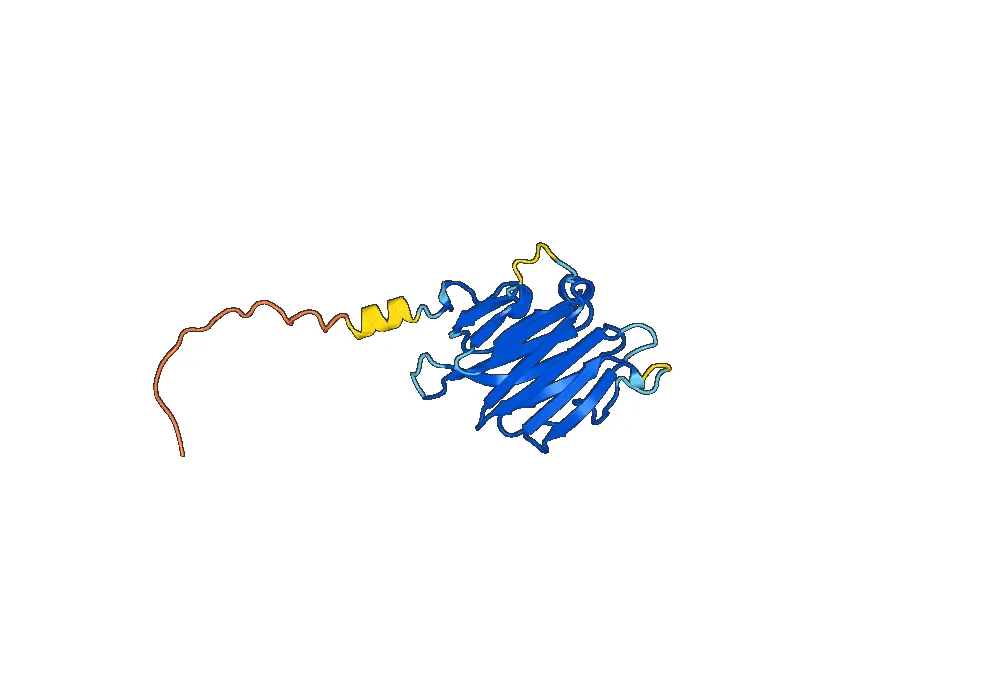
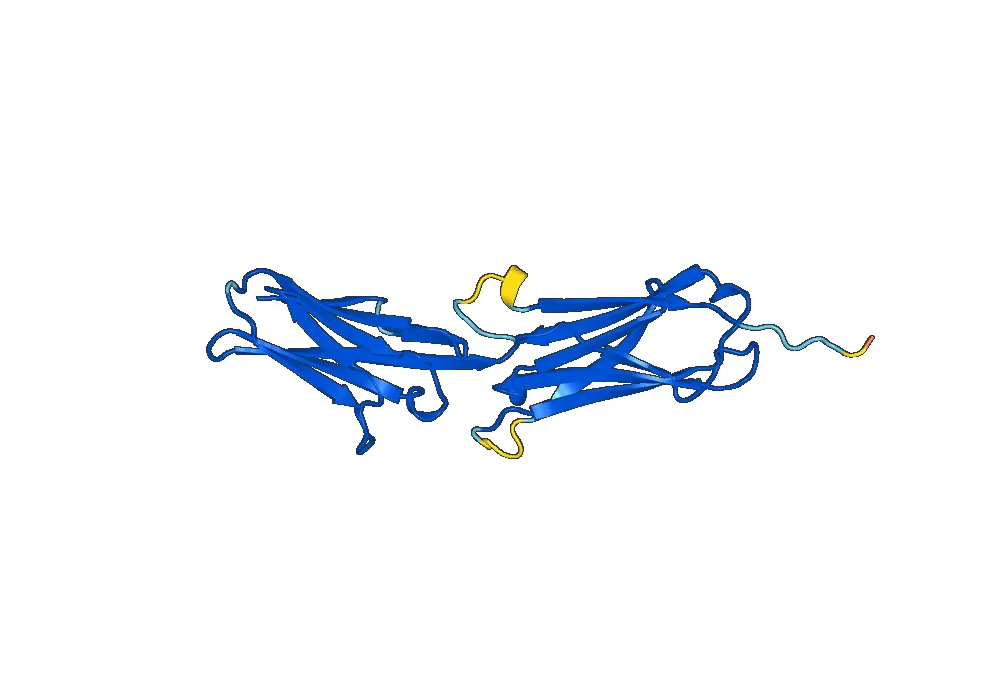
The recombinant form of mouse CD319/SLAMF7 protein is a 327 amino acid residue protein with a predicted molecular mass of approximately 36 kDa. It contains a single extracellular domain, a transmembrane region, and a cytoplasmic tail. The extracellular domain of CD319/SLAMF7 protein consists of a single immunoglobulin (Ig)-like domain, which is responsible for its interactions with other molecules. The cytoplasmic tail contains several tyrosine-based signaling motifs, which are involved in the activation of downstream signaling pathways upon binding to its ligand.
Activity of Recombinant Mouse CD319/SLAMF7 Protein
CD319/SLAMF7 protein is a self-ligand, meaning it can bind to itself on the surface of immune cells. This interaction leads to the formation of homotypic clusters, which results in the activation of downstream signaling pathways. CD319/SLAMF7 protein has also been shown to interact with other molecules, such as CD2, CD48, and CD84, on the surface of immune cells, leading to the modulation of immune responses. Additionally, CD319/SLAMF7 protein has been found to play a role in the regulation of cell adhesion and migration, as well as in the differentiation and survival of immune cells.
Application of Recombinant Mouse CD319/SLAMF7 Protein
Recombinant Mouse CD319/SLAMF7 Protein has a wide range of applications in both research and therapeutic settings. In research, it is commonly used as a tool to study the role of CD319/SLAMF7 protein in immune responses and its interactions with other molecules. It can also be used to investigate the mechanisms of action of potential therapeutic agents targeting CD319/SLAMF7 protein.
In therapeutic applications, CD319/SLAMF7 protein has shown promising results in the treatment of multiple myeloma, a type of cancer that affects plasma cells. CD319/SLAMF7 protein is highly expressed on the surface of myeloma cells, making it a potential target for immunotherapy. In fact, an antibody-based therapy targeting CD319/SLAMF7 protein, called elotuzumab, has been approved by the FDA for the treatment of multiple myeloma. This therapy works by binding to CD319/SLAMF7 protein on myeloma cells and activating the body’s immune system to attack and kill these cancer cells.
Furthermore, CD319/SLAMF7 protein has also been implicated in other diseases, such as autoimmune disorders and infectious diseases. Therefore, it is being studied as a potential target for the development of novel therapies for these conditions.
Conclusion
Recombinant Mouse CD319/SLAMF7 Protein is a key player in the regulation of immune responses and has a diverse range of functions in the body. Its structure, activity, and potential applications make it a valuable tool for research and a promising target for therapeutic interventions. As further studies are conducted, the full potential of CD319/SLAMF7 protein in the treatment of diseases may be



There are no reviews yet.