Introduction to Recombinant Mouse RAET1E Protein
Recombinant Mouse RAET1E Protein, also known as Retinoic acid early transcript 1E, is a type of recombinant protein that plays a crucial role in the immune system. It is a member of the RAET1 family, which is a group of proteins that are involved in immune surveillance and response. RAET1E is a cell surface antigen that is primarily expressed in epithelial cells, but can also be found in other cell types such as fibroblasts and endothelial cells. In this article, we will explore the structure, activity, and applications of Recombinant Mouse RAET1E Protein.
Structure of Recombinant Mouse RAET1E Protein
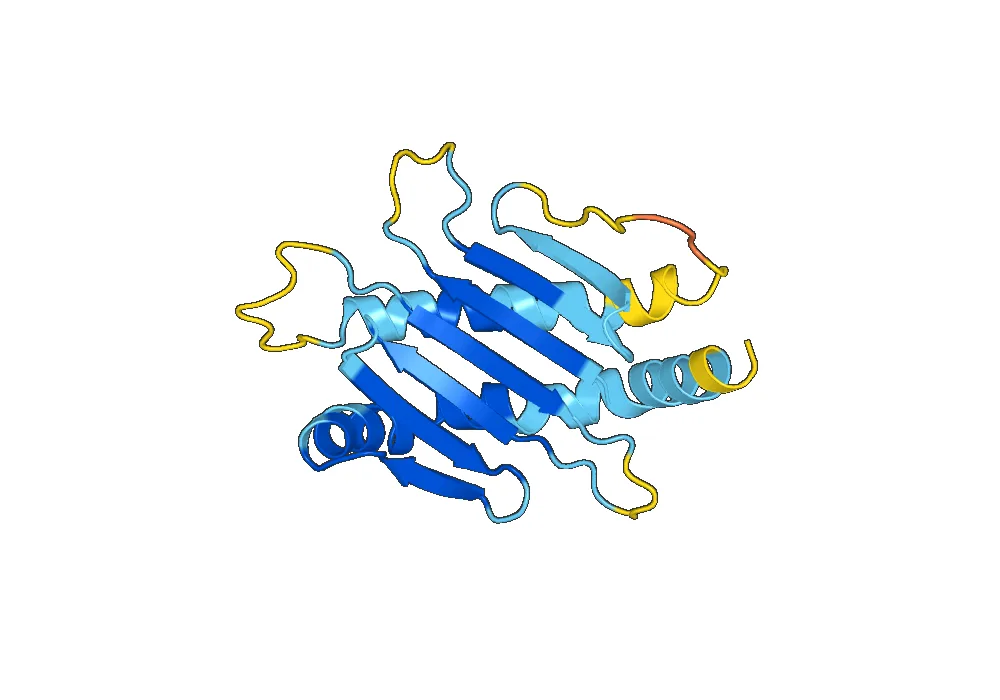
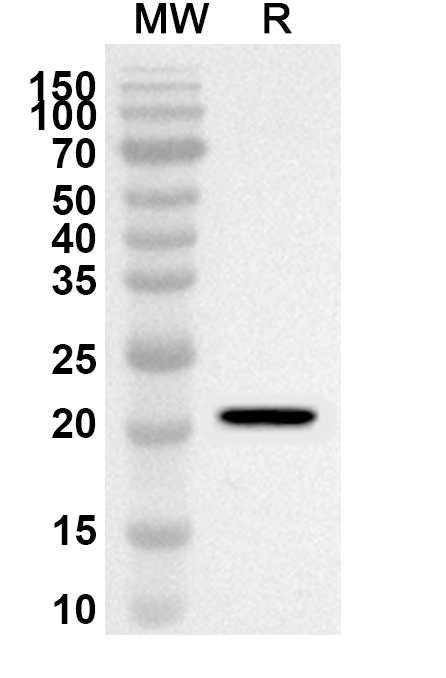
Recombinant Mouse RAET1E Protein is a glycoprotein with a molecular weight of approximately 40 kDa. It is composed of 264 amino acids and has a single transmembrane domain. The extracellular region of RAET1E contains two immunoglobulin-like domains, which are responsible for its interaction with other proteins. The cytoplasmic tail of RAET1E contains a conserved sequence that is important for its intracellular signaling.
Activity of Recombinant Mouse RAET1E Protein
The primary function of Recombinant Mouse RAET1E Protein is to act as a ligand for NKG2D, a receptor found on natural killer (NK) cells, CD8+ T cells, and γδ T cells. When RAET1E binds to NKG2D, it triggers an immune response by activating these immune cells. This activation leads to the release of cytokines and cytotoxic molecules, which can kill infected or abnormal cells.
RAET1E is also involved in the regulation of immune responses. It has been shown to inhibit the maturation and function of dendritic cells, which are important for initiating immune responses. This suggests that RAET1E may play a role in preventing excessive immune activation and maintaining immune homeostasis.
Applications of Recombinant Mouse RAET1E Protein
Recombinant Mouse RAET1E Protein has several potential applications in both research and clinical settings. One of its main uses is as a tool for studying the immune system. By binding to NKG2D, RAET1E can activate immune cells and induce an immune response. This can be useful for studying the function of different immune cells and their interactions.
In addition, RAET1E has been implicated in various diseases, including cancer and autoimmune disorders. Studies have shown that RAET1E expression is upregulated in certain types of cancer, and its interaction with NKG2D can promote tumor growth and metastasis. Therefore, Recombinant Mouse RAET1E Protein can be used to investigate the role of RAET1E in cancer development and progression.
Furthermore, RAET1E has been found to be involved in autoimmune diseases such as psoriasis and rheumatoid arthritis. As RAET1E can inhibit dendritic cell function, it may play a role in the development of these diseases by suppressing immune responses. Recombinant Mouse RAET1E Protein can be used to further understand the mechanisms of these diseases and potentially develop new treatments.
Conclusion
In summary, Recombinant Mouse RAET1E Protein is a glycoprotein that plays an important role in the immune system. Its structure, activity, and applications have been extensively studied, and it has been shown to be involved in immune regulation and various diseases. As research on RAET1E continues, it is likely that its significance in the immune system will become even more apparent, making it a valuable protein for further study and potential therapeutic use.
There are no reviews yet.