Introduction
Recombinant Mouse CD248 Protein, also known as Endosialin or Tumor Endothelial Marker 1 (TEM1), is a transmembrane glycoprotein that belongs to the C-type lectin family. It is encoded by the CD248 gene and is expressed on the surface of activated vascular endothelial cells and fibroblasts. This protein plays a critical role in angiogenesis, tumor growth, and fibrosis.
Structure
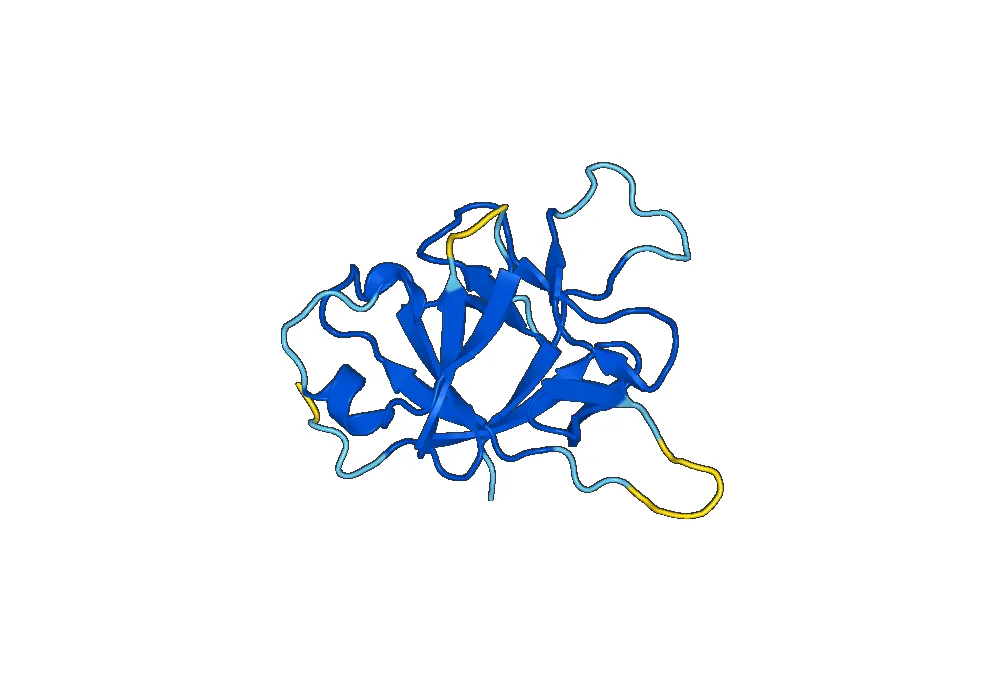
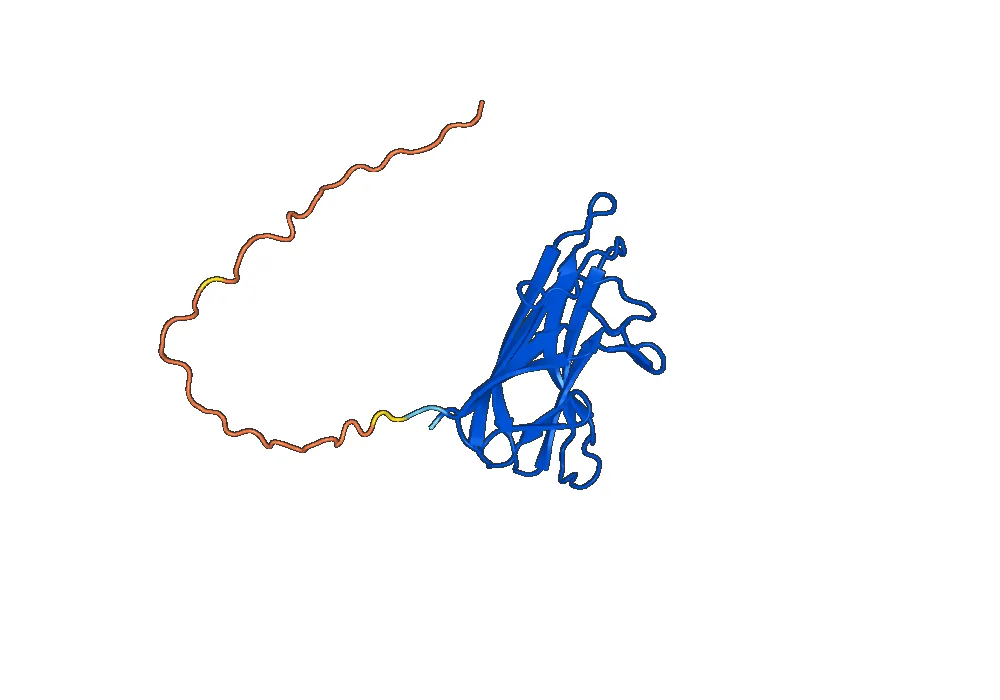
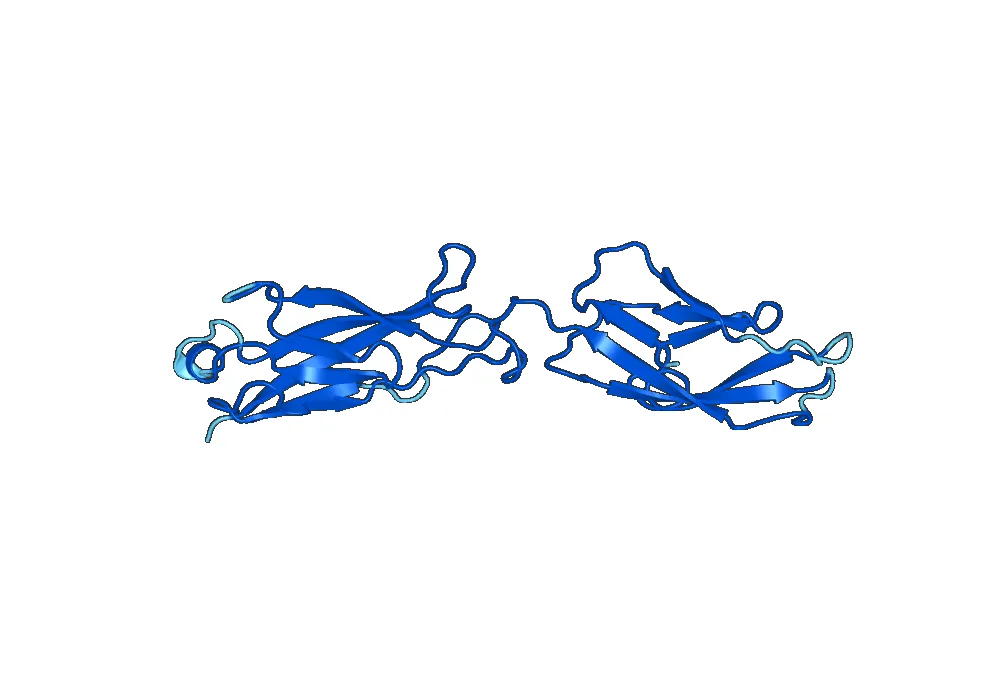
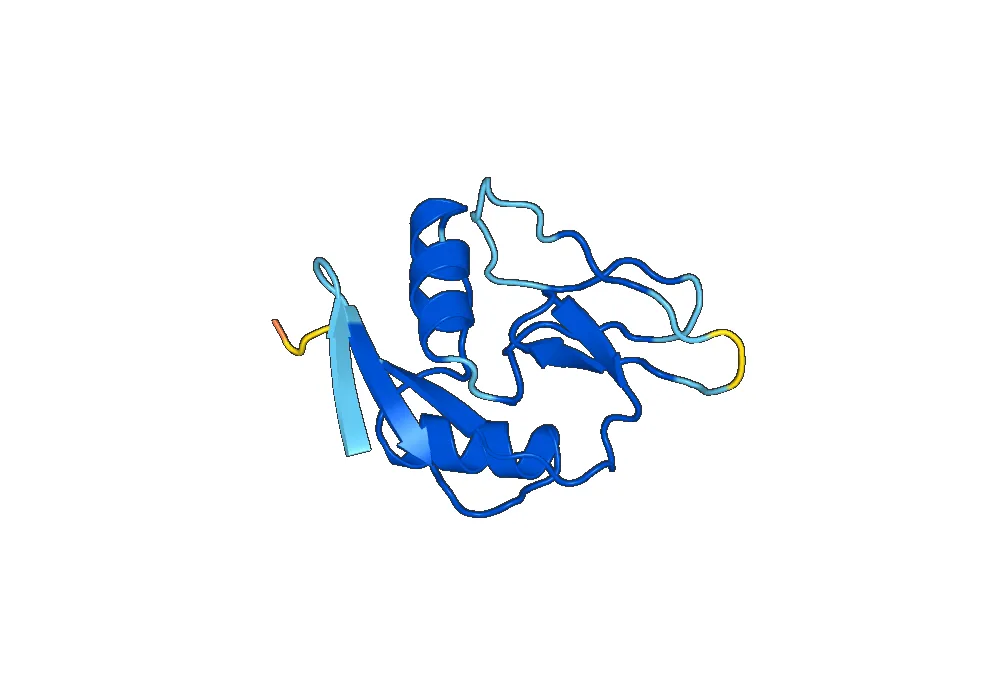
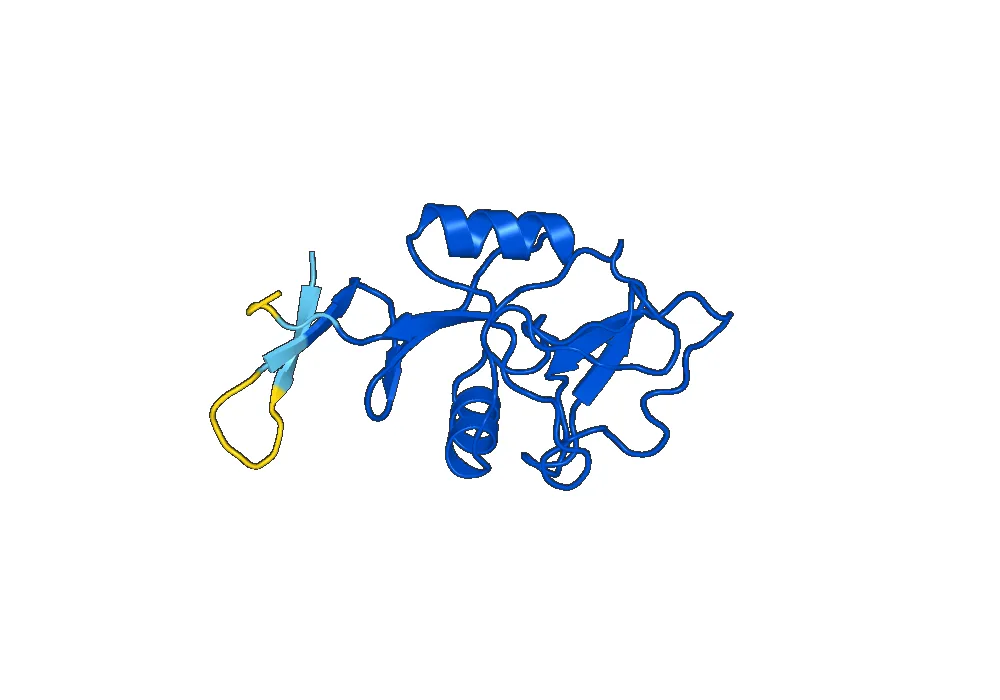
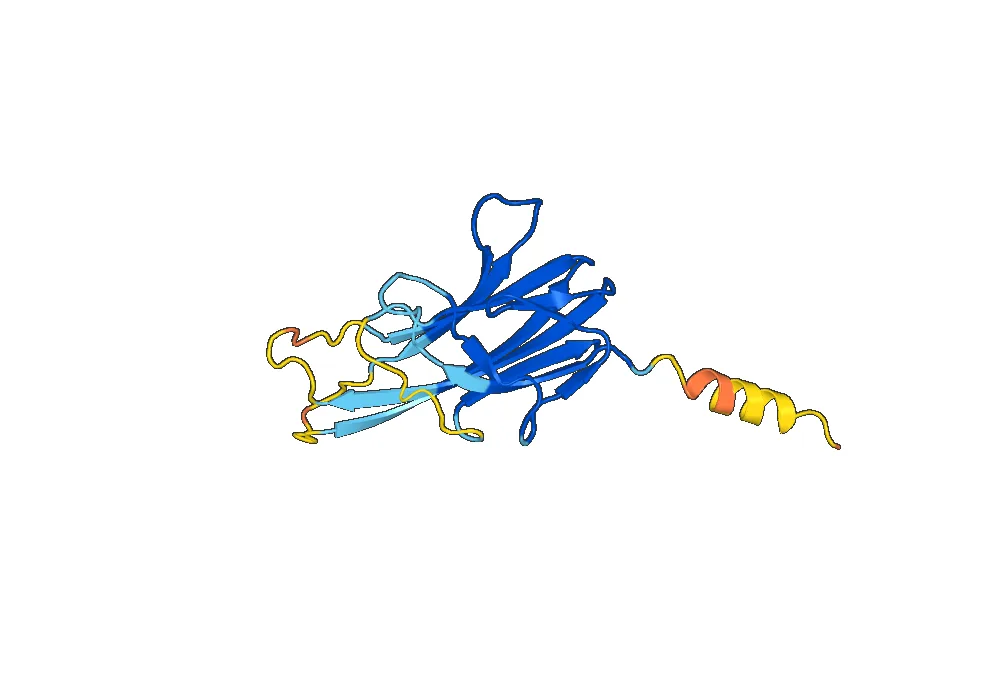
The recombinant mouse CD248 protein is composed of 757 amino acids with a molecular weight of approximately 85 kDa. It has a single transmembrane domain and a short cytoplasmic tail. The extracellular region contains a C-type lectin-like domain and a mucin-like domain, which is heavily glycosylated. The structure of this protein is similar to other members of the C-type lectin family, such as selectins and CD93.
Activity
Recombinant mouse CD248 protein is involved in various biological processes, including angiogenesis, wound healing, and tissue remodeling. It acts as a regulator of endothelial cell proliferation and migration, as well as a mediator of fibroblast activation and collagen deposition. This protein also interacts with other cell surface receptors, such as integrins and growth factor receptors, to modulate signaling pathways involved in cell adhesion and migration.
One of the key functions of CD248 is its role in angiogenesis, the formation of new blood vessels from pre-existing ones. It is highly expressed on the surface of activated endothelial cells and promotes the migration and proliferation of these cells. In tumor angiogenesis, CD248 is upregulated and contributes to the growth and metastasis of cancer cells. Inhibition of CD248 has been shown to suppress tumor growth and reduce the formation of new blood vessels.
CD248 also plays a critical role in fibrosis, the excessive accumulation of extracellular matrix in tissues. It is expressed on activated fibroblasts and promotes their proliferation and differentiation into myofibroblasts, which are responsible for producing collagen and other components of the extracellular matrix. In various fibrotic diseases, such as pulmonary fibrosis and liver fibrosis, CD248 is upregulated and contributes to the progression of the disease.
Application
The recombinant mouse CD248 protein has been widely used in research studies to better understand its role in various biological processes. It is also being investigated as a potential therapeutic target for cancer and fibrotic diseases. Recombinant CD248 protein can be used in in vitro assays to study its interactions with other cell surface receptors and its effects on cell proliferation and migration. It can also be used in animal models to evaluate its potential as a therapeutic target.
Furthermore, recombinant CD248 protein can be used to develop diagnostic tools for cancer and fibrotic diseases. It has been shown to be highly expressed on the surface of activated endothelial cells and fibroblasts in these diseases, making it a potential biomarker for early detection and monitoring of disease progression.
In conclusion, recombinant mouse CD248 protein is a key player in angiogenesis, tumor growth, and fibrosis. Its structure, activity, and potential applications make it a promising target for further research and development in the field of cancer and fibrotic diseases.


There are no reviews yet.