Introduction
Recombinant Mouse CD147/BSG Protein, also known as Basigin or EMMPRIN, is a transmembrane glycoprotein that plays a crucial role in various physiological and pathological processes. It is encoded by the BSG gene and is expressed in a wide range of tissues, including the brain, heart, liver, and immune cells. In this article, we will discuss the structure, activity, and applications of Recombinant Mouse CD147/BSG Protein.
Structure of Recombinant Mouse CD147/BSG Protein
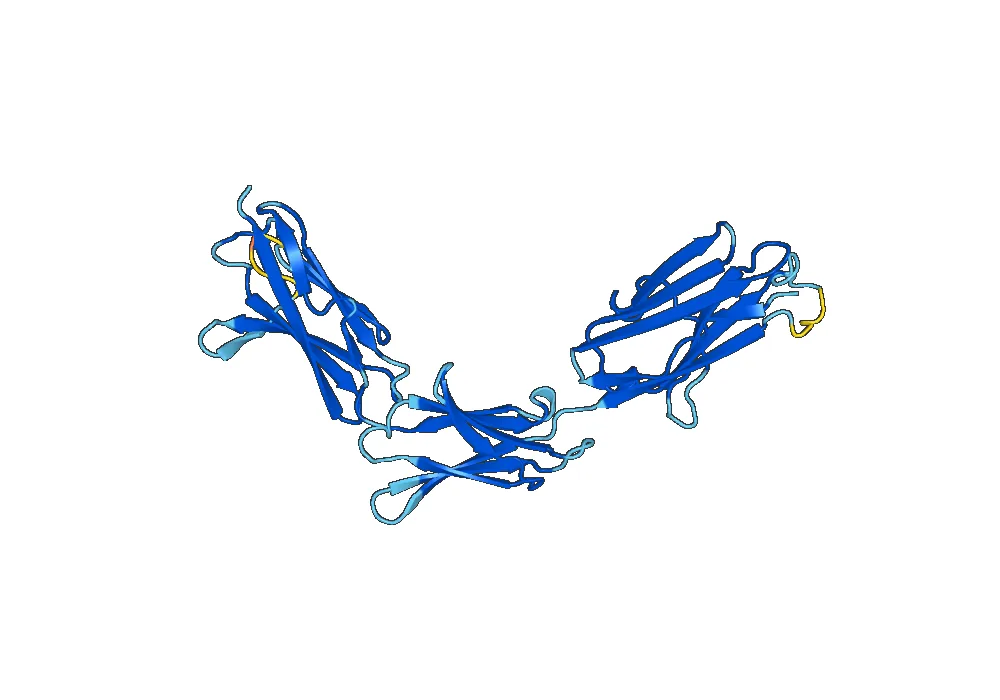
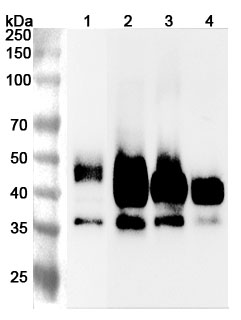
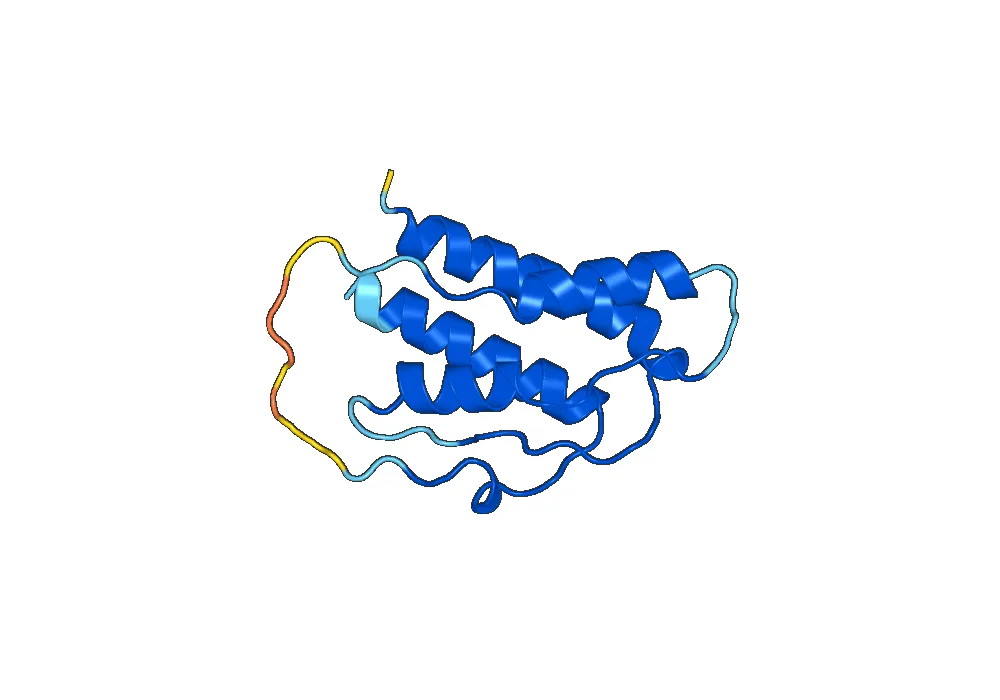
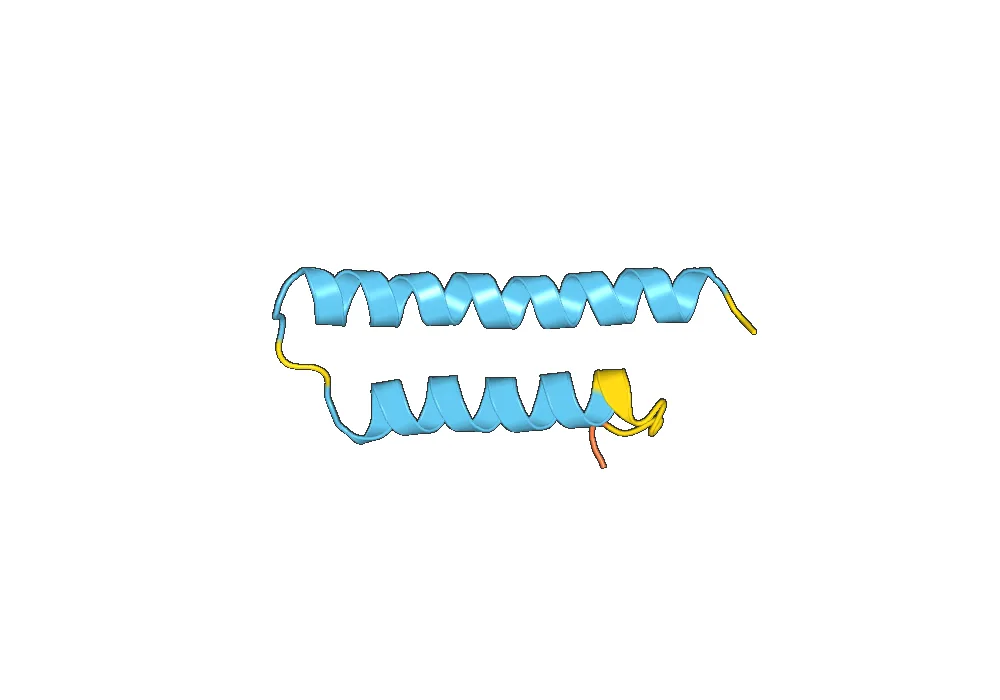
Recombinant Mouse CD147/BSG Protein is a type I transmembrane protein with a molecular weight of approximately 40 kDa. It consists of a large extracellular domain, a transmembrane domain, and a short cytoplasmic tail. The extracellular domain contains two immunoglobulin-like domains, which are responsible for the protein’s interaction with other molecules. The transmembrane domain anchors the protein to the cell membrane, while the cytoplasmic tail is involved in signaling and protein-protein interactions.
Activity of Recombinant Mouse CD147/BSG Protein
Recombinant Mouse CD147/BSG Protein has multiple functions and is involved in various physiological and pathological processes. It acts as a receptor for the extracellular matrix metalloproteinase inducer (EMMPRIN), which plays a crucial role in tumor invasion and metastasis. The binding of EMMPRIN to CD147 stimulates the production of matrix metalloproteinases (MMPs), which are enzymes that degrade the extracellular matrix and promote tumor cell migration.
Furthermore, Recombinant Mouse CD147/BSG Protein is also involved in immune regulation. It is expressed on the surface of T cells and interacts with CD98, a protein that is essential for T cell activation and proliferation. CD147 also plays a role in the regulation of the immune response by promoting the production of pro-inflammatory cytokines and chemokines.
In addition to its role in tumor progression and immune regulation, Recombinant Mouse CD147/BSG Protein is also involved in angiogenesis, the process of forming new blood vessels. It interacts with vascular endothelial growth factor (VEGF) and promotes the migration and proliferation of endothelial cells, which are essential for the growth of new blood vessels.
Applications of Recombinant Mouse CD147/BSG Protein
Recombinant Mouse CD147/BSG Protein has a wide range of applications in both research and clinical settings. Its involvement in tumor progression and immune regulation makes it a potential target for cancer therapy. In fact, several studies have shown that targeting CD147 can inhibit tumor growth and metastasis in various cancer types.
Furthermore, Recombinant Mouse CD147/BSG Protein is also used in research as a tool to study various physiological and pathological processes. It is commonly used in cell culture experiments to investigate its role in tumor invasion, immune regulation, and angiogenesis. In addition, CD147 is also used as a biomarker for certain diseases, including cancer and inflammatory disorders.
Moreover, Recombinant Mouse CD147/BSG Protein has potential applications in drug delivery. As it is highly expressed on the surface of tumor cells, it can be targeted for drug delivery to specifically target cancer cells while sparing healthy cells. This can improve the efficacy and reduce the side effects of cancer treatment.
Conclusion
In summary, Recombinant Mouse CD147/BSG Protein is a multifunctional protein that plays a crucial role in tumor progression, immune regulation, and angiogenesis. Its structure, activity, and applications make it a valuable tool for both research and clinical purposes. Further studies on the role of CD147 in various diseases may lead to the development of novel therapies and diagnostic tools.



There are no reviews yet.