Introduction
Recombinant Mouse CCL28/MEC Protein is a type of protein that is produced through genetic engineering techniques. It is also known as Mouse Epithelial Cell-Derived Neutrophil-Activating Peptide 78 (MEC/CCL28) and belongs to the chemokine family of proteins. This protein plays an important role in the immune response and has various applications in the field of immunology and biotechnology.
Structure
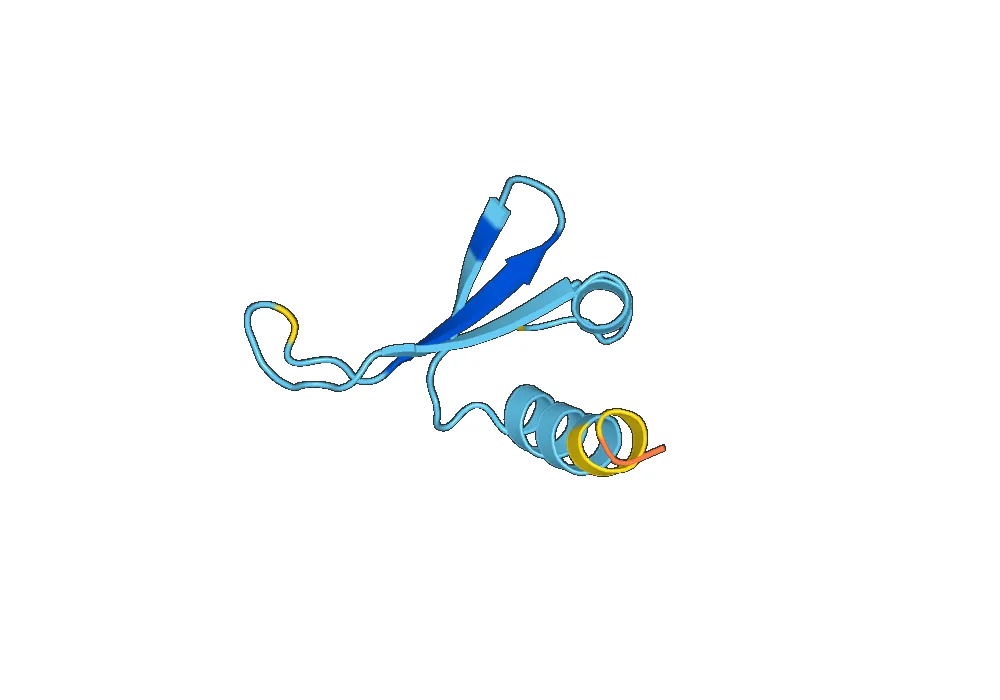
Recombinant Mouse CCL28/MEC Protein is a small protein with a molecular weight of approximately 8.5 kDa. It is composed of 74 amino acids and has a conserved cysteine motif at the N-terminus, which is characteristic of all chemokines. The protein has a three-dimensional structure that is stabilized by disulfide bonds between the cysteine residues. It also has a flexible loop region that is important for its receptor binding activity.
Activity
Recombinant Mouse CCL28/MEC Protein is a potent chemoattractant for immune cells, particularly neutrophils and lymphocytes. It binds to its specific receptor, CCR10, which is expressed on the surface of these cells. This interaction triggers a signaling cascade, leading to the migration of immune cells towards the site of infection or inflammation. Additionally, this protein also has antimicrobial activity and can directly inhibit the growth of certain bacteria and fungi.
Application
Recombinant Mouse CCL28/MEC Protein has various applications in both research and therapeutic settings. Some of the key applications are:
1. Immunology research
The role of chemokines in the immune response has been extensively studied, and Recombinant Mouse CCL28/MEC Protein is a valuable tool for studying the mechanisms involved. Its ability to attract immune cells and its antimicrobial activity make it a suitable candidate for investigating the role of chemokines in host defense against pathogens. It can also be used to study the role of CCR10 in immune cell migration and activation.
2. Inflammatory diseases
Chemokines are known to play a crucial role in the development and progression of inflammatory diseases, such as rheumatoid arthritis and inflammatory bowel disease. Recombinant Mouse CCL28/MEC Protein has been shown to be elevated in these conditions, and its use as a biomarker for disease activity has been proposed. Additionally, this protein can also be used as a therapeutic target for these diseases, as blocking its activity can potentially reduce inflammation.
3. Wound healing
The recruitment of immune cells is essential for the healing process of wounds. Recombinant Mouse CCL28/MEC Protein has been shown to promote the migration of immune cells to the site of injury, thereby aiding in the wound healing process. It has also been suggested as a potential therapeutic agent for chronic wounds, such as diabetic ulcers, where the recruitment of immune cells is impaired.
4. Vaccine development
Recombinant Mouse CCL28/MEC Protein has been investigated as an adjuvant for vaccines. Adjuvants are substances that enhance the immune response to a vaccine, and chemokines have been shown to have adjuvant properties. This protein has been shown to enhance the immune response to various vaccines, including influenza and hepatitis B, making it a promising candidate for future vaccine development.
5. Biotechnology
The production of Recombinant Mouse CCL28/MEC Protein through genetic engineering techniques has made it readily available for use in various biotechnological applications. It can be used as a standard for quantification in assays that measure chemokine activity. It can also be used in the development of new chemokine-based therapeutics, such as CCR10 antagonists for inflammatory diseases.
Conclusion
In summary, Recombinant Mouse CCL28/MEC Protein is a small protein with





There are no reviews yet.