Introduction
Recombinant Human ZC3H4 Protein, also known as Zinc Finger CCCH-Type Containing 4 Protein, is a recently discovered protein that plays a crucial role in various cellular processes. This protein is encoded by the ZC3H4 gene and belongs to the CCCH zinc finger protein family. Recombinant Human ZC3H4 Protein is produced through recombinant DNA technology and has gained significant attention in the scientific community due to its diverse structure and functions.
Structure of Recombinant Human ZC3H4 Protein
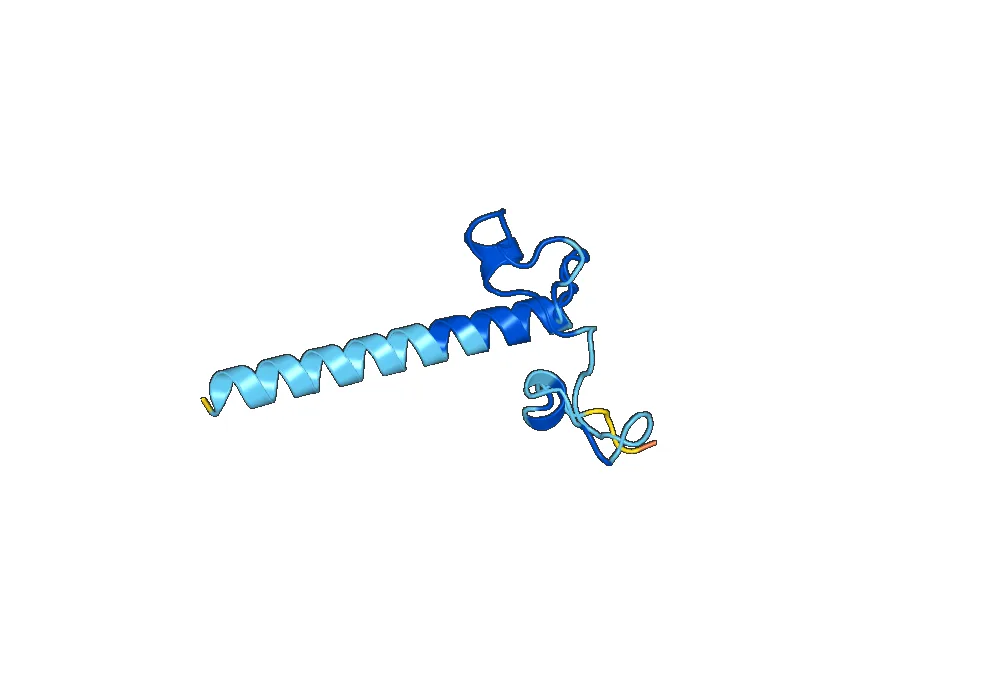
The primary structure of Recombinant Human ZC3H4 Protein consists of 263 amino acids, with a molecular weight of approximately 30 kDa. It contains three CCCH-type zinc finger domains, which are known to be essential for RNA binding and protein-protein interactions. These zinc finger domains are connected by linker regions, allowing for flexibility and dynamic interactions with other molecules. The secondary structure of Recombinant Human ZC3H4 Protein is predominantly alpha-helical, with some beta-strands present as well.
Activity of Recombinant Human ZC3H4 Protein
Recombinant Human ZC3H4 Protein has been found to have multiple activities within the cell. Its primary function is to bind to RNA molecules and regulate their stability and translation. It has been shown to interact with various RNA-binding proteins, including HuR and PARN, to modulate RNA metabolism and gene expression. Additionally, Recombinant Human ZC3H4 Protein has been found to play a role in cell proliferation and differentiation, as well as DNA damage response and repair.
Application of Recombinant Human ZC3H4 Protein
The diverse structure and activity of Recombinant Human ZC3H4 Protein make it a valuable tool in various research areas. Its ability to bind to RNA molecules makes it a crucial player in studying post-transcriptional gene regulation. It has been extensively used in studies related to RNA metabolism, including RNA stability, translation, and localization. Furthermore, Recombinant Human ZC3H4 Protein has been implicated in diseases such as cancer and neurodegenerative disorders, making it a potential therapeutic target.
Recombinant Protein Production
Recombinant Human ZC3H4 Protein is produced through recombinant DNA technology, which involves inserting the ZC3H4 gene into a suitable expression vector and introducing it into host cells, such as bacteria or mammalian cells. The recombinant protein is then purified using various techniques, such as chromatography, to obtain a highly pure and active form of the protein.
Antigen Detection
Recombinant Human ZC3H4 Protein has also been used as an antigen in various immunological studies. Antibodies against this protein have been developed and used for antigen detection and quantification in different tissues and cell types. This has allowed for a better understanding of the expression and localization of Recombinant Human ZC3H4 Protein in various physiological and pathological conditions.
Conclusion
In conclusion, Recombinant Human ZC3H4 Protein is a versatile protein with a unique structure and diverse functions. Its role in regulating RNA metabolism and gene expression makes it a valuable tool in various research areas, including post-transcriptional gene regulation and disease studies. With its potential therapeutic applications, Recombinant Human ZC3H4 Protein holds promise for future research and development in the field of biotechnology.


There are no reviews yet.