Introduction
Recombinant proteins have become essential tools in various fields of research and medicine due to their ability to mimic naturally occurring proteins. One such protein is Recombinant Human TUBA4A, which plays a crucial role in cellular organization and function. In this article, we will explore the structure, activity, and application of this protein in detail.
Structure of Recombinant Human TUBA4A Protein
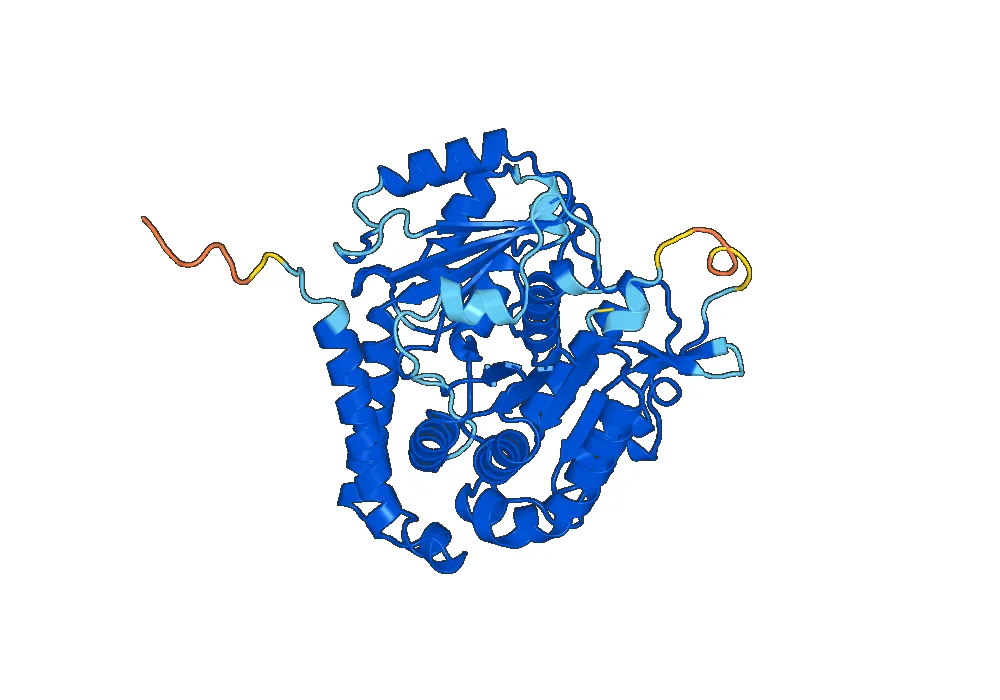
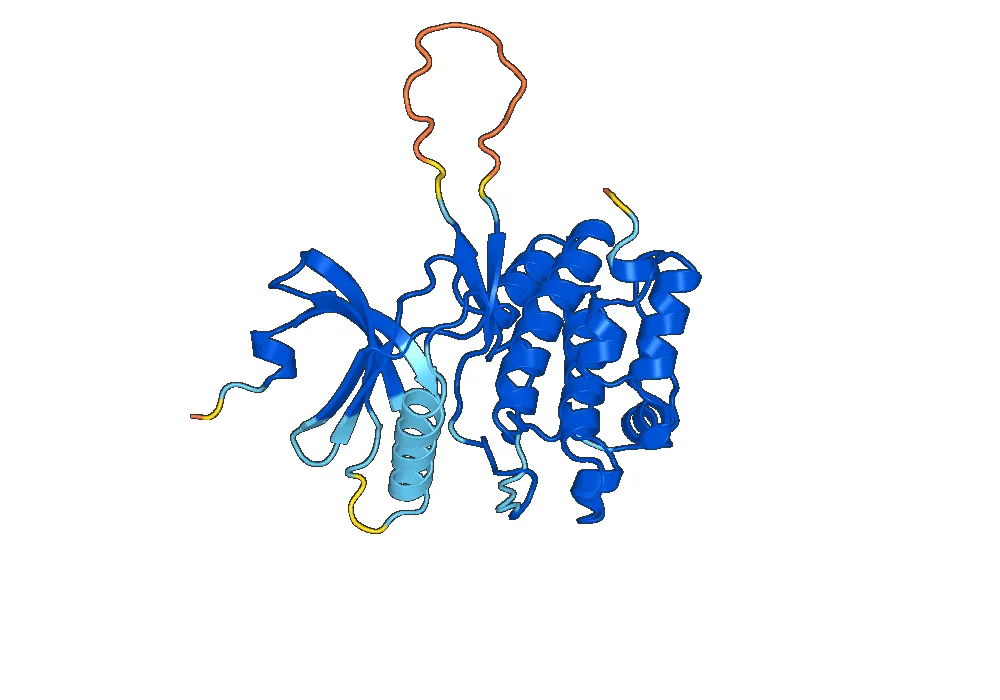
TUBA4A, also known as alpha-tubulin, is a member of the tubulin family of proteins that make up microtubules. These microtubules are essential components of the cytoskeleton, providing structural support and facilitating intracellular transport. The TUBA4A gene is located on chromosome 2 and encodes for a protein with a length of 449 amino acids.
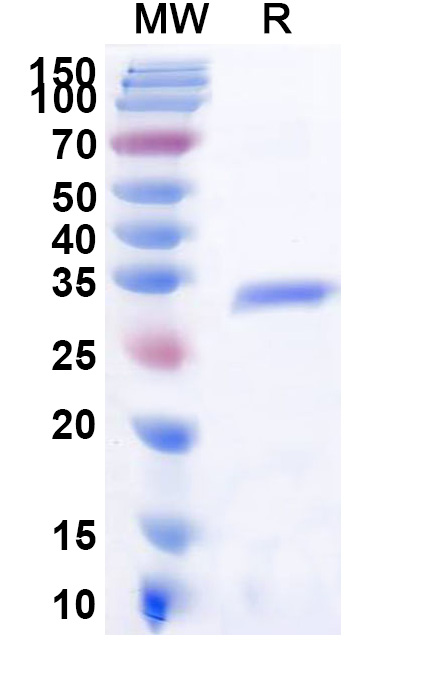
The recombinant version of TUBA4A is produced by cloning the gene into a suitable expression vector and expressing it in a host organism, typically E. coli or mammalian cells. The resulting protein is identical to the native TUBA4A protein and can be used for various applications.
Activity of Recombinant Human TUBA4A Protein
The primary function of TUBA4A is to form dimers with another tubulin protein, TUBB, to create the building blocks of microtubules. These microtubules are dynamic structures that are constantly growing and shrinking, providing the cell with the ability to move and divide. TUBA4A also plays a role in cell signaling, gene expression, and intracellular transport.
The recombinant TUBA4A protein retains all these activities, making it a valuable tool in studying the role of microtubules in various cellular processes. It can also be used to screen for potential drugs that target microtubule function, as well as in drug development for diseases such as cancer, where microtubule dysfunction is a common feature.
Application of Recombinant Human TUBA4A Protein
The applications of recombinant TUBA4A protein are vast, and it has been used in various research areas, including cell biology, neuroscience, and drug discovery. One of the most significant advantages of using recombinant proteins is their ability to be produced in large quantities, which is crucial for experiments and commercial use.
Some specific applications of recombinant TUBA4A protein include:
- Microtubule dynamics studies: Recombinant TUBA4A protein can be used to study the effects of different drugs and proteins on microtubule dynamics, providing insight into their role in cellular processes.
- Neuronal development and function: TUBA4A is highly expressed in neurons, and its recombinant version has been used to study its role in neuronal development and function.
- Drug development: Recombinant TUBA4A has been used in drug discovery for diseases such as Alzheimer’s and Parkinson’s, where microtubule dysfunction is a key feature.
- Diagnostic tool: TUBA4A has been identified as a potential biomarker for certain types of cancer, and its recombinant version can be used for diagnostic purposes.
Conclusion
Recombinant Human TUBA4A protein is a valuable tool in scientific research and has a wide range of applications. Its identical structure and activity to the native protein make it an essential resource for studying microtubule function and developing new treatments for diseases. With continued advancements in protein engineering and production, the use of recom

There are no reviews yet.