Introduction
Recombinant proteins are proteins that are produced through genetic engineering techniques, allowing for the production of large quantities of specific proteins. These proteins have various applications in research, diagnostics, and therapeutics. One such recombinant protein is the Recombinant Human SMARCD1 Protein.
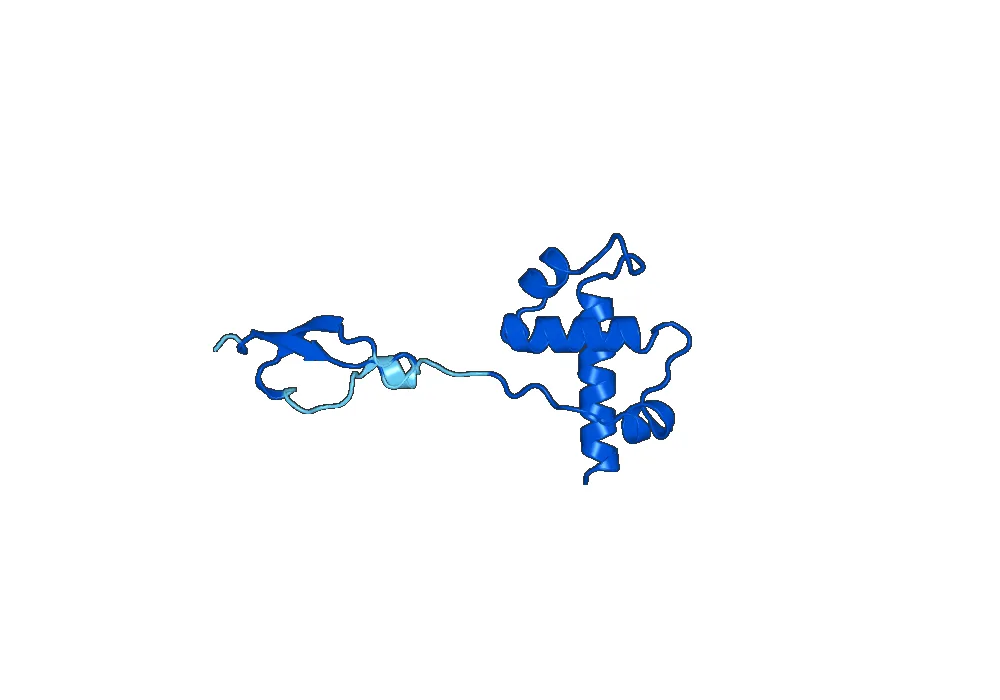
Structure of Recombinant Human SMARCD1 Protein
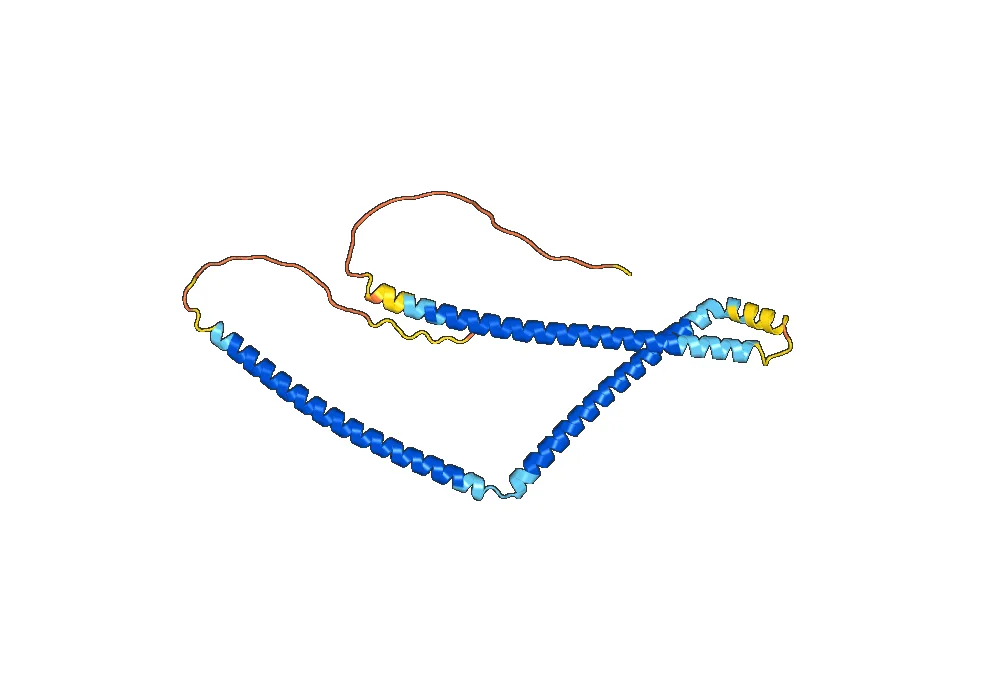
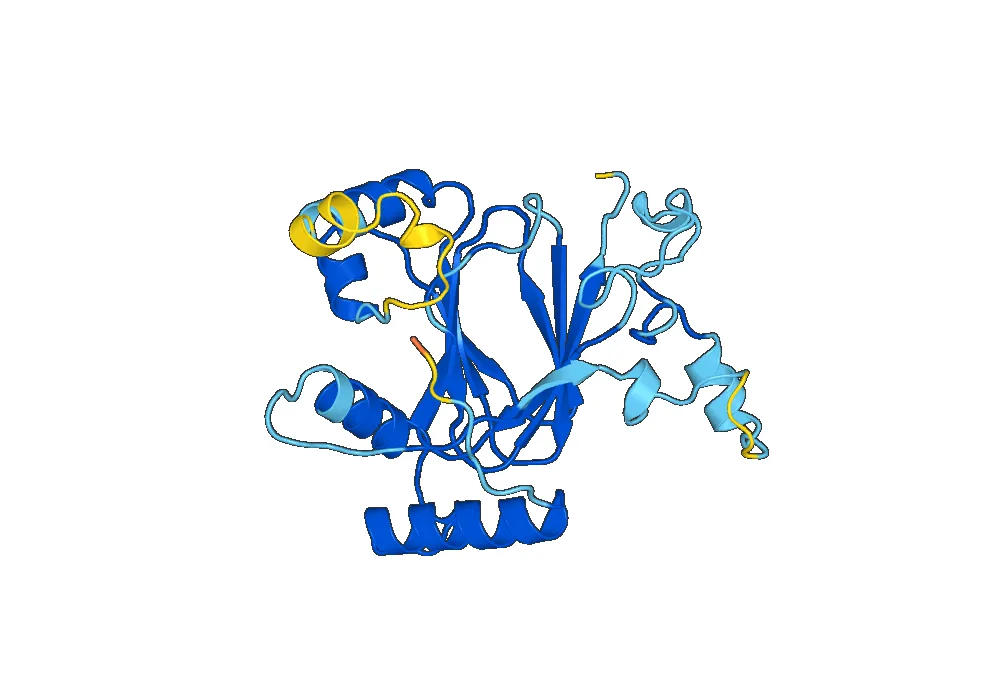
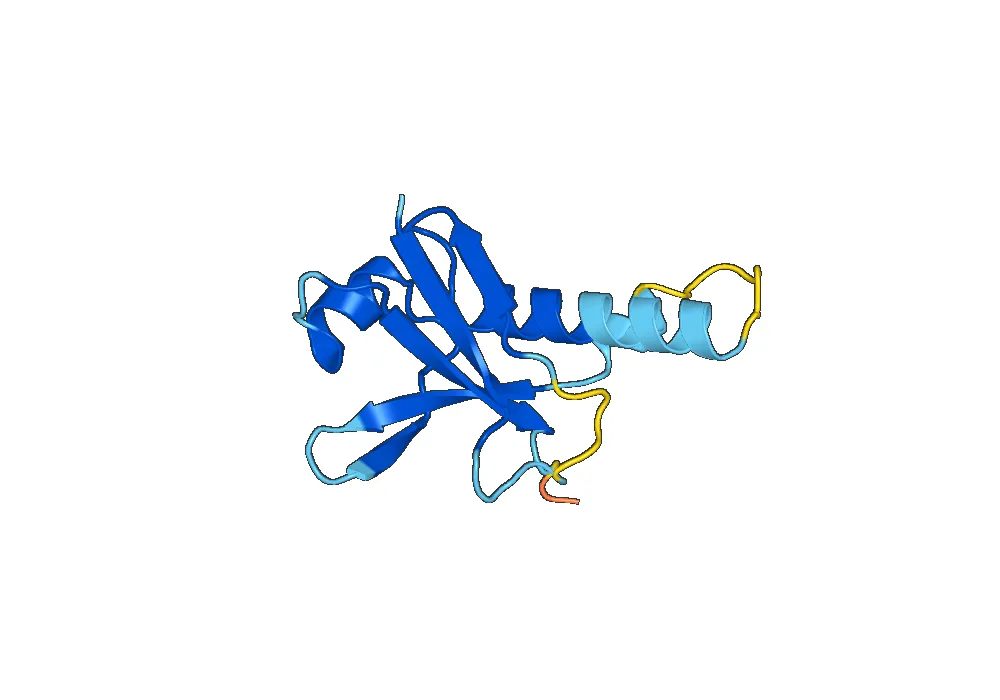
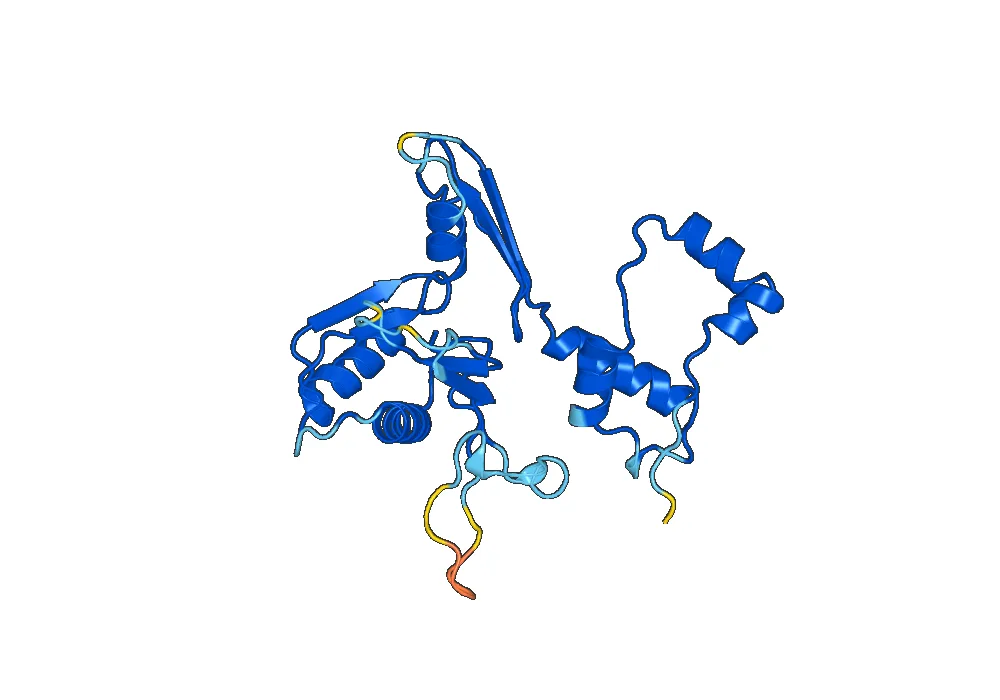
The Recombinant Human SMARCD1 Protein is a 45 kDa protein that belongs to the SWI/SNF family of proteins. It is composed of 404 amino acids and contains a highly conserved helix-turn-helix DNA-binding domain at its N-terminus. This protein also has a C-terminal domain that is responsible for its interaction with other SWI/SNF proteins.
Activity of Recombinant Human SMARCD1 Protein
The primary function of the Recombinant Human SMARCD1 Protein is to regulate gene expression by altering the chromatin structure. It does so by forming a complex with other SWI/SNF proteins and binding to specific DNA sequences, leading to changes in the chromatin structure and accessibility of DNA for transcription factors.
Additionally, the Recombinant Human SMARCD1 Protein has been found to play a role in cell cycle regulation, cell differentiation, and DNA damage repair. It has also been shown to interact with other proteins involved in various cellular processes, such as transcription, DNA repair, and apoptosis.
Application of Recombinant Human SMARCD1 Protein
The Recombinant Human SMARCD1 Protein has a wide range of applications in both research and clinical settings. Some of the key applications of this protein are:
1. Research
In research, the Recombinant Human SMARCD1 Protein is used as an antigen for the production of specific antibodies. These antibodies can then be used to study the expression and function of this protein in different cell types and tissues. Additionally, this protein can also be used in protein-protein interaction studies to identify other proteins that interact with it and understand its role in various cellular processes.
2. Diagnostics
The Recombinant Human SMARCD1 Protein has been identified as a potential biomarker for various diseases, including cancer. It has been found to be overexpressed in several types of cancer, making it a promising diagnostic marker. Additionally, the detection of antibodies against this protein in patient serum has been proposed as a potential diagnostic tool for certain autoimmune diseases.
3. Therapeutics
Due to its role in regulating gene expression, the Recombinant Human SMARCD1 Protein has potential therapeutic applications. It has been shown to play a role in drug resistance in certain cancers, making it a potential target for novel cancer therapies. Additionally, this protein has also been linked to various genetic disorders, and its manipulation could potentially lead to the development of new treatments for these conditions.
Conclusion
The Recombinant Human SMARCD1 Protein is a highly versatile protein with diverse functions and applications. Its structure and activity make it an essential component in regulating gene expression and cellular processes. With ongoing research, this protein holds promise for further understanding of its role in disease and potential therapeutic interventions.




There are no reviews yet.