Introduction to Recombinant Human SPIN1
Recombinant Human SPIN1, also known as Spindlin-1, is a protein that is encoded by the SPIN1 gene in humans. It belongs to the Spindlin family of proteins and is involved in various cellular processes such as chromatin remodeling, transcriptional regulation, and cell cycle progression. The recombinant form of this protein is produced through genetic engineering techniques and has been extensively studied for its structure, activity, and potential applications.
Structure of Recombinant Human SPIN1
The recombinant form of Human SPIN1 is a 33 kDa protein that consists of 293 amino acids. It has a conserved N-terminal domain, which contains a Tudor-like fold, and a C-terminal domain that is rich in basic amino acids. These domains are important for the protein’s function and interaction with other molecules. The recombinant protein also contains a His-tag at the C-terminus, which allows for easy purification and detection.
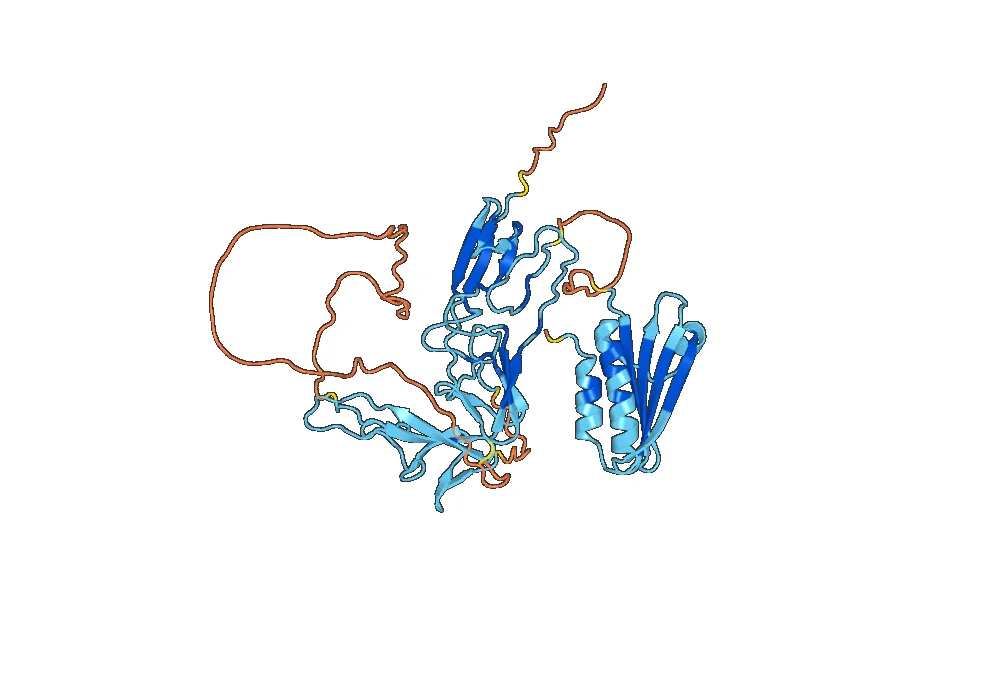
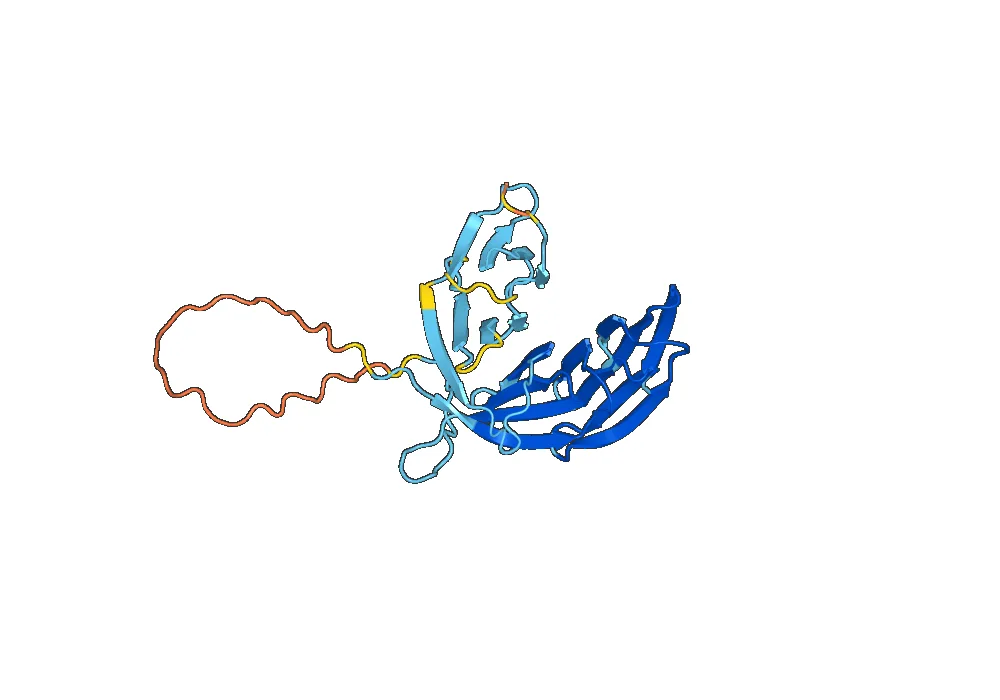
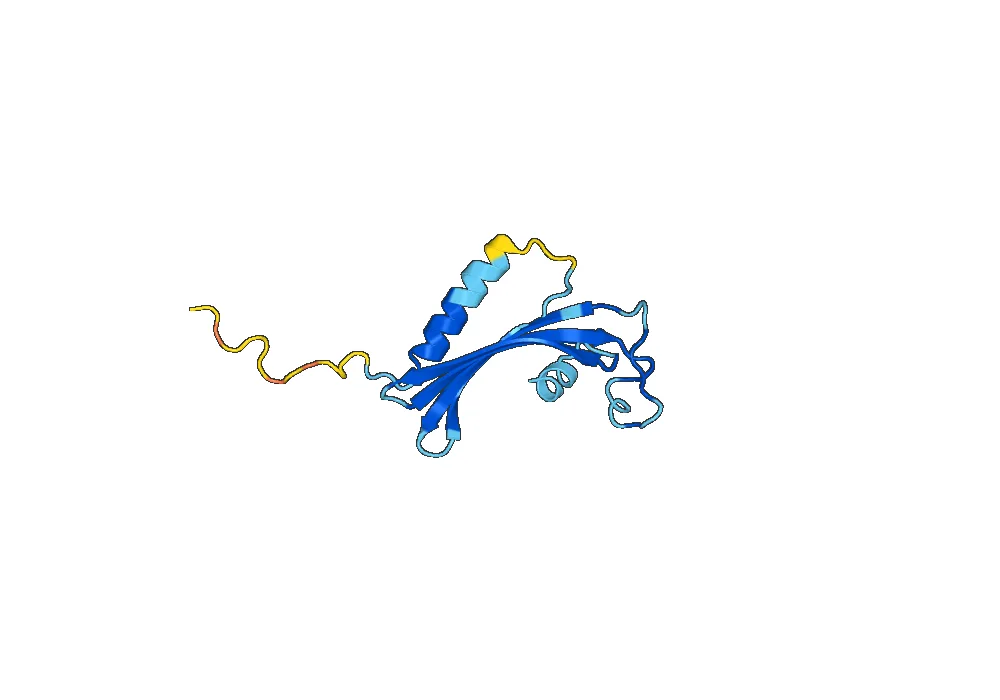
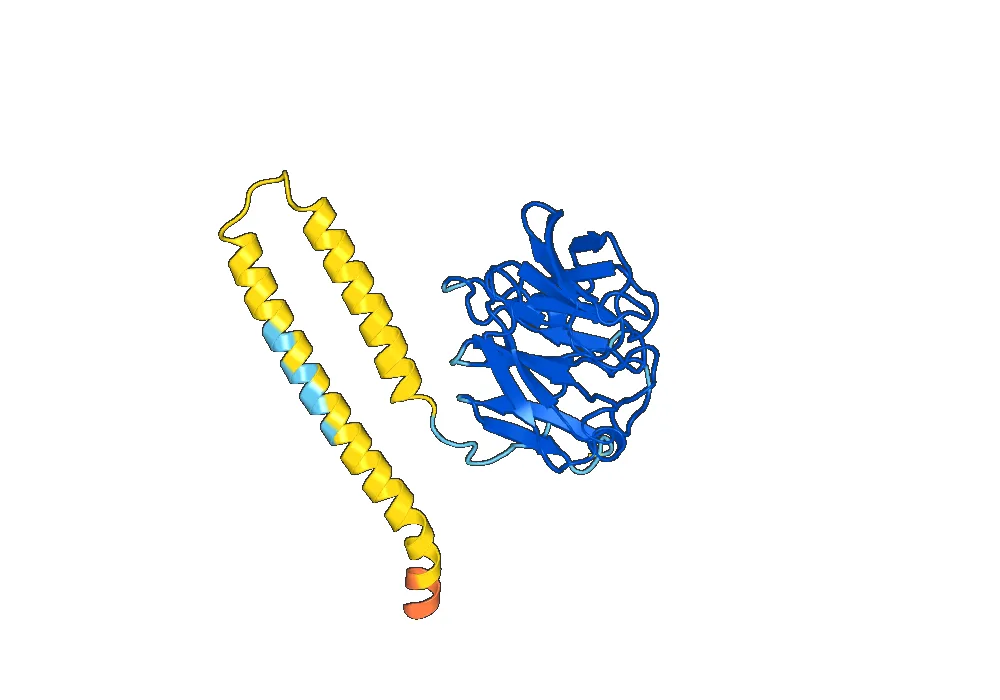
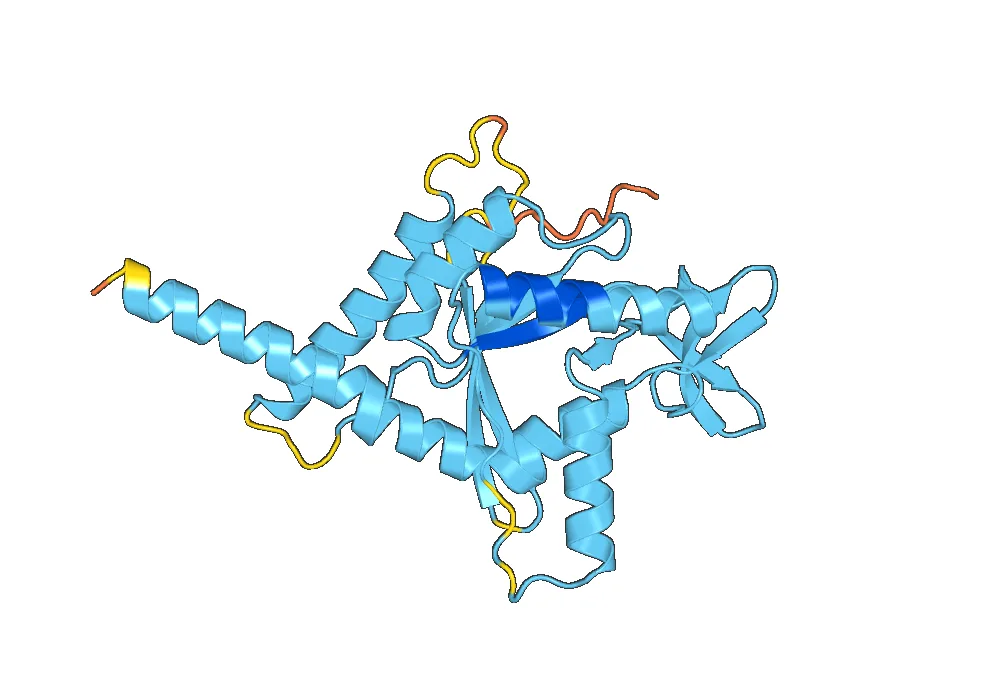
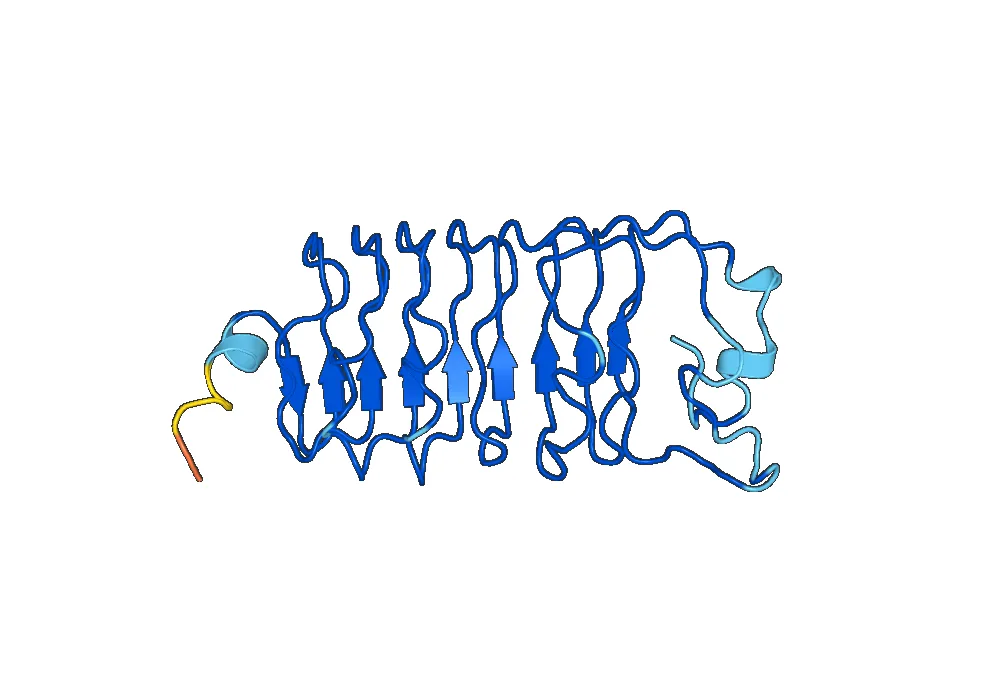
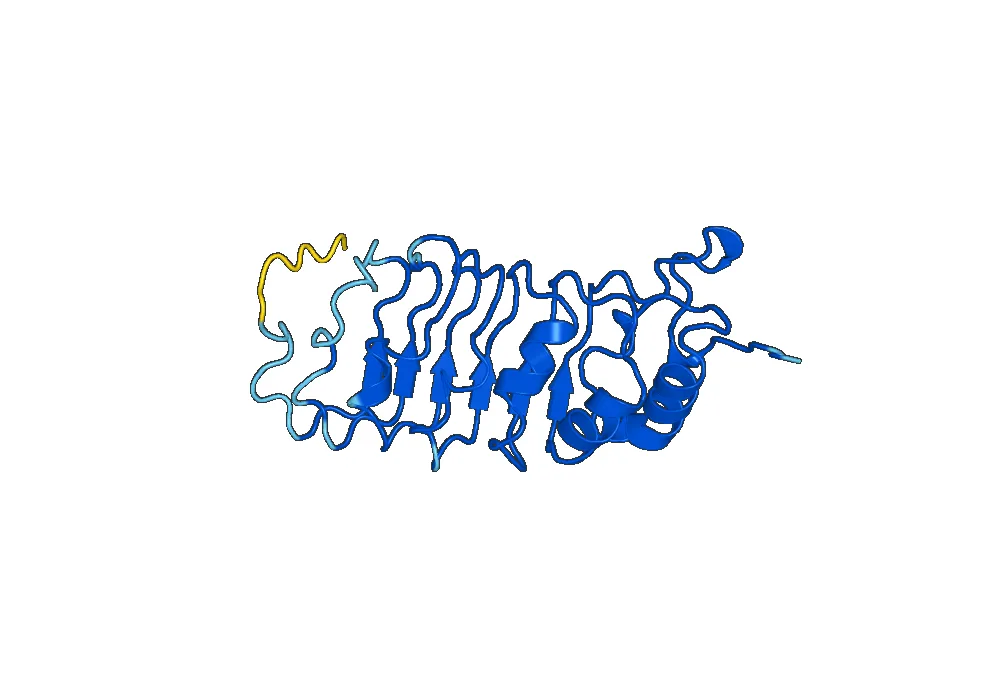
The crystal structure of recombinant Human SPIN1 has been determined, revealing a dimeric structure with each monomer consisting of the N-terminal and C-terminal domains. The dimerization of SPIN1 is important for its function and is mediated by the basic amino acid-rich C-terminal domain. The N-terminal domain of SPIN1 is responsible for its binding to histones, specifically H3K4me3, which is a marker for active transcription. This interaction is crucial for the protein’s role in chromatin remodeling and transcriptional regulation.
Activity of Recombinant Human SPIN1
Recombinant Human SPIN1 has been shown to have multiple activities in the cell, making it a versatile protein with various functions. Its main role is in chromatin remodeling, where it binds to specific histone modifications and recruits other proteins to regulate gene expression. SPIN1 has also been found to play a role in cell cycle progression by interacting with cyclin-dependent kinases and promoting cell proliferation.
Another important activity of recombinant Human SPIN1 is its involvement in DNA damage response. It has been shown to interact with DNA repair proteins and facilitate their recruitment to sites of DNA damage, thus promoting efficient repair. This activity of SPIN1 makes it a potential target for cancer therapy, as cancer cells often have defects in DNA repair mechanisms.
Applications of Recombinant Human SPIN1
The unique structure and diverse activities of recombinant Human SPIN1 make it a valuable tool in various research areas. One of its main applications is in studying chromatin remodeling and transcriptional regulation. By using recombinant SPIN1, researchers can investigate its interactions with histone modifications and other proteins involved in these processes.
Recombinant Human SPIN1 has also been used in cancer research, particularly in understanding the role of DNA damage response in tumorigenesis. Its potential as a therapeutic target in cancer treatment is also being explored. Additionally, recombinant SPIN1 has been studied in the context of viral infections, as it has been found to interact with viral proteins and modulate their activity.
In conclusion, recombinant Human SPIN1 is a multifunctional protein with a unique structure and diverse activities. Its role in chromatin remodeling, transcriptional regulation, cell cycle progression, and DNA damage response makes it an important protein in cellular processes and a valuable tool in scientific research. Further studies on the protein’s functions and potential applications may lead to new insights and advancements in various fields of study.
There are no reviews yet.