Introduction to Recombinant Human TEP1
Recombinant human TEP1 (Telomerase-associated protein 1) is a protein that plays a crucial role in maintaining the integrity of telomeres, the protective caps at the ends of chromosomes. This protein is encoded by the TEP1 gene and is involved in the regulation of telomerase activity, which is essential for maintaining the length of telomeres and preventing cellular aging. Recombinant human TEP1 is produced through genetic engineering techniques, making it a valuable tool in various scientific and medical applications.
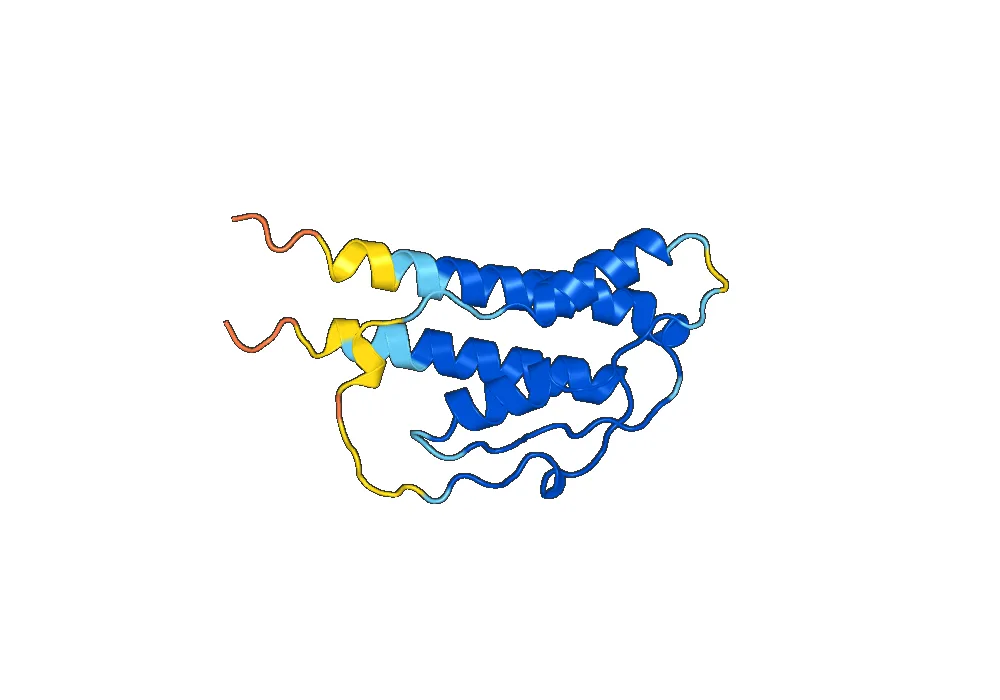
Structure of Recombinant Human TEP1
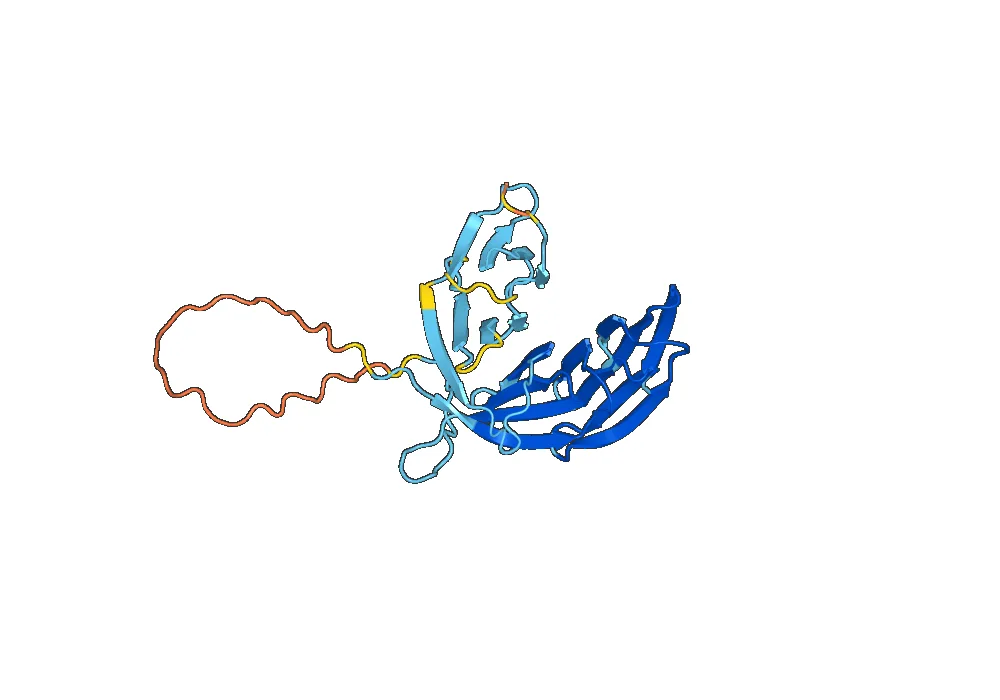
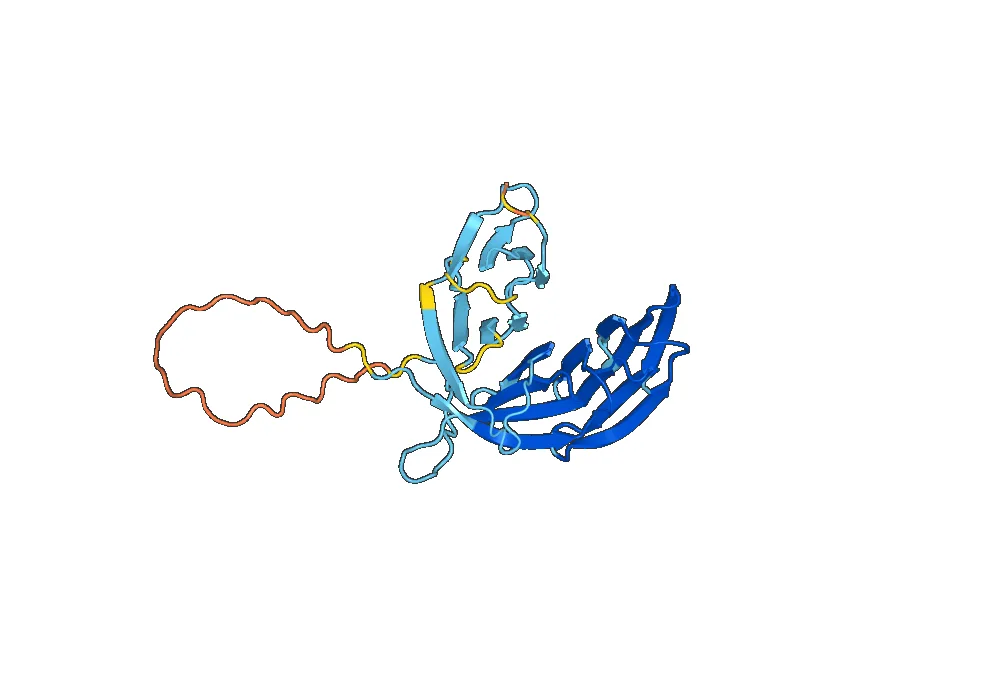
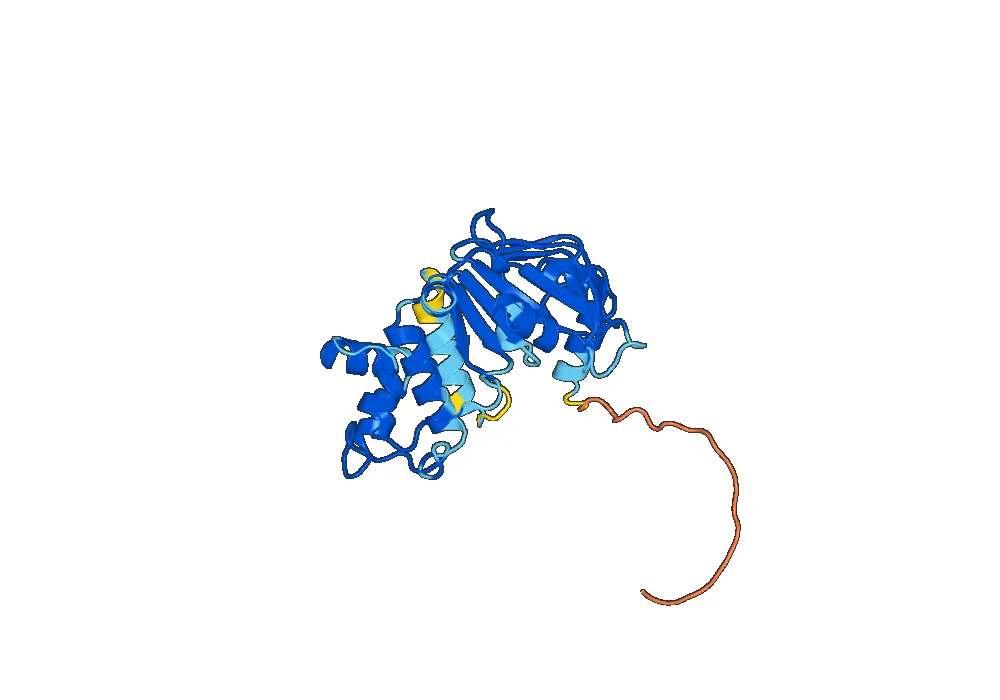
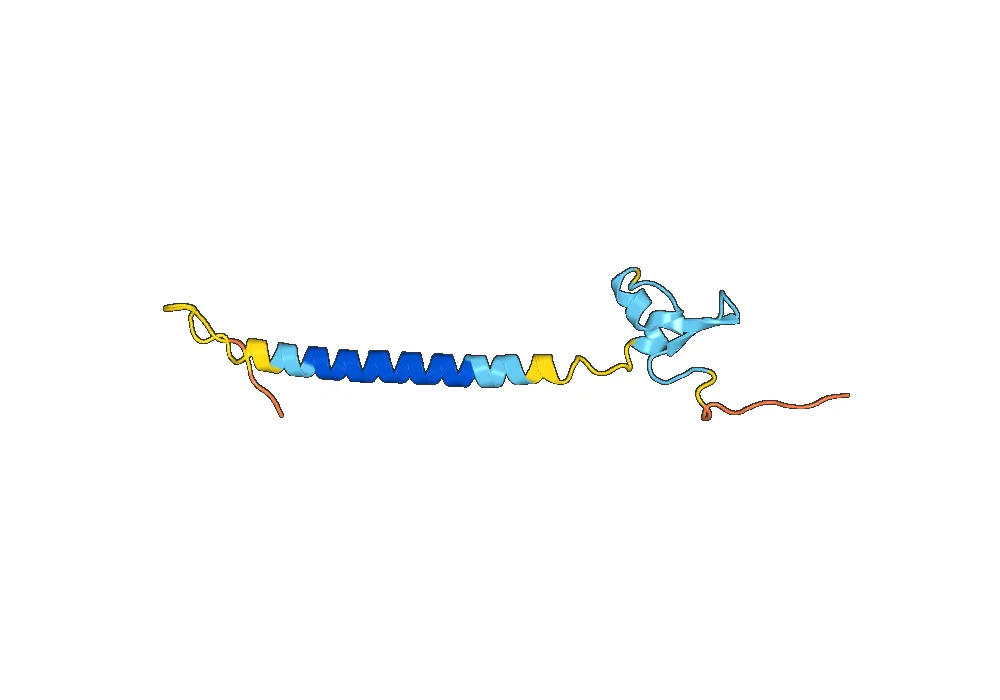
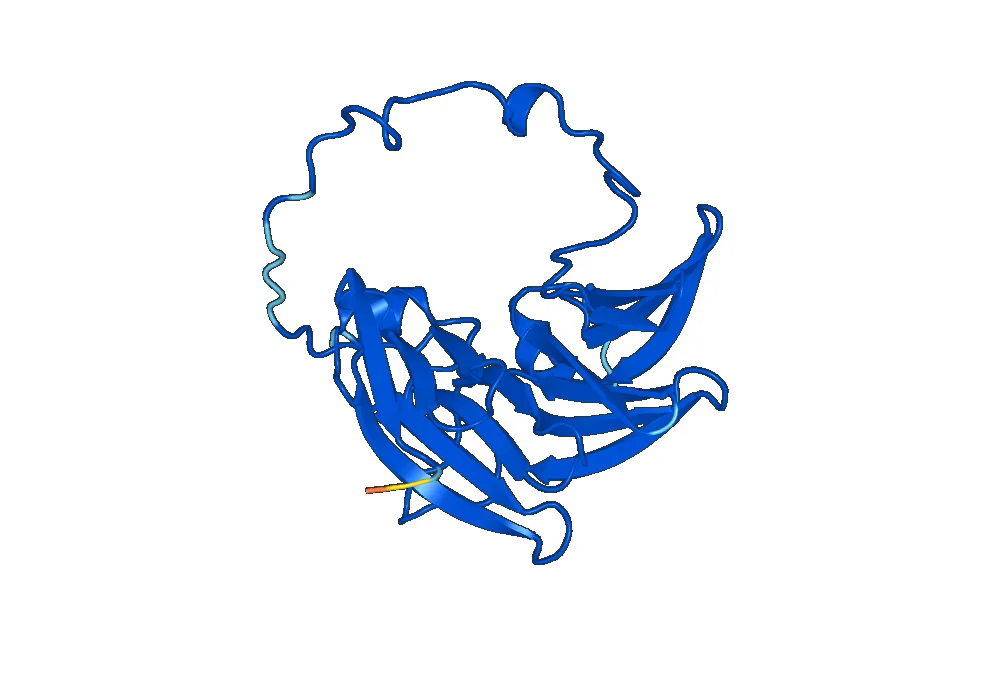
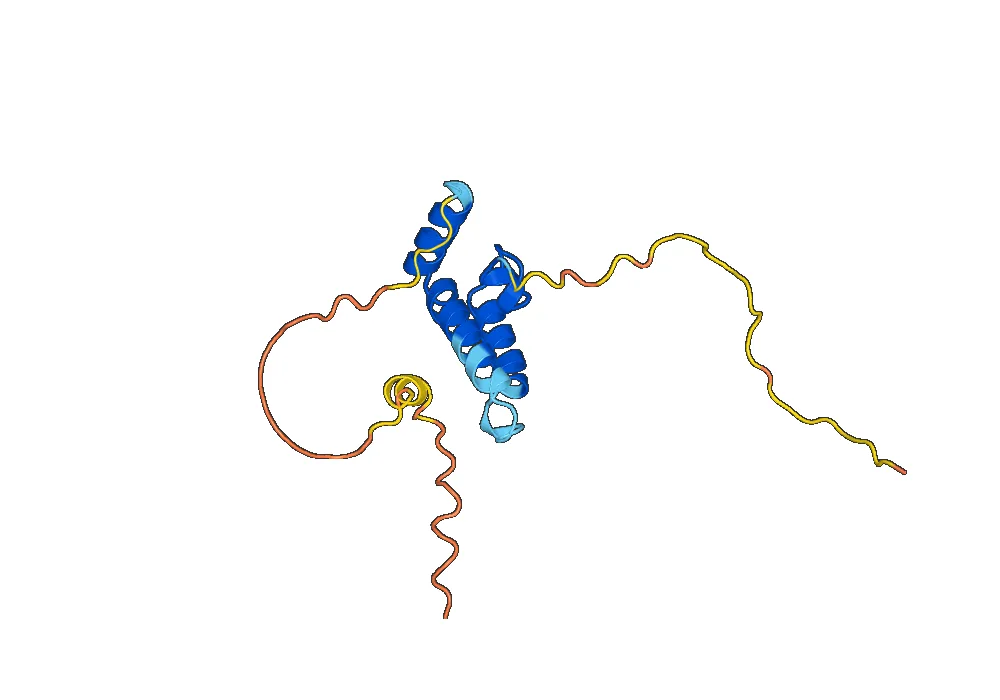
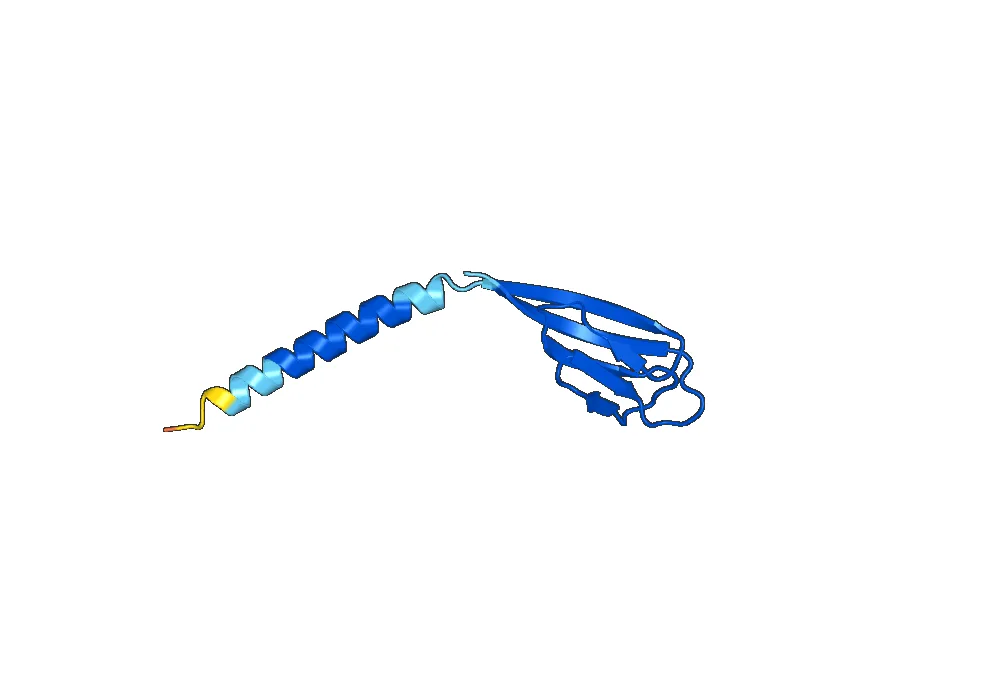
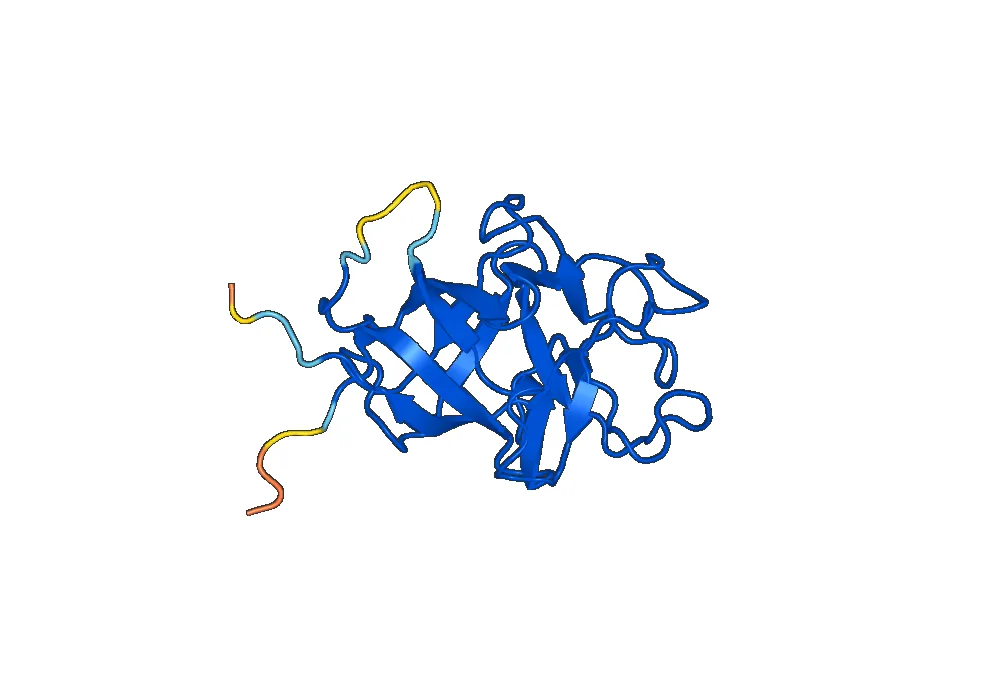
Recombinant human TEP1 is a large protein consisting of 1273 amino acids. It is composed of several functional domains, including a TEL (transcriptional elongation factor) domain, a TPR (tetratricopeptide repeat) domain, and a Myb/SANT domain. These domains are responsible for the protein’s interactions with other proteins and its role in telomere maintenance.
The TEL domain of TEP1 is responsible for binding to telomerase RNA, a component of the enzyme telomerase. This interaction is crucial for the recruitment of telomerase to telomeres, where it adds repetitive DNA sequences to maintain their length. The TPR domain of TEP1 is involved in protein-protein interactions and plays a role in regulating telomerase activity. The Myb/SANT domain is responsible for binding to DNA and may play a role in regulating gene expression.
Activity of Recombinant Human TEP1
The main function of TEP1 is to regulate telomerase activity, which is essential for maintaining the length of telomeres. Telomeres shorten with each cell division, and when they become too short, the cell stops dividing and eventually dies. Telomerase, with the help of TEP1, adds repetitive DNA sequences to the ends of telomeres, preventing them from becoming too short and ensuring the cell’s continued growth and division.
Aside from its role in telomere maintenance, TEP1 has also been found to play a role in DNA repair and chromosome stability. It interacts with other proteins involved in these processes, such as BRCA1 and RAD51, and may be involved in repairing damaged DNA and preventing chromosomal abnormalities.
Application of Recombinant Human TEP1
Recombinant human TEP1 has various applications in the fields of research and medicine. Its role in telomere maintenance makes it a valuable tool for studying aging and age-related diseases. Studies have shown that TEP1 levels decrease with age, and mutations in the TEP1 gene have been linked to certain age-related diseases, such as pulmonary fibrosis and liver cirrhosis.
Furthermore, recombinant human TEP1 has potential therapeutic applications. It has been shown to inhibit the growth of cancer cells by interfering with telomerase activity. This could potentially be used as a treatment for cancer, as cancer cells have high levels of telomerase activity compared to normal cells.
Recombinant TEP1 can also be used as a diagnostic tool for certain diseases. Mutations in the TEP1 gene have been associated with dyskeratosis congenita, a rare genetic disorder characterized by abnormal skin, nail, and mucous membrane changes. Testing for TEP1 mutations can aid in the diagnosis of this condition.
Conclusion
Recombinant human TEP1 is a crucial protein involved in the regulation of telomerase activity and telomere maintenance. Its structure and function make it a valuable tool for research and potential therapeutic and diagnostic applications. Further studies on TEP1 and its interactions with other proteins may provide insights into the aging process and the development of age-related diseases.
There are no reviews yet.