Introduction
Recombinant Human H2AJ is a protein that plays a crucial role in regulating gene expression and maintaining the structure of chromatin. It is a variant of the histone protein H2A, which is a key component of the nucleosome, the basic unit of chromatin. In this article, we will explore the structure, activity, and application of Recombinant Human H2AJ.
Structure of Recombinant Human H2AJ
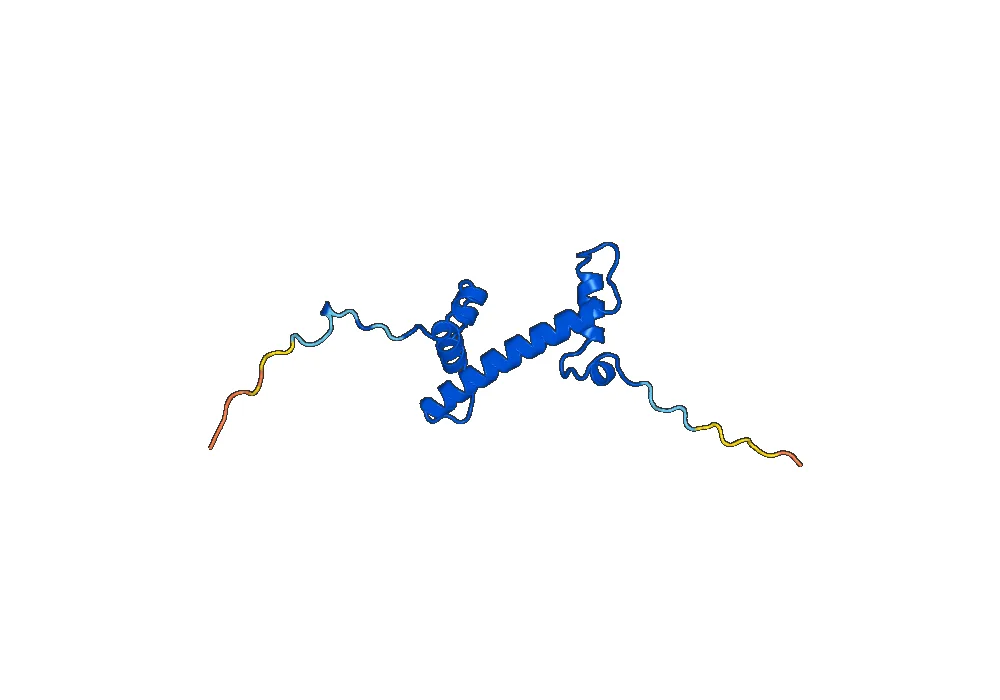
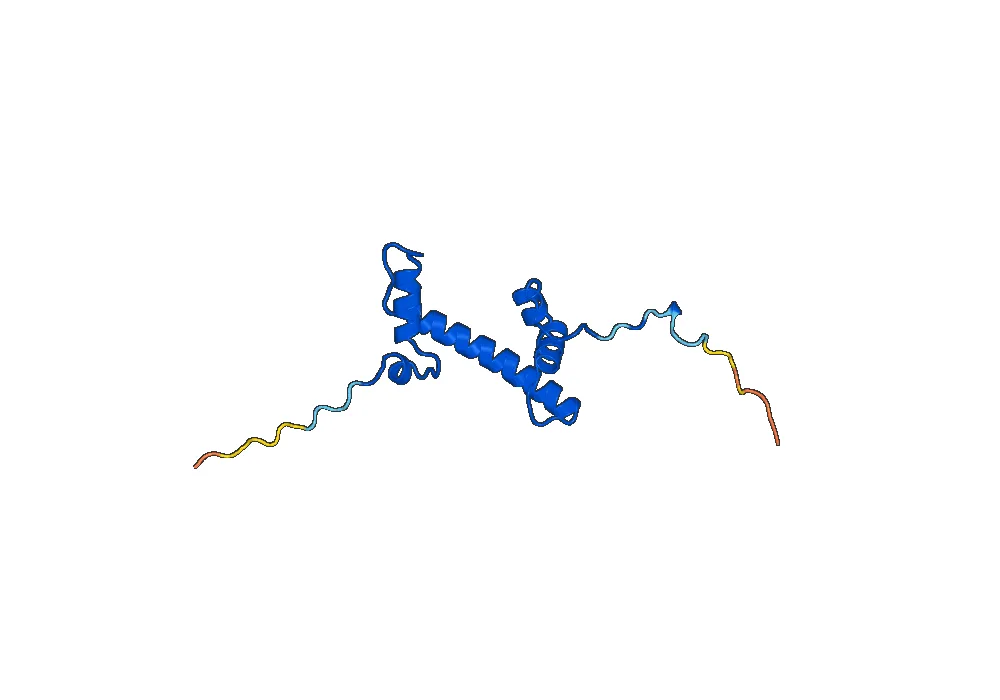
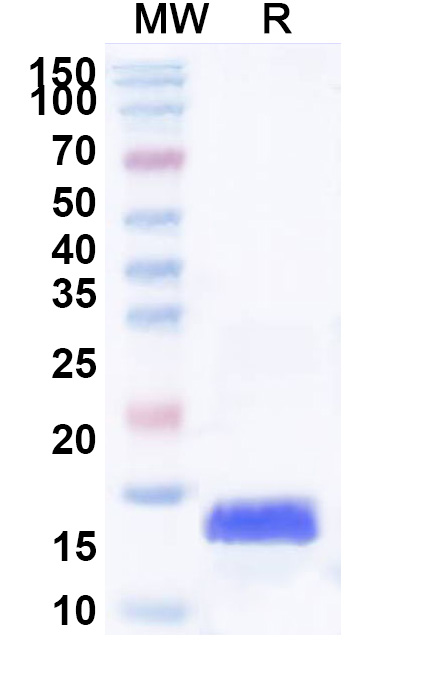
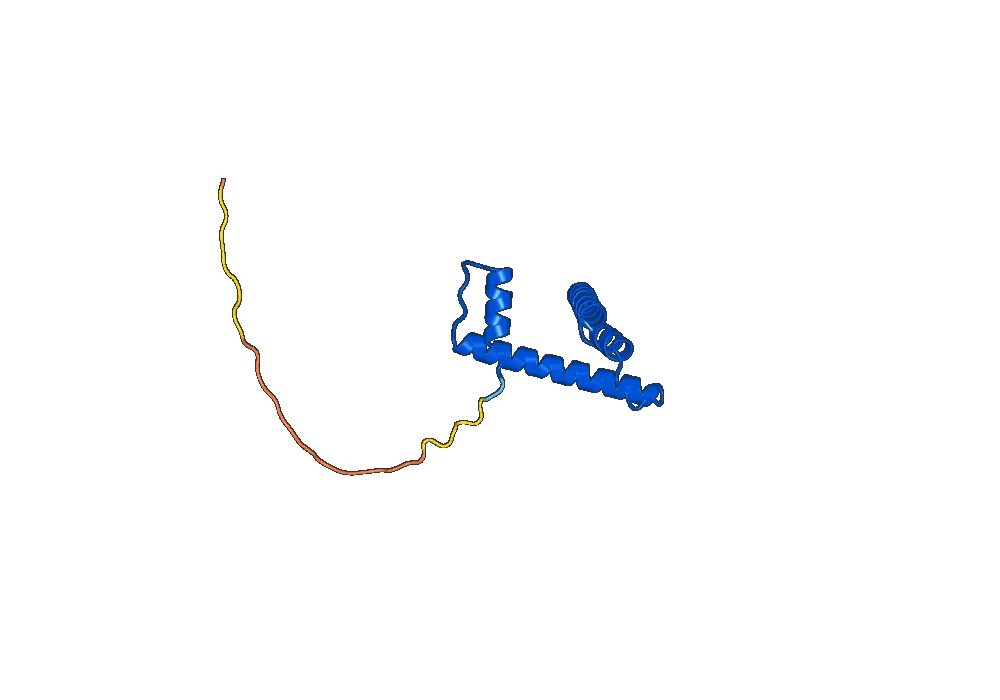
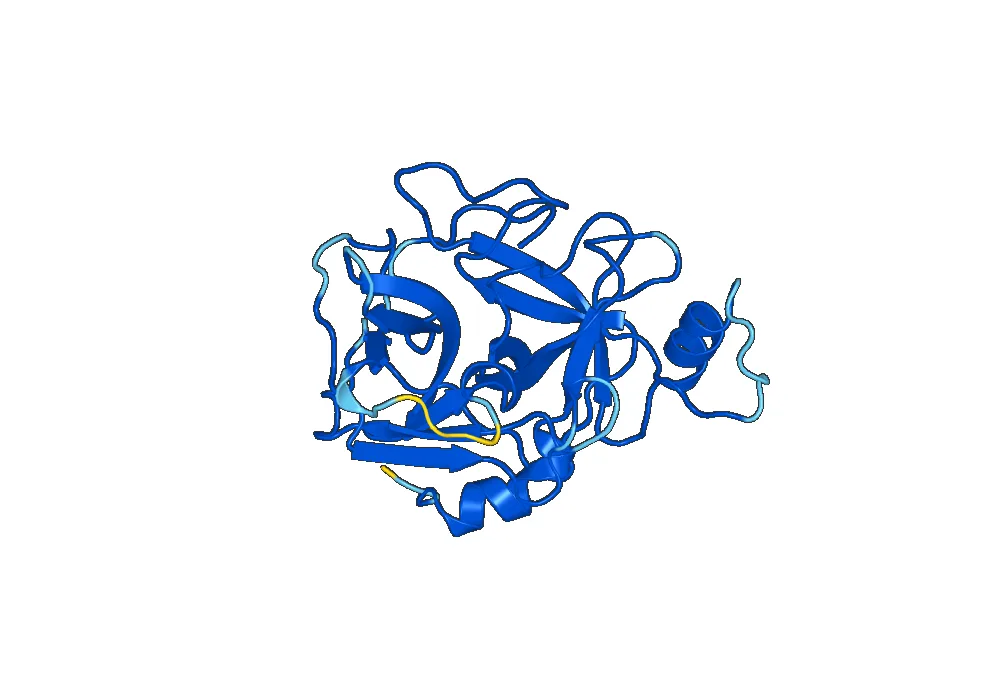
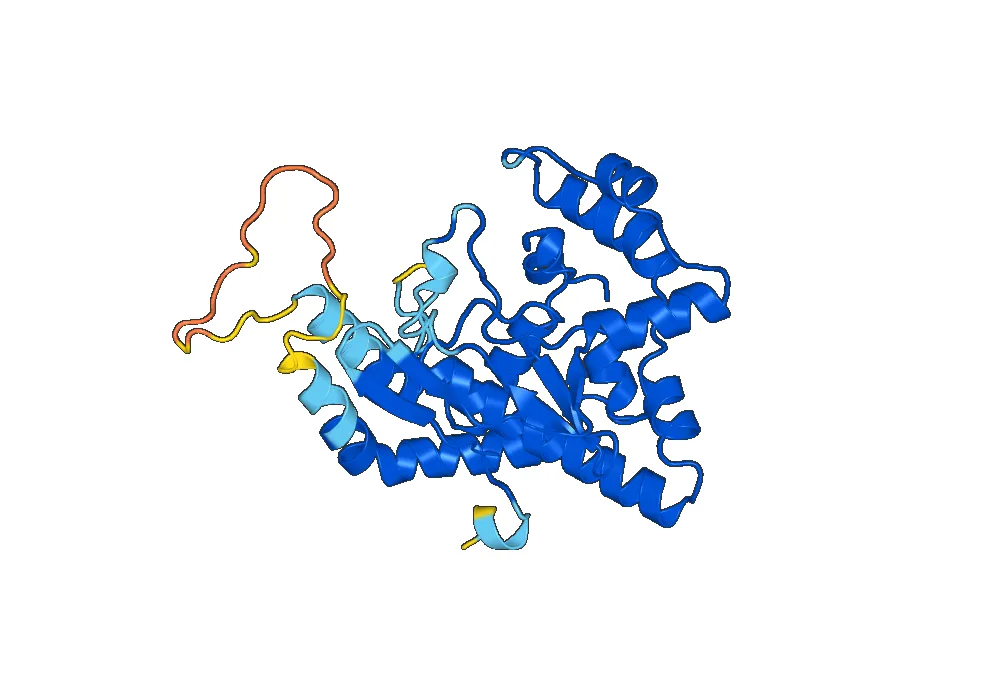
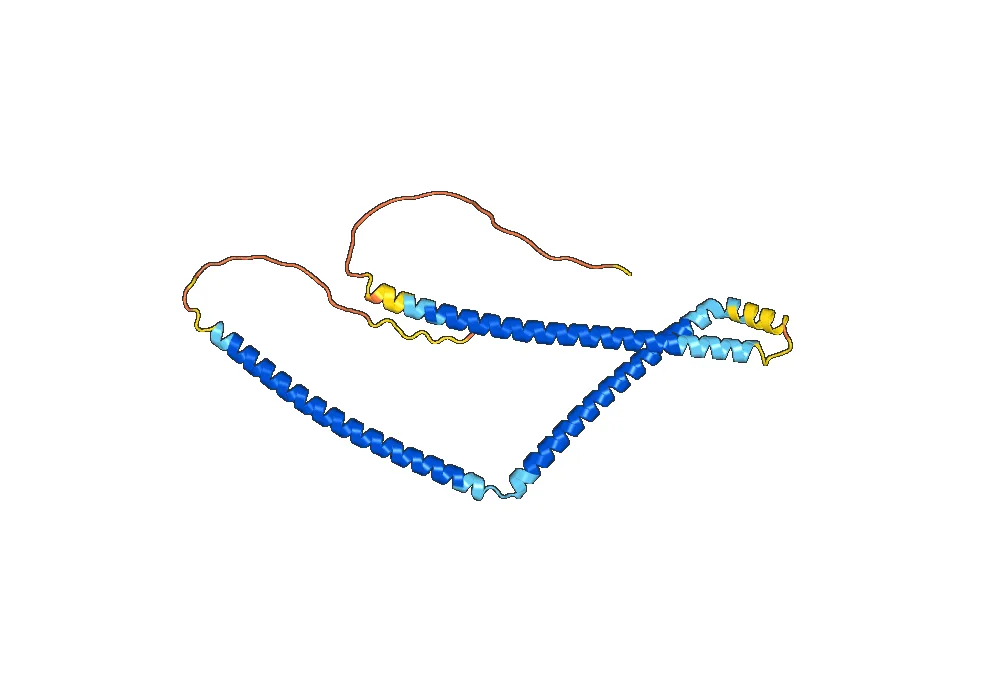
Recombinant Human H2AJ is a 14-kDa protein consisting of 128 amino acids. It has a highly conserved structure, with a central globular domain and a long N-terminal tail. The globular domain is responsible for binding to DNA and forming the nucleosome, while the N-terminal tail contains post-translational modifications that regulate gene expression.
Post-Translational Modifications
The N-terminal tail of Recombinant Human H2AJ can undergo various post-translational modifications, including acetylation, methylation, phosphorylation, and ubiquitination. These modifications can alter the chromatin structure and regulate the accessibility of DNA to transcription factors and other regulatory proteins.
Activity of Recombinant Human H2AJ
Recombinant Human H2AJ has multiple functions in the cell, including:
- Nucleosome Formation: As a variant of H2A, Recombinant Human H2AJ is essential for the formation of the nucleosome, which helps to package DNA into a compact structure and regulate gene expression.
- Gene Expression Regulation: The post-translational modifications on the N-terminal tail of Recombinant Human H2AJ can affect the binding of transcription factors and other regulatory proteins, thereby regulating gene expression.
- DNA Damage Response: Recombinant Human H2AJ is involved in the cellular response to DNA damage, including DNA repair and cell cycle checkpoint activation.
Role in Cancer
Aberrant expression and function of Recombinant Human H2AJ have been linked to various types of cancer. For example, overexpression of H2AJ has been observed in breast cancer, and its depletion has been shown to inhibit tumor growth in vitro. Additionally, mutations in the gene encoding H2AJ have been identified in certain types of lymphomas and leukemias.
Application of Recombinant Human H2AJ
Recombinant Human H2AJ has various applications in both research and clinical settings. Some of the most common applications include:
- Chromatin Immunoprecipitation (ChIP): Recombinant Human H2AJ can be used in ChIP assays to study the binding of transcription factors and other regulatory proteins to specific regions of DNA.
- Epigenetics Research: The post-translational modifications on the N-terminal tail of Recombinant Human H2AJ play a crucial role in epigenetic regulation, making it a valuable tool for studying epigenetic mechanisms.
- Cancer Research: As mentioned earlier, Recombinant Human H2AJ has been implicated in cancer, making it a potential target for cancer therapy. Additionally, it can be used in cancer diagnostics to detect aberrant H2AJ expression in patient samples.
Limitations
Although Recombinant Human H2AJ has many applications, it is

There are no reviews yet.