Introduction to Recombinant Human HDAC9
Recombinant Human HDAC9 (Histone Deacetylase 9) is a protein that plays a crucial role in regulating gene expression and chromatin structure. HDAC9 belongs to the class II family of histone deacetylases, which are enzymes that remove acetyl groups from histone proteins, resulting in gene silencing. Recombinant Human HDAC9 is a genetically engineered version of the human HDAC9 protein, produced through recombinant DNA technology. This protein has been extensively studied and has shown potential for various therapeutic applications.
Structure of Recombinant Human HDAC9
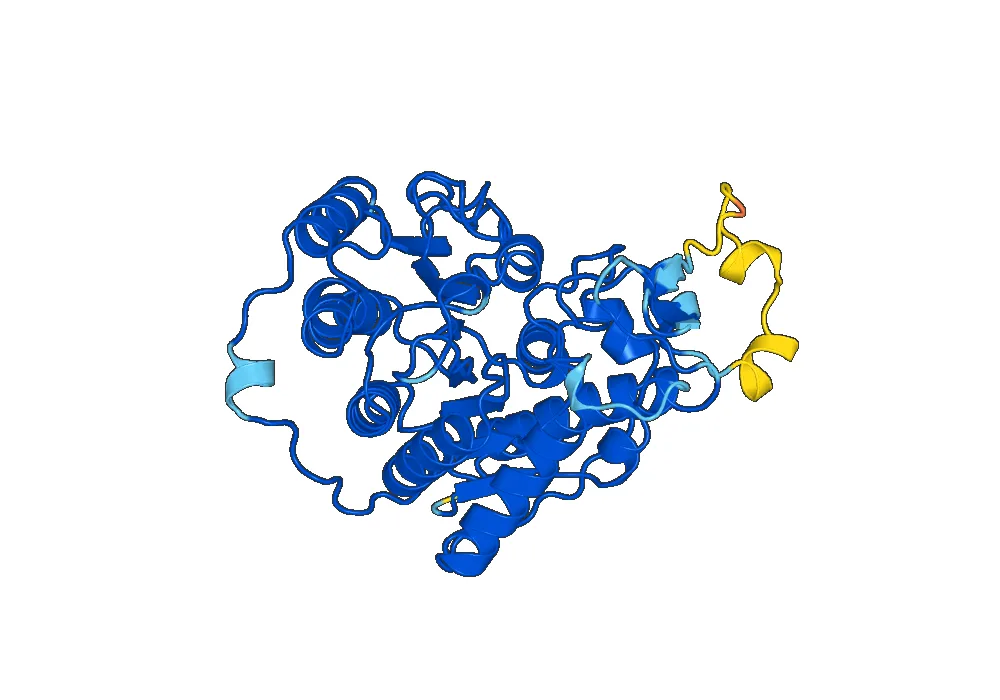
Recombinant Human HDAC9 is a 59 kDa protein composed of 503 amino acids. It contains a catalytic domain and a C-terminal regulatory domain. The catalytic domain is responsible for the deacetylase activity of HDAC9, while the regulatory domain plays a crucial role in its localization and interaction with other proteins. The structure of HDAC9 is highly conserved among different species, indicating its importance in cellular processes.
Activity of Recombinant Human HDAC9
Recombinant Human HDAC9 is a key player in epigenetic regulation, particularly in the process of histone deacetylation. Histone acetylation and deacetylation are essential mechanisms for controlling gene expression. HDAC9 removes acetyl groups from lysine residues on histone proteins, resulting in a more condensed chromatin structure and gene silencing. This activity is crucial for proper development and differentiation of cells.
In addition to histone deacetylation, HDAC9 also has non-histone protein targets, including transcription factors and other chromatin-associated proteins. These interactions can affect various cellular processes, such as cell cycle progression, DNA damage repair, and apoptosis. Dysregulation of HDAC9 activity has been linked to various diseases, including cancer, neurodegenerative disorders, and cardiovascular diseases.
Application of Recombinant Human HDAC9
The unique structure and activity of Recombinant Human HDAC9 make it a promising target for therapeutic interventions. One potential application of HDAC9 is in cancer treatment. HDAC inhibitors, which block the activity of HDAC enzymes, have shown promising results in clinical trials for various types of cancer. Specifically, HDAC9 inhibitors have been found to induce cell death in cancer cells and increase the effectiveness of chemotherapy.
Another potential application of Recombinant Human HDAC9 is in the treatment of neurodegenerative disorders. HDAC9 has been shown to play a role in the development of Alzheimer’s disease and Huntington’s disease. Inhibiting HDAC9 activity may help prevent the formation of toxic protein aggregates and slow down the progression of these diseases.
Furthermore, HDAC9 has been implicated in cardiovascular diseases, such as atherosclerosis and heart failure. Inhibiting HDAC9 activity has been shown to reduce inflammation and improve heart function in animal models. This suggests that HDAC9 inhibitors may have potential therapeutic effects in treating these diseases.
Conclusion
In summary, Recombinant Human HDAC9 is a crucial protein involved in epigenetic regulation and various cellular processes. Its unique structure and activity make it a promising target for therapeutic interventions in cancer, neurodegenerative disorders, and cardiovascular diseases. Further research and development of HDAC9 inhibitors may lead to new and effective treatments for these diseases.

There are no reviews yet.