Recombinant Human SLC30A3: Structure, Activity, and Application
Introduction
Recombinant Human SLC30A3 is a protein that plays a crucial role in maintaining zinc homeostasis in the body. It is also known as the zinc transporter 3 (ZnT-3) and is encoded by the SLC30A3 gene. This protein belongs to the SLC30 family of zinc transporters and is primarily found in the membranes of synaptic vesicles in neurons.
Structure of Recombinant Human SLC30A3
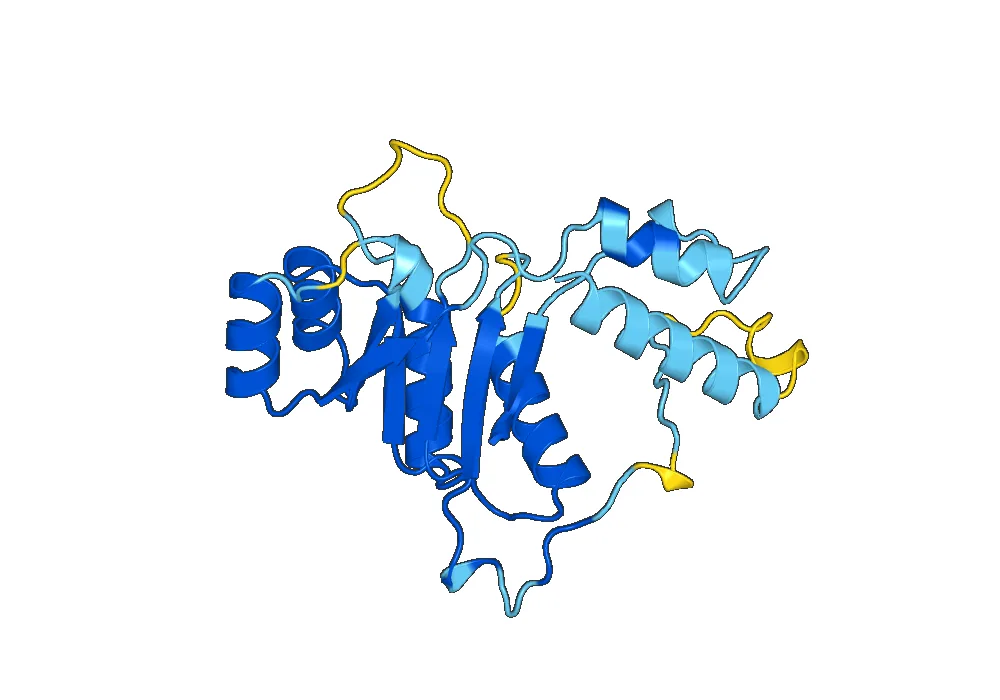
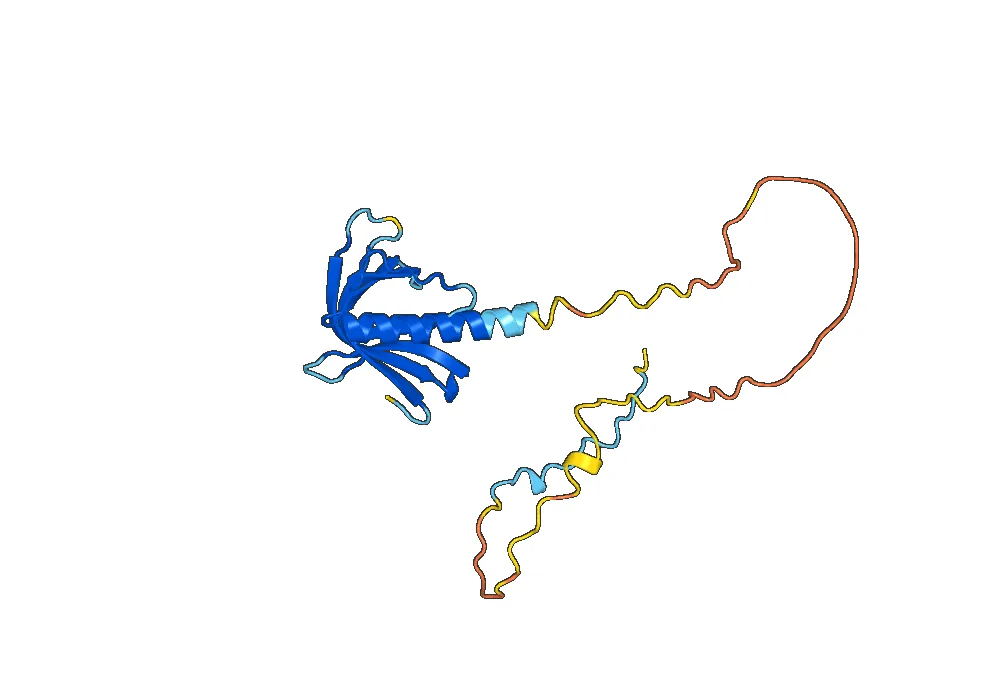
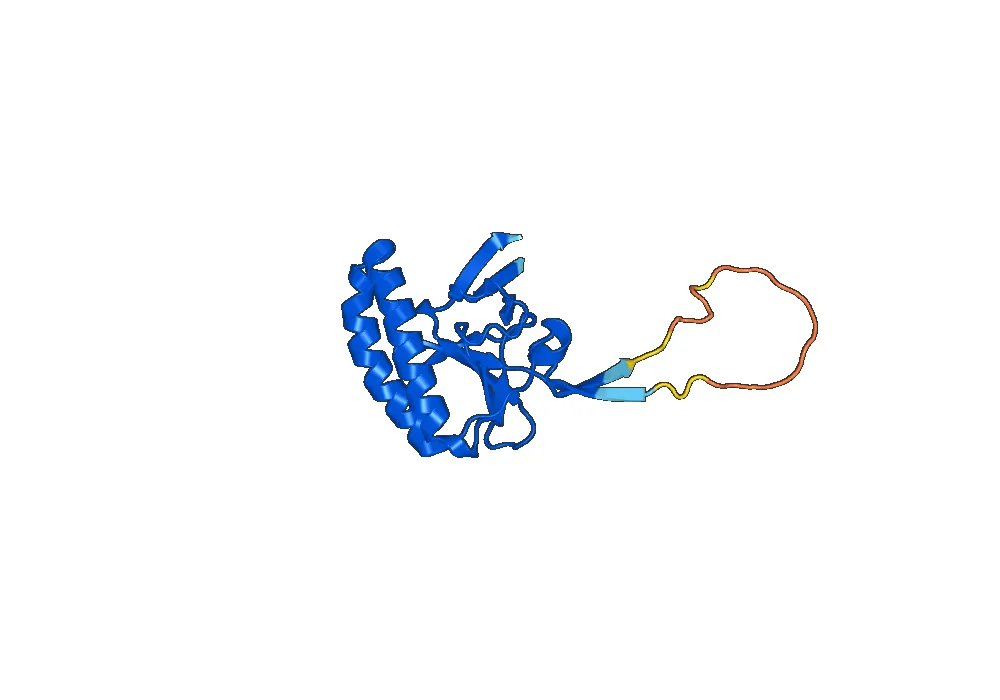
The SLC30A3 gene is located on chromosome 16q13 and consists of 8 exons. The protein encoded by this gene is composed of 389 amino acids with a predicted molecular weight of 43 kDa. It contains six transmembrane domains and a large cytoplasmic loop between transmembrane domains 4 and 5. The N- and C-termini of the protein are located in the cytoplasm, while the loop between transmembrane domains 3 and 4 is exposed to the extracellular space.
Activity of Recombinant Human SLC30A3
The primary function of Recombinant Human SLC30A3 is to transport zinc ions from the cytoplasm into synaptic vesicles. This process is essential for the regulation of zinc levels in the brain and plays a crucial role in synaptic transmission and plasticity. The protein achieves this by utilizing the electrochemical gradient of protons across the vesicular membrane, which is generated by the vacuolar-type H+-ATPase. This results in the accumulation of zinc in synaptic vesicles, which can then be released into the synaptic cleft upon neuronal stimulation.
Besides its role in zinc transport, Recombinant Human SLC30A3 has also been found to interact with other proteins, such as the amyloid precursor protein (APP) and the beta-site APP-cleaving enzyme 1 (BACE1). These interactions suggest a potential involvement of this protein in the pathogenesis of Alzheimer’s disease.
Application of Recombinant Human SLC30A3
Recombinant Human SLC30A3 has been extensively studied for its potential therapeutic applications. One of the major areas of interest is its role in Alzheimer’s disease. Studies have shown that zinc dyshomeostasis and alterations in zinc transporter levels are associated with the development and progression of this neurodegenerative disorder. Therefore, targeting Recombinant Human SLC30A3 could potentially provide a therapeutic approach for the treatment of Alzheimer’s disease.
Moreover, Recombinant Human SLC30A3 has also been investigated for its potential role in other neurological disorders, such as Parkinson’s disease and epilepsy. It has been suggested that alterations in zinc levels and transport may contribute to the pathogenesis of these disorders, and targeting Recombinant Human SLC30A3 could potentially provide a novel therapeutic strategy.
In addition to its therapeutic applications, Recombinant Human SLC30A3 has also been used as an antigen in various research studies. Antibodies against this protein have been developed and used for immunohistochemistry to study its localization and expression in different tissues. Recombinant Human SLC30A3 has also been used in in vitro studies to investigate its role in zinc transport and its interactions with other proteins.
Conclusion
In summary, Recombinant Human SLC30A3 is a crucial protein involved in the regulation of zinc homeostasis in the brain. Its structure, activity, and potential therapeutic applications make it a subject of interest in various research studies. Further

There are no reviews yet.