Introduction
Recombinant Human LSS, also known as Lanosterol Synthase, is a key enzyme involved in the biosynthesis of cholesterol. This enzyme is encoded by the LSS gene and is responsible for the conversion of squalene to lanosterol, a critical step in the cholesterol synthesis pathway. In recent years, recombinant Human LSS has gained significant attention in the field of biotechnology and pharmaceutical research due to its potential applications in drug discovery and development. In this article, we will provide a comprehensive overview of the structure, activity, and applications of recombinant Human LSS.
Structure of Recombinant Human LSS
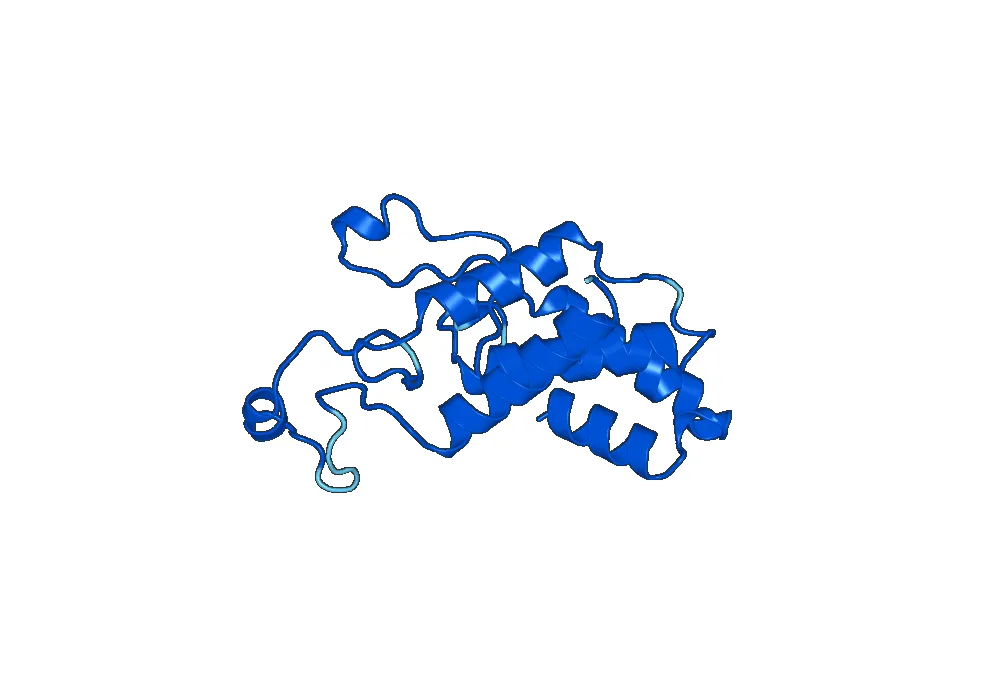
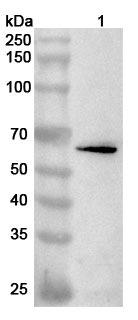
Recombinant Human LSS is a homodimeric protein consisting of two identical subunits, each with a molecular weight of approximately 60 kDa. The crystal structure of recombinant Human LSS has been determined, revealing a three-dimensional arrangement of alpha-helices and beta-sheets. The active site of the enzyme is located in a deep pocket at the interface of the two subunits and is composed of conserved amino acid residues essential for catalytic activity.
Activity of Recombinant Human LSS
The primary function of recombinant Human LSS is to catalyze the cyclization of squalene, a linear hydrocarbon, to form lanosterol, a tetracyclic sterol. This reaction involves a series of complex steps, including the formation of carbocations and the rearrangement of chemical bonds. Recombinant Human LSS is highly specific for squalene and has a high turnover rate, making it an efficient catalyst in the cholesterol biosynthesis pathway.
Applications of Recombinant Human LSS
Recombinant Human LSS has a wide range of potential applications in the fields of biotechnology and pharmaceutical research. Some of the key applications of this enzyme are:
1. Drug Discovery
The cholesterol biosynthesis pathway is a well-known target for the development of drugs to treat hypercholesterolemia and other related disorders. Recombinant Human LSS can be used to screen for potential inhibitors or activators of the enzyme, which can then be further developed into therapeutic agents.
2. Production of Recombinant Proteins
Recombinant Human LSS has been successfully used as a fusion partner for the production of recombinant proteins in various expression systems. This enzyme can increase the solubility and stability of the target protein, leading to higher yields and improved purification.
3. Vaccine Development
Recombinant Human LSS has been identified as a potential antigen for the development of vaccines against fungal infections. This enzyme is highly conserved among different fungal species and can elicit a strong immune response, making it a promising candidate for vaccine development.
4. Biocatalysis
Recombinant Human LSS has also been explored for its potential in biocatalysis, particularly in the production of sterols and other related compounds. This enzyme offers several advantages over chemical catalysts, including higher selectivity and lower environmental impact.
5. Research Tool
Recombinant Human LSS is a valuable research tool for studying the structure and function of the cholesterol biosynthesis pathway. Its high specificity and activity make it an ideal enzyme for biochemical and biophysical studies.
Conclusion
In summary, recombinant Human LSS is a key enzyme involved in the biosynthesis of cholesterol with potential applications in drug discovery, protein production, vaccine development, biocatalysis, and research. Its well-defined structure and high catalytic activity make it a valuable tool in various fields of science. Further research and development of this enzyme may lead to new and innovative treatments for various diseases and disorders.

There are no reviews yet.