Introduction to Recombinant Human RPS8 Protein
Recombinant Human RPS8 Protein, also known as Ribosomal Protein S8, is a highly conserved protein that plays a crucial role in protein synthesis. It is a component of the small ribosomal subunit, which is responsible for decoding the genetic information present in messenger RNA (mRNA) and synthesizing proteins. The RPS8 gene is located on the long arm of chromosome 1 and is expressed in all tissues, making it a widely studied protein in the field of molecular biology.
Structure of Recombinant Human RPS8 Protein
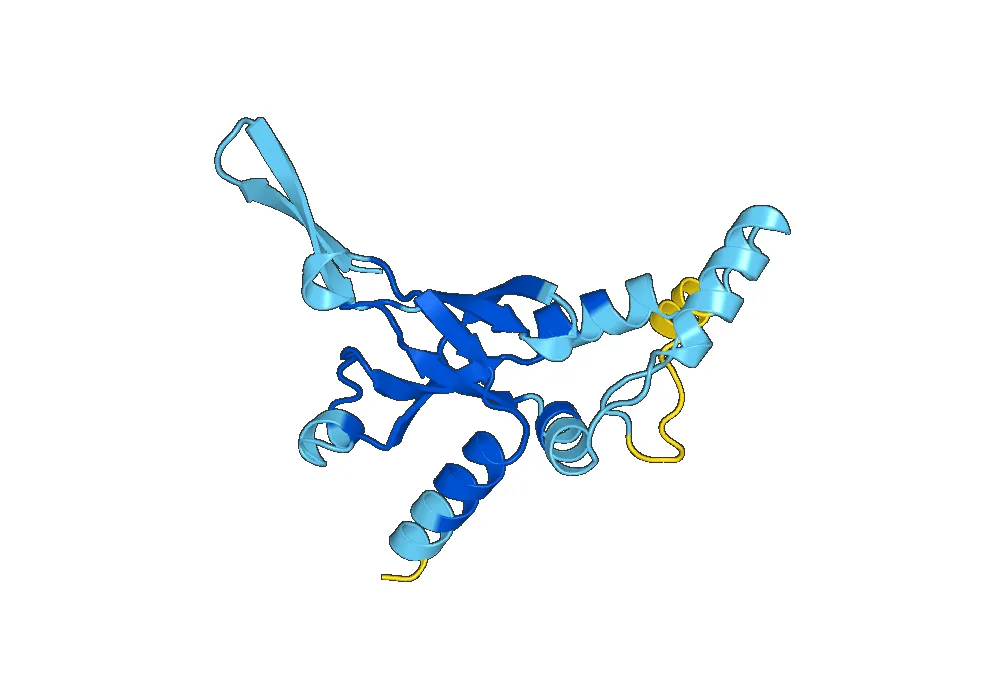
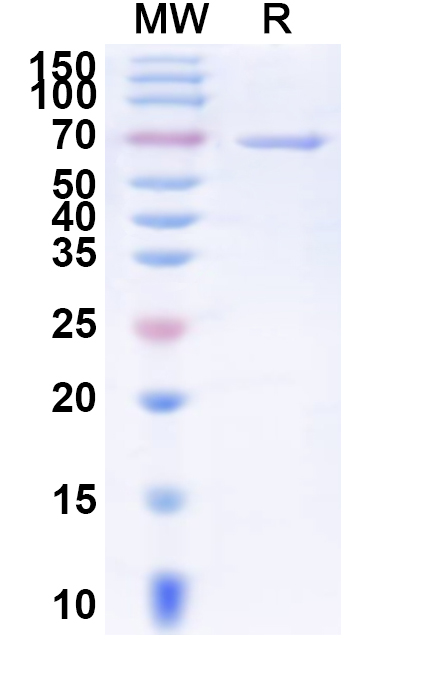
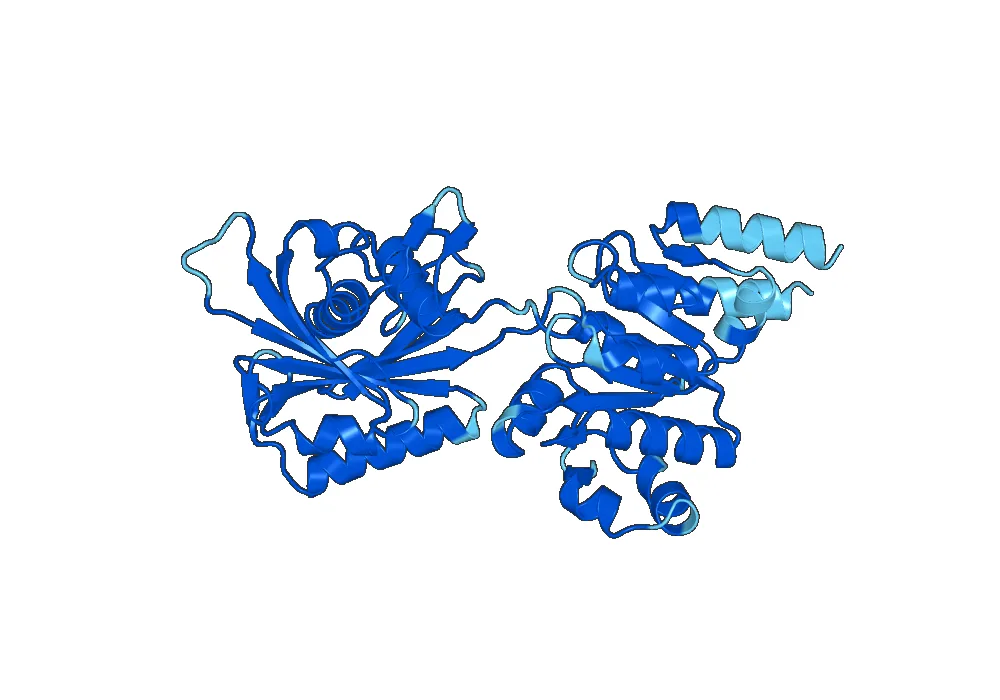
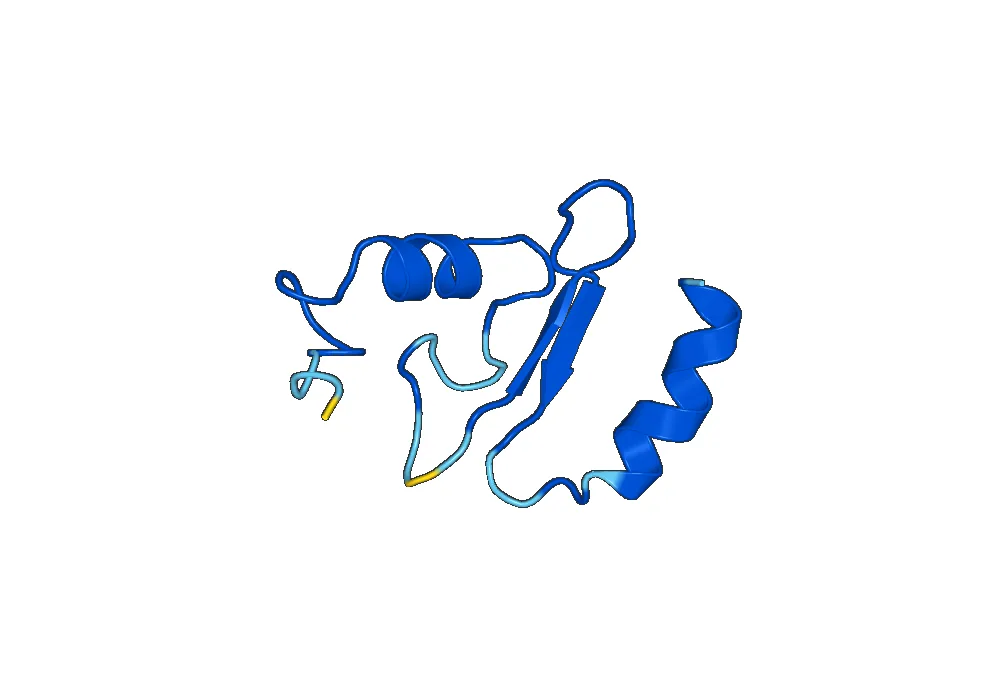
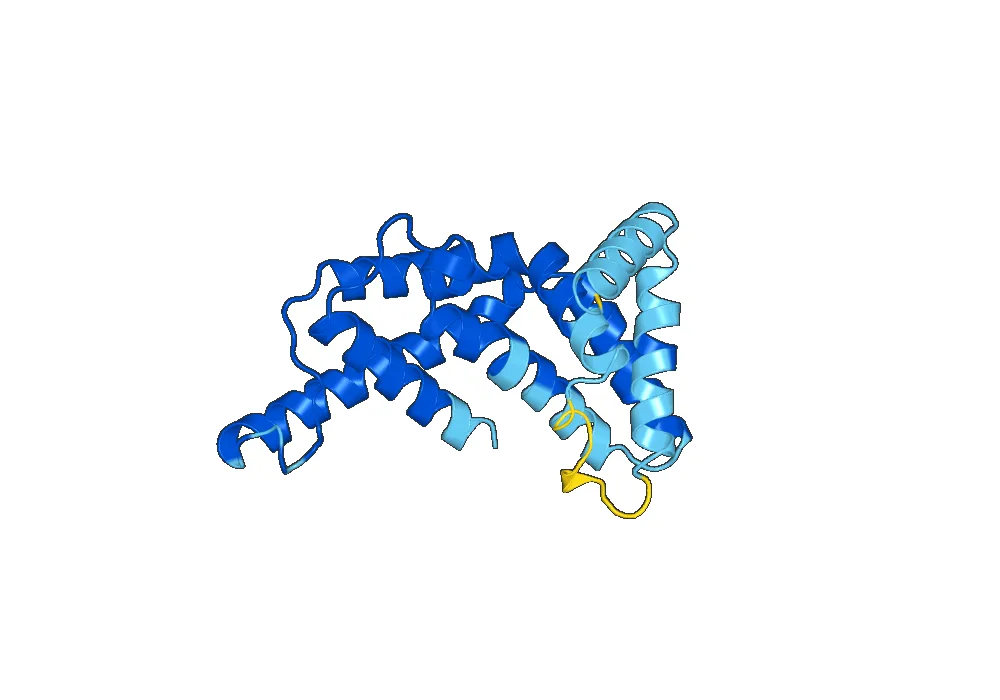
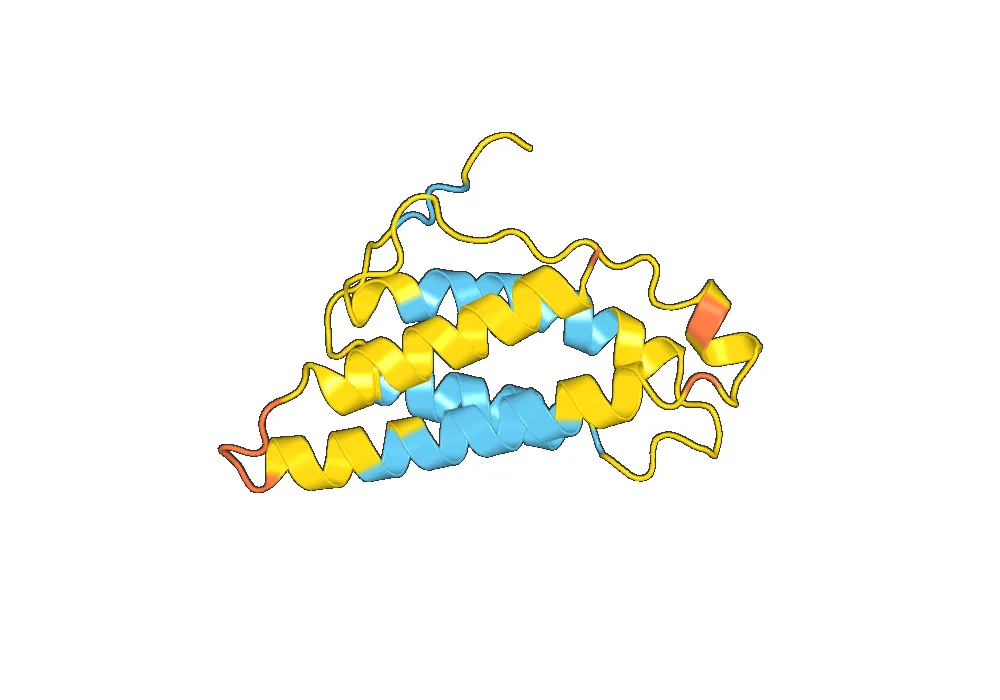
The RPS8 protein is composed of 246 amino acids and has a molecular weight of 28 kDa. It has a conserved structure consisting of a central beta-sheet surrounded by alpha-helices, similar to other ribosomal proteins. The protein also contains two zinc-binding domains that are crucial for its function in the ribosome. Recombinant Human RPS8 Protein is produced using recombinant DNA technology, where the gene encoding RPS8 is inserted into an expression vector and then expressed in a suitable host cell, such as E. coli.
Activity of Recombinant Human RPS8 Protein
Recombinant Human RPS8 Protein is an essential component of the small ribosomal subunit, which is responsible for decoding the genetic code and synthesizing proteins. It plays a crucial role in the initiation of protein synthesis by binding to the 5’ end of mRNA and recruiting other ribosomal proteins. RPS8 also interacts with other proteins and RNA molecules within the ribosome, contributing to the overall stability and function of the ribosome. Additionally, RPS8 has been shown to have a role in regulating cell proliferation and apoptosis, making it a potential target for cancer research.
Application of Recombinant Human RPS8 Protein
Recombinant Human RPS8 Protein has a wide range of applications in both research and industrial settings. It is commonly used as an antigen in studies involving ribosome structure and function. The recombinant protein can be used to generate specific antibodies for immunological assays, such as ELISA and Western blotting, to study the expression and localization of RPS8 in different tissues and cell types.
In the pharmaceutical industry, Recombinant Human RPS8 Protein is used in the production of therapeutic proteins, such as insulin and growth factors, through recombinant protein expression systems. Its role in regulating cell growth and apoptosis also makes it a potential target for drug development in cancer treatment. Recombinant RPS8 can be used in high-throughput screening assays to identify small molecule inhibitors that can modulate its activity.
Furthermore, Recombinant Human RPS8 Protein has potential applications in agriculture, specifically in the production of genetically modified crops. By introducing the RPS8 gene into plants, it can enhance their protein synthesis machinery, leading to increased yield and quality of crops.
Conclusion
In conclusion, Recombinant Human RPS8 Protein is a highly conserved and essential component of the ribosome, with a crucial role in protein synthesis. Its structure, activity, and potential applications make it a valuable tool in various fields, including molecular biology, pharmaceuticals, and agriculture. With ongoing research and advancements in recombinant protein technology, the use of Recombinant Human RPS8 Protein is likely to continue to expand, contributing to a better understanding of protein synthesis and its applications.

There are no reviews yet.