Introduction to Recombinant Human LDLR Protein
Recombinant Human LDLR Protein is a highly purified and biologically active protein that is produced through recombinant DNA technology. This protein is a crucial component of the low-density lipoprotein receptor (LDLR) system, which plays a vital role in the regulation of cholesterol metabolism. In this article, we will explore the structure, activity, and applications of Recombinant Human LDLR Protein.
Structure of Recombinant Human LDLR Protein
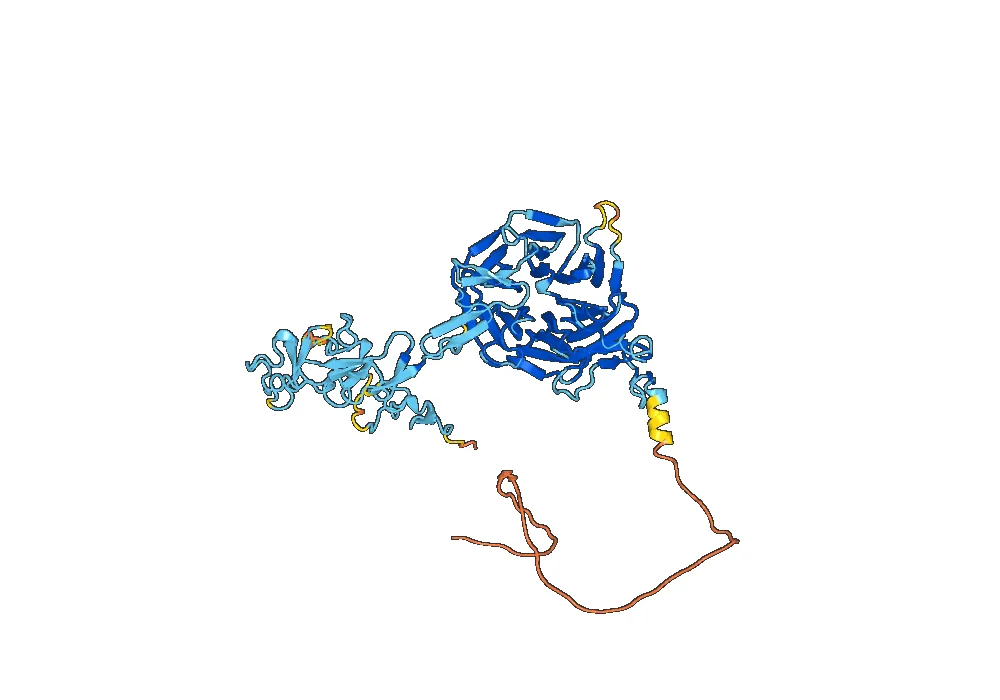
Recombinant Human LDLR Protein is a glycoprotein with a molecular weight of approximately 160 kDa. It is composed of 839 amino acids and contains a large extracellular domain, a single transmembrane domain, and a short cytoplasmic tail. The extracellular domain consists of seven cysteine-rich repeats, which are essential for the binding of LDL particles. The transmembrane domain anchors the protein to the cell membrane, while the cytoplasmic tail is responsible for intracellular signaling.
Activity of Recombinant Human LDLR Protein
The primary function of Recombinant Human LDLR Protein is to bind and internalize LDL particles from the bloodstream. This process is crucial for the regulation of cholesterol levels in the body. LDLR is a cell surface receptor that recognizes apolipoprotein B (apoB) on LDL particles and mediates their uptake into cells. This prevents the accumulation of LDL in the bloodstream, which can lead to the development of atherosclerosis and cardiovascular diseases.
Apart from its role in cholesterol metabolism, Recombinant Human LDLR Protein also has other important functions. It plays a role in the transport of vitamin E and lipoprotein lipase, which is involved in the breakdown of triglycerides. Additionally, LDLR has been shown to have anti-inflammatory and anti-oxidative properties, making it a potential therapeutic target for various diseases.
Applications of Recombinant Human LDLR Protein
Recombinant Human LDLR Protein has various applications in both research and clinical settings. In research, it is used to study the structure and function of the LDLR system and its role in cholesterol metabolism. It is also used to investigate the mechanisms of action of various drugs and compounds that target LDLR.
In the clinical setting, Recombinant Human LDLR Protein has potential applications in the treatment of hypercholesterolemia and other lipid disorders. It can be used as a therapeutic agent to lower LDL cholesterol levels in patients with familial hypercholesterolemia, a genetic disorder characterized by high levels of LDL. Additionally, LDLR-targeted gene therapy has shown promising results in animal studies and may hold potential for the treatment of various diseases in the future.
Antigenicity of Recombinant Human LDLR Protein
Antigenicity refers to the ability of a substance to induce an immune response. Recombinant Human LDLR Protein is a foreign protein when introduced into the body, and therefore, it can elicit an immune response. However, studies have shown that the antigenicity of this protein is low, and it does not cause significant immune reactions in most individuals. This makes it a safe and effective therapeutic agent for clinical use.
In Conclusion
In summary, Recombinant Human LDLR Protein is a vital component of the LDLR system, responsible for regulating cholesterol metabolism. Its structure, activity, and applications make it a valuable tool in research and a potential therapeutic agent for various diseases. With ongoing research and advancements in technology, this protein holds promise for the development of new treatments for lipid disorders and other conditions.


There are no reviews yet.