Introduction to Recombinant Human PRKD2
Recombinant Human PRKD2, also known as protein kinase D2, is a member of the protein kinase D family that plays a crucial role in various cellular processes, including cell proliferation, differentiation, and survival. This protein is encoded by the PRKD2 gene located on chromosome 19 in humans and is highly conserved among vertebrates.
Structure of Recombinant Human PRKD2
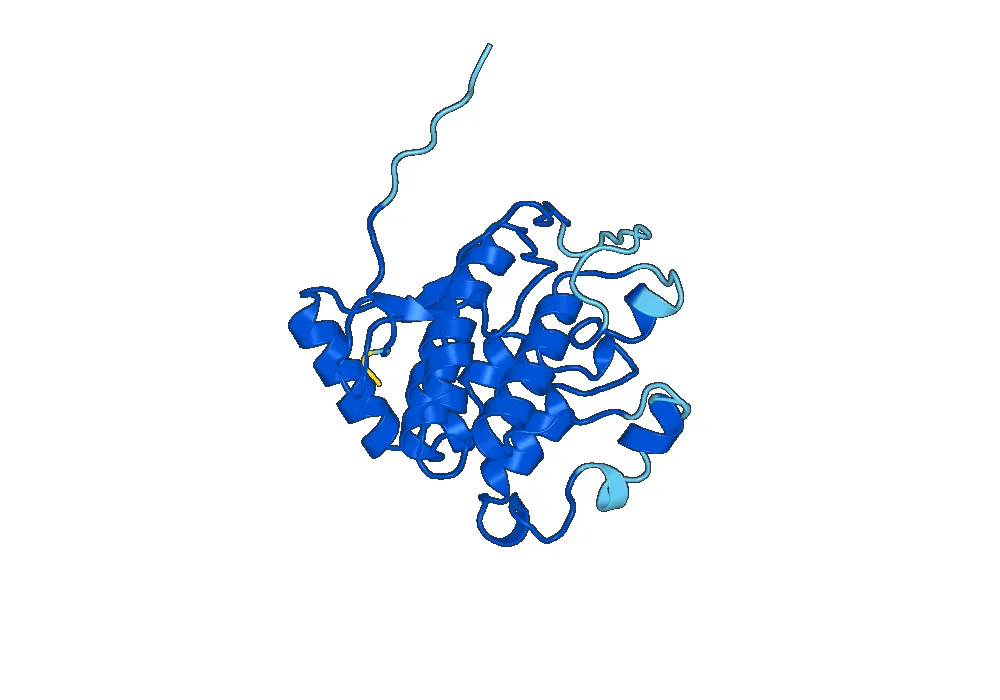
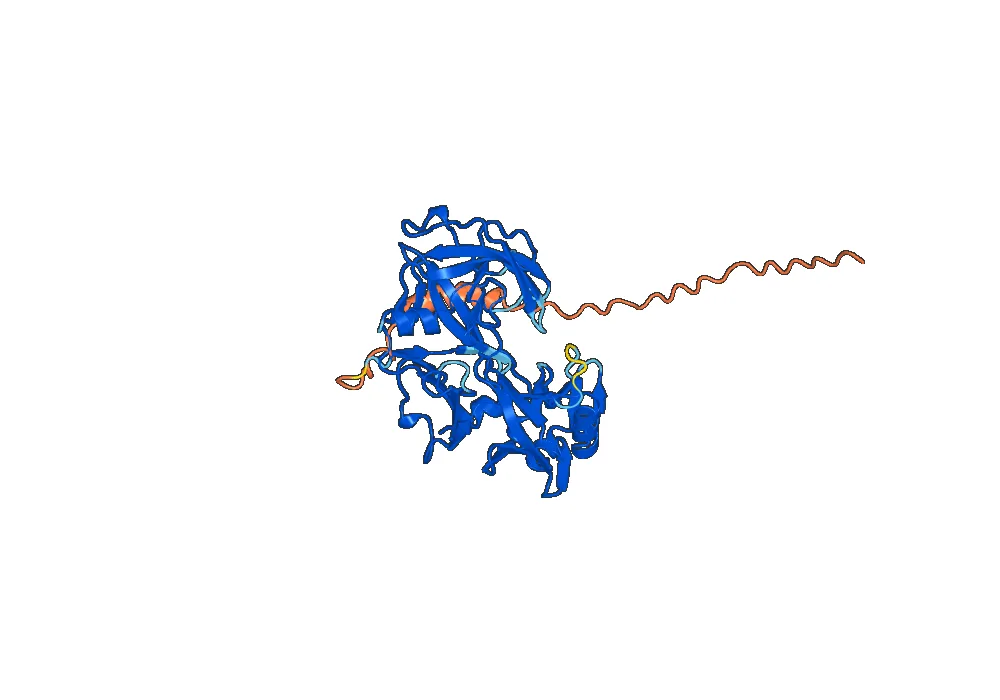
Recombinant Human PRKD2 is a 914 amino acid protein with a molecular weight of approximately 102 kDa. It consists of three domains: an N-terminal regulatory domain, a central catalytic domain, and a C-terminal regulatory domain. The N-terminal regulatory domain contains two cysteine-rich zinc fingers that are responsible for binding to phospholipids and regulating the activity of the protein. The central catalytic domain contains the ATP binding site and is responsible for the kinase activity of PRKD2. The C-terminal regulatory domain contains a hydrophobic motif that plays a crucial role in the activation of PRKD2 by other kinases.
Activity of Recombinant Human PRKD2
Recombinant Human PRKD2 is a serine/threonine kinase that is activated by various stimuli, including growth factors, hormones, and cellular stress. Upon activation, PRKD2 phosphorylates multiple substrates, including transcription factors, cytoskeletal proteins, and other kinases, leading to the regulation of various cellular processes. One of the key functions of PRKD2 is its involvement in the regulation of cell proliferation and survival. Studies have shown that PRKD2 promotes cell proliferation by activating the mitogen-activated protein kinase (MAPK) signaling pathway. Additionally, PRKD2 also plays a crucial role in cell survival by inhibiting apoptosis through the activation of the nuclear factor-kappa B (NF-κB) pathway.
Application of Recombinant Human PRKD2
Recombinant Human PRKD2 has been extensively studied in various biological and biomedical research fields, and its potential therapeutic applications are being explored. One of the major applications of PRKD2 is in cancer research. Studies have shown that PRKD2 is overexpressed in various types of cancer, including breast, prostate, and pancreatic cancer, and its overexpression is associated with increased cell proliferation and survival. Therefore, targeting PRKD2 could be a potential therapeutic strategy for the treatment of cancer. In fact, a recent study has shown that the inhibition of PRKD2 activity can reduce the growth of breast cancer cells in vitro and in vivo, highlighting its potential as a therapeutic target.
In addition to cancer research, Recombinant Human PRKD2 has also been studied in the field of cardiovascular diseases. Studies have shown that PRKD2 is involved in the regulation of cardiac hypertrophy, a major risk factor for heart failure. Inhibition of PRKD2 activity has been shown to reduce cardiac hypertrophy in animal models, suggesting its potential as a therapeutic target for the treatment of heart failure.
Furthermore, Recombinant Human PRKD2 has also been studied in the field of neurobiology. Studies have shown that PRKD2 plays a crucial role in neuronal development and synaptic plasticity, and its dysregulation has been linked to various neurological disorders, such as Alzheimer’s disease and Parkinson’s disease. Therefore, targeting PRKD2 could be a potential therapeutic strategy for the treatment of these disorders.
Conclusion
In summary, Recombinant Human PRKD2 is a crucial protein that plays a role in various cellular processes and has potential therapeutic applications in cancer, cardiovascular diseases, and neurobiology. Its structure and activity have been extensively studied, and further research on this protein could lead to the development of novel therapeutic strategies for the treatment of various diseases.



There are no reviews yet.