Introduction
Recombinant Human PIDD1, also known as p53-induced death domain protein 1, is a protein that plays a critical role in regulating cell death and survival pathways. It is a member of the death domain superfamily and is involved in the activation of caspase-2, a key enzyme in the apoptotic pathway. In this article, we will explore the structure, activity, and applications of Recombinant Human PIDD1.
Structure of Recombinant Human PIDD1
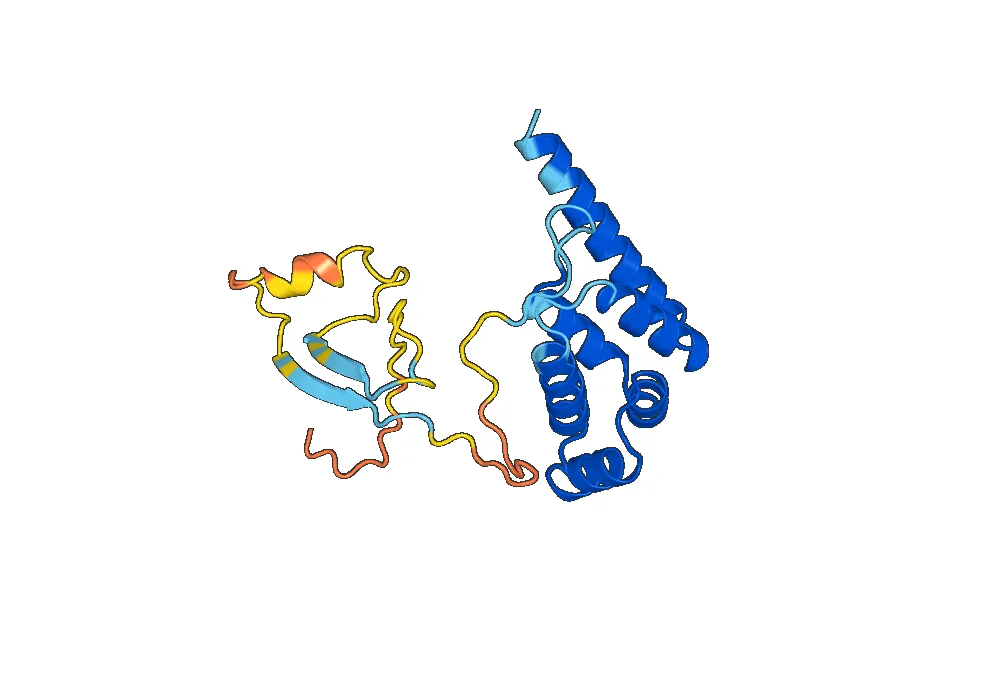
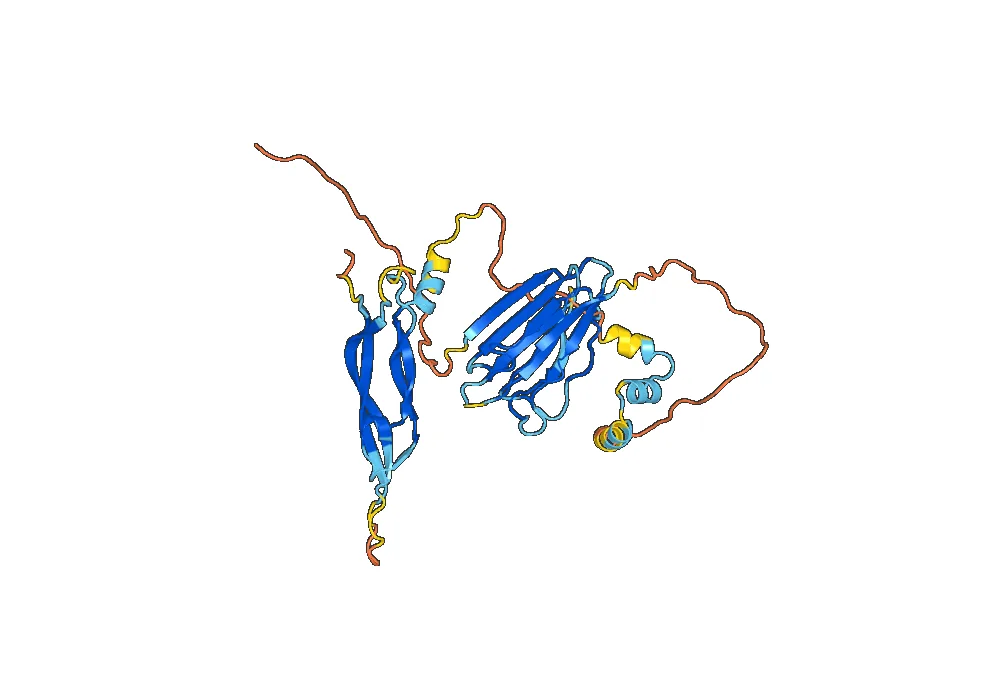
Recombinant Human PIDD1 is a 1057 amino acid protein with a molecular weight of approximately 120 kDa. It consists of several domains, including a death domain, a leucine zipper domain, a PIDDosome interaction domain, and a caspase recruitment domain. The death domain is responsible for protein-protein interactions and is essential for the activation of caspase-2. The leucine zipper domain is involved in the formation of protein complexes, while the PIDDosome interaction domain is responsible for the recruitment of other proteins to the PIDDosome complex. The caspase recruitment domain is crucial for the activation of caspase-2.
Activity of Recombinant Human PIDD1
Recombinant Human PIDD1 is a key regulator of cell death and survival pathways. It is activated in response to DNA damage or other cellular stresses and plays a critical role in the induction of apoptosis. Upon activation, PIDD1 forms a complex with its binding partners, RAIDD and PIDDosome, which then recruits and activates caspase-2. Activated caspase-2, in turn, triggers a cascade of events that ultimately leads to cell death. This process is important for maintaining cellular homeostasis and preventing the growth of damaged or abnormal cells.
Applications of Recombinant Human PIDD1
Recombinant Human PIDD1 has various applications in the field of research and medicine. One of its primary uses is in studying the mechanisms of cell death and survival. Its role in the activation of caspase-2 makes it an essential protein for understanding the apoptotic pathway and its dysregulation in diseases such as cancer. Recombinant Human PIDD1 is also used in drug discovery and development, as targeting this protein could lead to the development of novel therapies for cancer and other diseases.
Another potential application of Recombinant Human PIDD1 is in diagnostic testing. The PIDDosome complex, which includes PIDD1, has been found to be overexpressed in certain types of cancer, making it a potential biomarker for early detection and diagnosis. Recombinant Human PIDD1 can be used in diagnostic assays to detect the presence of PIDDosome in patient samples, allowing for the early detection and treatment of cancer.
Furthermore, Recombinant Human PIDD1 has been studied for its potential as a therapeutic target. Inhibitors of PIDD1 have been developed and tested in preclinical studies for their ability to block the activation of caspase-2 and promote cell survival. This could have significant implications for the treatment of diseases where cell death is dysregulated, such as neurodegenerative disorders.
Conclusion
In summary, Recombinant Human PIDD1 is a critical protein involved in regulating cell death and survival pathways. Its structure, activity, and applications have been extensively studied, and it has shown potential as a therapeutic target and diagnostic biomarker. Further research on this protein and its interactions could lead to the development of new treatments for diseases such as cancer and neurodegenerative disorders.

There are no reviews yet.