Introduction
Recombinant Human ACVRL1/ALK-1 Protein, also known as Activin Receptor-Like Kinase 1 (ALK-1), is a type I cell surface receptor belonging to the TGF-β superfamily. It is encoded by the ACVRL1 gene and is expressed in various tissues, including the endothelium, smooth muscle cells, and hematopoietic cells. The protein plays a crucial role in regulating cell growth, differentiation, and angiogenesis, making it a valuable tool in both research and therapeutic applications.
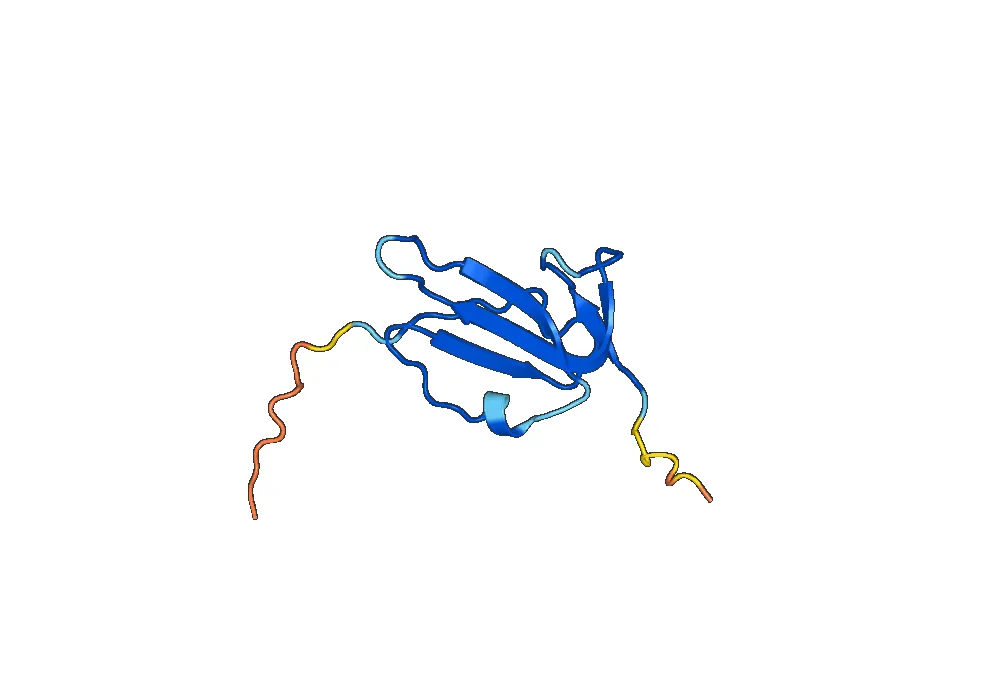
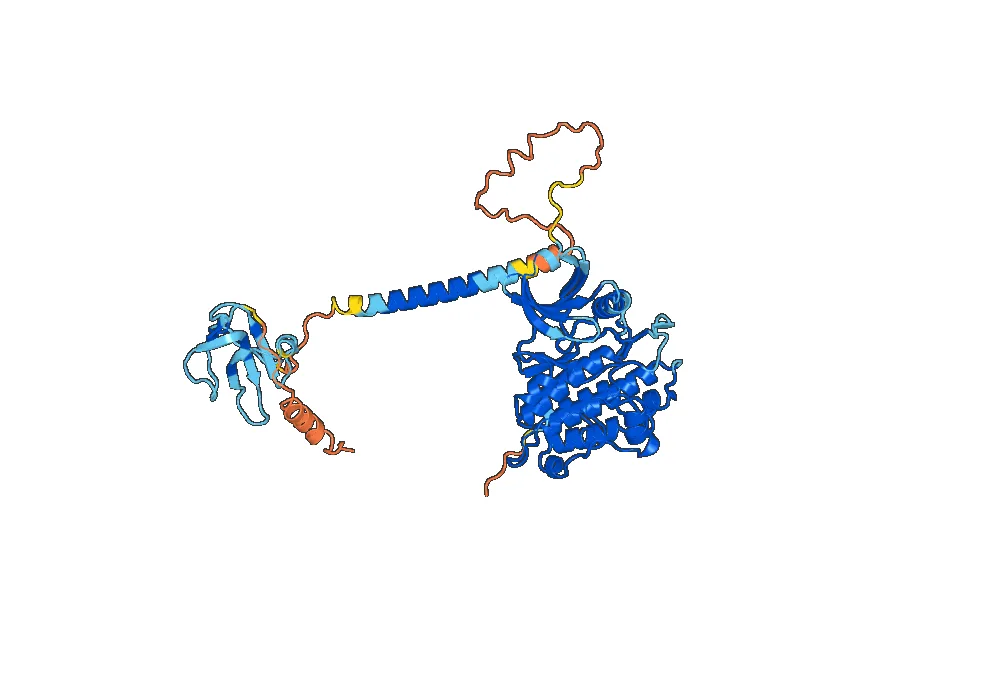
Structure of Recombinant Human ACVRL1/ALK-1 Protein
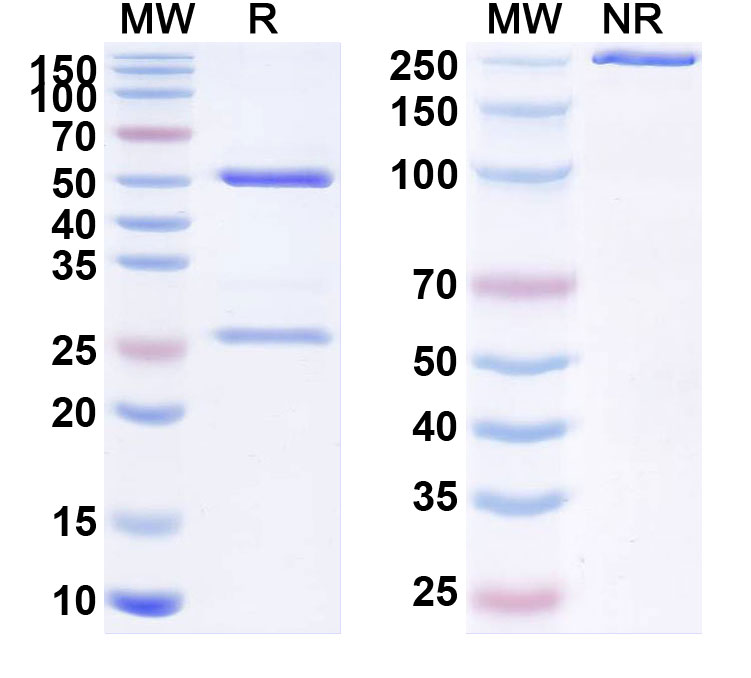
The recombinant form of ACVRL1/ALK-1 protein is produced through genetic engineering techniques, using human cells as hosts. It is a homodimer consisting of two identical subunits, each with a molecular weight of approximately 60 kDa. The protein contains a large extracellular domain, a transmembrane domain, and an intracellular domain with serine/threonine kinase activity. The extracellular domain is responsible for ligand binding, while the intracellular domain is involved in signal transduction.
Activity of Recombinant Human ACVRL1/ALK-1 Protein
The main function of ACVRL1/ALK-1 protein is to mediate the signaling of TGF-β superfamily ligands, including bone morphogenetic proteins (BMPs) and activins. Upon ligand binding, the protein undergoes conformational changes, leading to the activation of its kinase domain. This, in turn, triggers downstream signaling pathways, such as the SMAD pathway, resulting in the regulation of gene expression. The activity of ACVRL1/ALK-1 protein is essential for various cellular processes, including cell proliferation, differentiation, and migration.
Application of Recombinant Human ACVRL1/ALK-1 Protein
The recombinant form of ACVRL1/ALK-1 protein has a wide range of applications in both research and therapeutic settings. Some of the key applications include:
1. Research Tool
Recombinant Human ACVRL1/ALK-1 Protein is widely used as a research tool to study the role of TGF-β superfamily signaling in various cellular processes. It can be used to investigate the function of ACVRL1/ALK-1 protein in different cell types and its interaction with ligands and other signaling molecules. The protein can also be used to screen for potential inhibitors or activators of the ACVRL1/ALK-1 signaling pathway.
2. Therapeutic Target
Due to its critical role in angiogenesis, ACVRL1/ALK-1 protein has emerged as a potential therapeutic target for various diseases, including cancer and cardiovascular disorders. Inhibitors of ACVRL1/ALK-1 signaling have been shown to inhibit tumor growth and metastasis, making them promising candidates for cancer treatment. In cardiovascular disorders, targeting ACVRL1/ALK-1 signaling can help regulate blood vessel formation and prevent diseases such as pulmonary arterial hypertension and hereditary hemorrhagic telangiectasia.
3. Diagnostic Marker
Mutations in the ACVRL1 gene have been linked to hereditary hemorrhagic telangiectasia, a rare genetic disorder characterized by abnormal blood vessel formation. Recombinant Human ACVRL1/ALK-1 Protein can be used as a diagnostic marker to detect these mutations and aid in the diagnosis of this disorder. Additionally, the protein can also be used as a biomarker for angiogenesis-related diseases, as its expression is upregulated in various types of cancer.
4. Vaccine Development
Recombinant Human ACVRL1/ALK-1 Protein has also been investigated as a potential vaccine candidate for cancer immunotherapy. Studies have

There are no reviews yet.