Recombinant Human MSRB3 Protein, also known as Methionine Sulfoxide Reductase B3, is a key enzyme involved in the regulation of oxidative stress and protein repair mechanisms in the human body. This protein is encoded by the MSRB3 gene and is a member of the Methionine Sulfoxide Reductase (MSR) family. It plays a crucial role in maintaining cellular homeostasis and protecting cells from oxidative damage. In this article, we will explore the structure, activity, and applications of Recombinant Human MSRB3 Protein.
Structure of Recombinant Human MSRB3 Protein
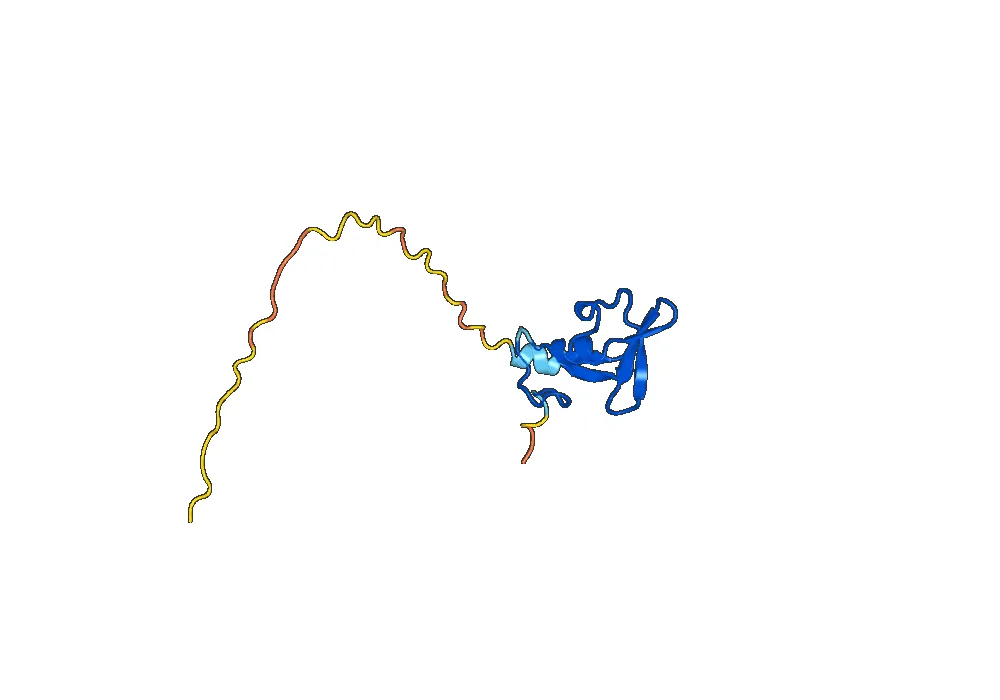
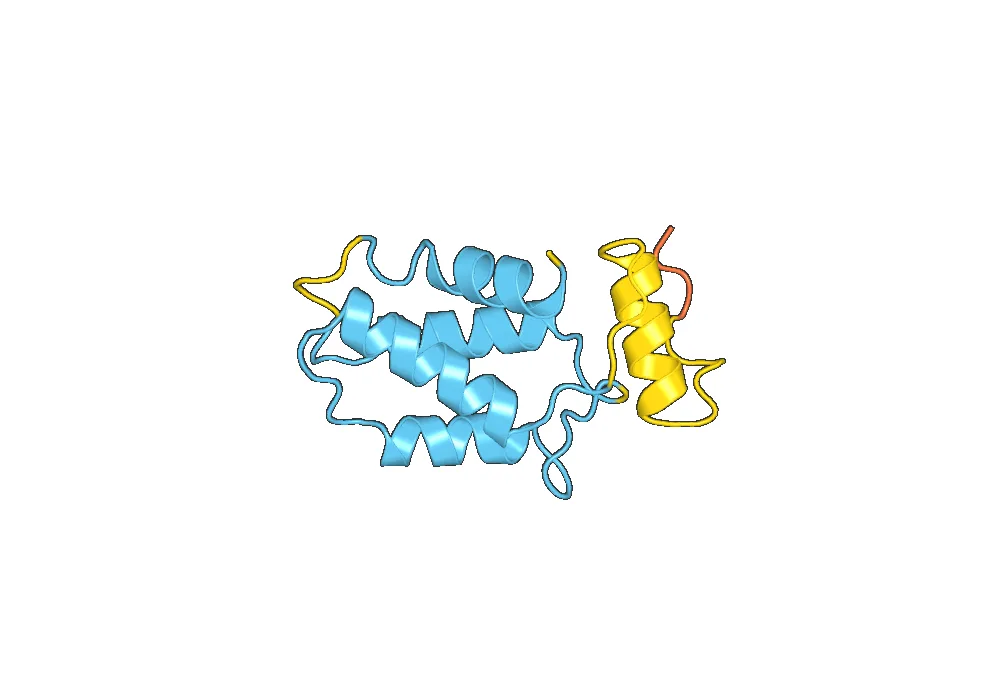
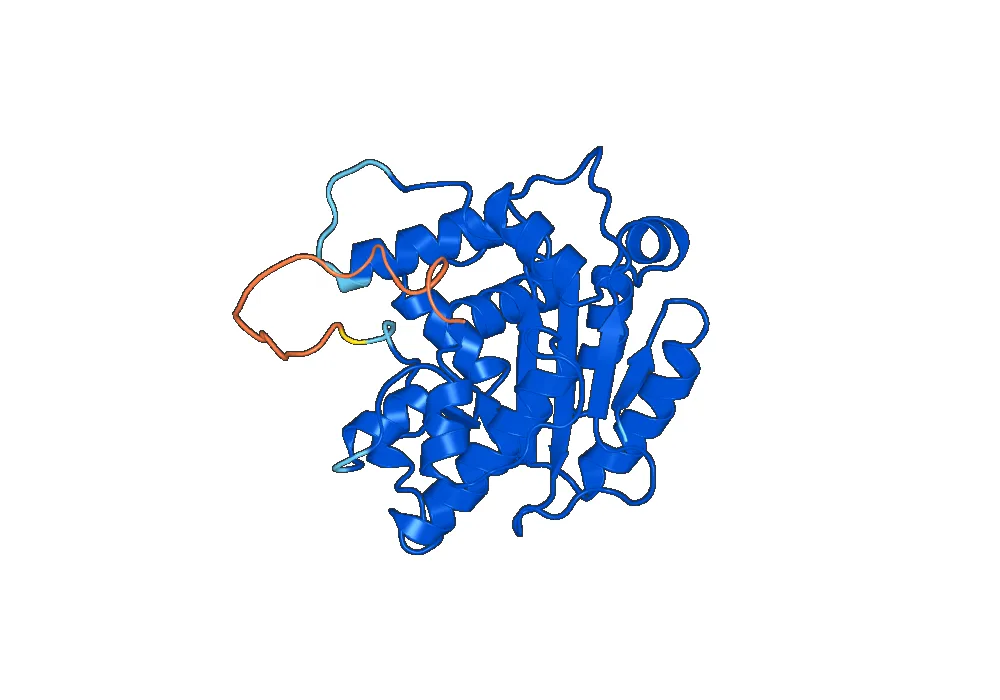
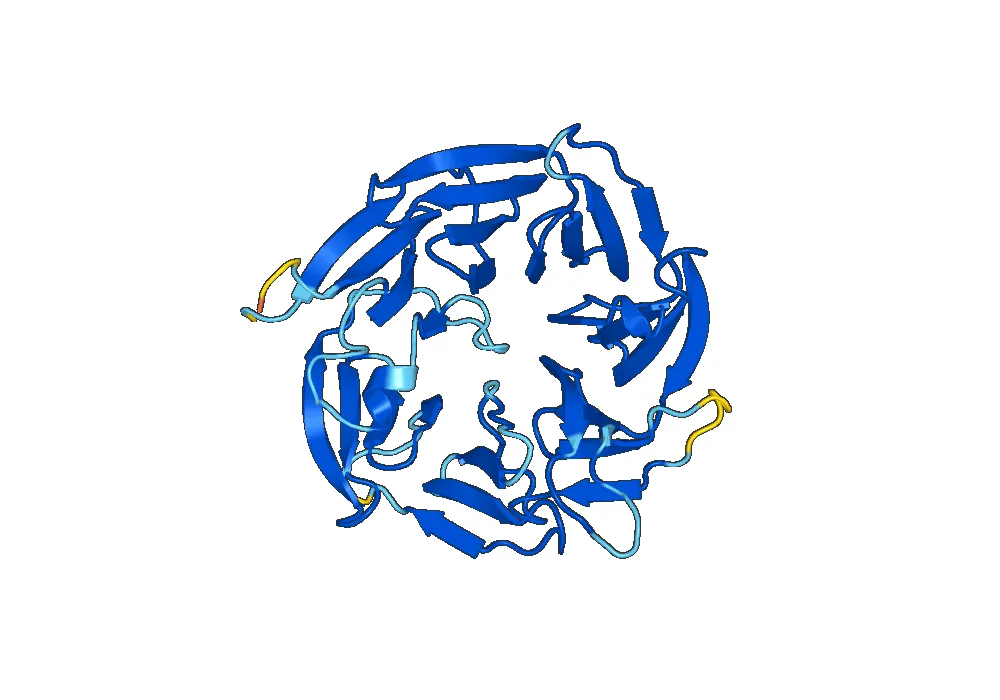
Recombinant Human MSRB3 Protein is a 190 amino acid protein with a molecular weight of approximately 22 kDa. It contains a conserved catalytic domain, which is responsible for its enzymatic activity. The protein also has a conserved C-terminal domain, which is involved in its interaction with other proteins and its subcellular localization. MSRB3 is predominantly found in the cytoplasm, but it can also be found in the nucleus and mitochondria.
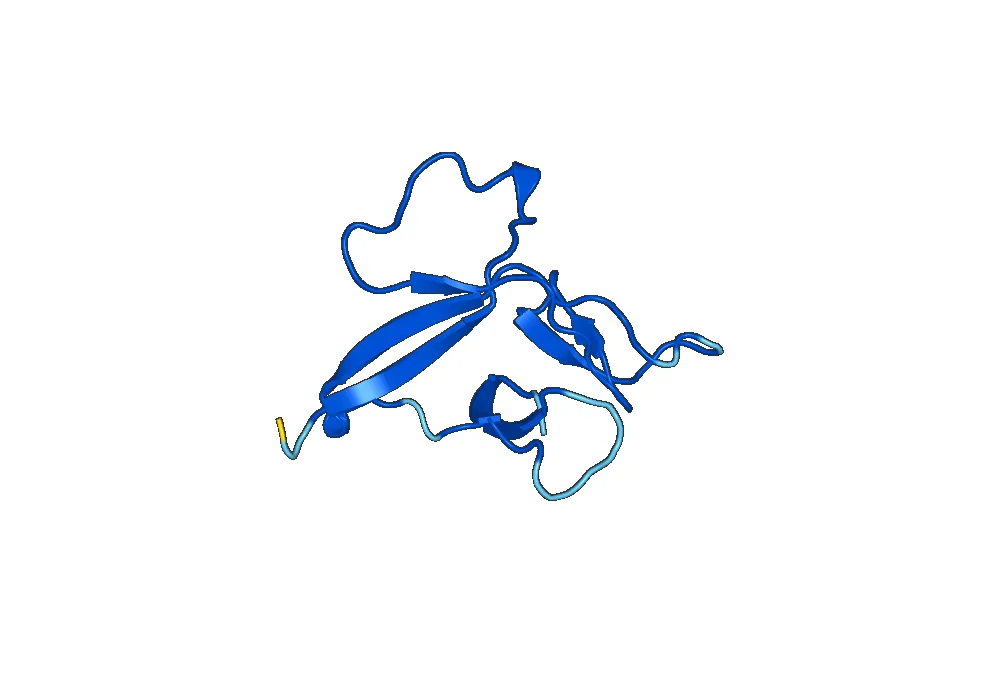
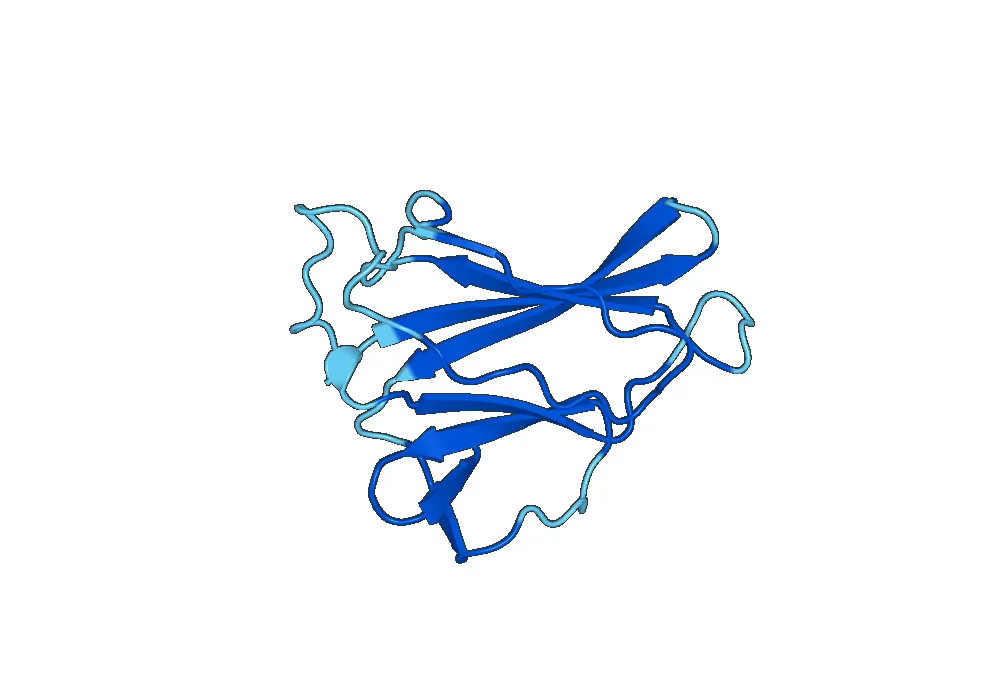
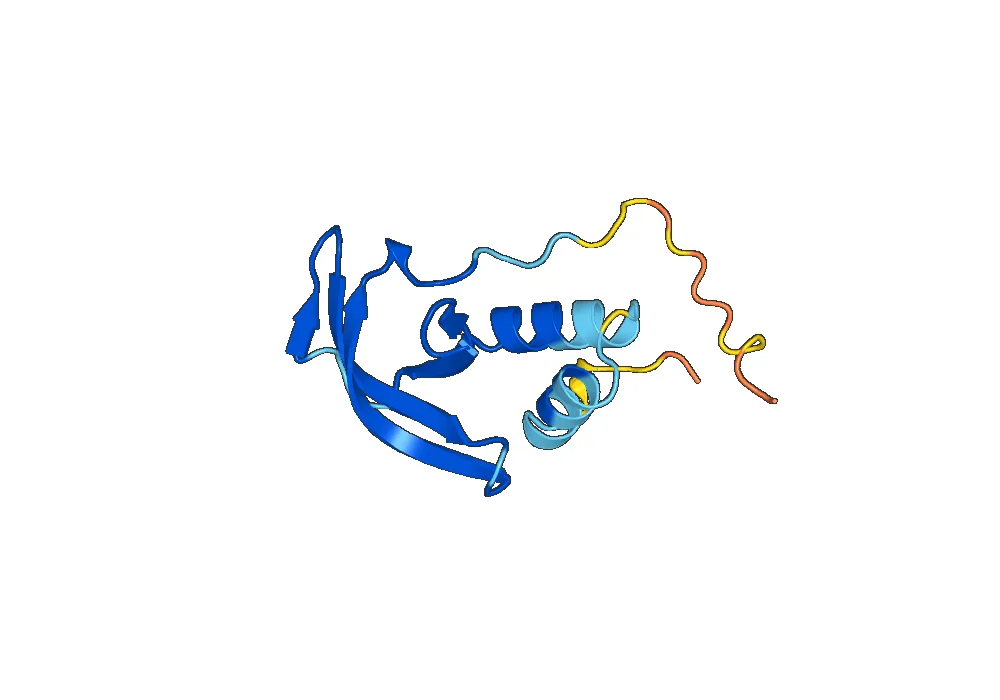
Structurally, MSRB3 is a dimer, with each monomer containing a catalytic site that is responsible for the reduction of methionine sulfoxide to methionine. The dimeric structure of MSRB3 is essential for its enzymatic activity, as it allows for efficient substrate binding and catalysis. The protein also contains several conserved cysteine residues, which are important for its stability and redox regulation.
Activity of Recombinant Human MSRB3 Protein
The main function of Recombinant Human MSRB3 Protein is to repair oxidatively damaged proteins. During oxidative stress, reactive oxygen species (ROS) can oxidize methionine residues in proteins, leading to their dysfunction and degradation. MSRB3 acts as a scavenger of ROS by reducing methionine sulfoxide back to its reduced form, methionine. This process restores the functionality of the damaged proteins and helps maintain cellular homeostasis.
In addition to its role in protein repair, MSRB3 also has anti-inflammatory properties. It has been shown to regulate the expression of pro-inflammatory cytokines and chemokines, thereby reducing inflammation in various disease conditions. MSRB3 also plays a role in regulating cellular signaling pathways, such as the MAPK and NF-κB pathways, which are involved in cell growth, survival, and apoptosis.
Applications of Recombinant Human MSRB3 Protein
The unique properties of Recombinant Human MSRB3 Protein make it a valuable tool in various research and therapeutic applications. One of its primary applications is in the study of oxidative stress and protein repair mechanisms. Researchers can use recombinant MSRB3 protein to investigate the role of this enzyme in different cellular processes and disease conditions.
Recombinant Human MSRB3 Protein also has potential therapeutic applications. Its anti-inflammatory properties make it a promising candidate for the treatment of inflammatory diseases, such as rheumatoid arthritis, atherosclerosis, and neurodegenerative diseases. Additionally, MSRB3 has been linked to age-related diseases, such as Alzheimer’s and Parkinson’s, and its potential as a therapeutic target is currently being explored.
In conclusion, Recombinant Human MSRB3 Protein is a vital enzyme involved in maintaining cellular homeostasis and protecting cells from oxidative damage. Its unique structure and activity make it a valuable tool in research and a potential therapeutic target for various diseases. Further studies on this protein will undoubtedly uncover more of its functions and potential applications in the future.
Keywords:
- Recombinant protein
- Antigen
- Methionine Sulfoxide Reductase B3
- Oxidative stress


There are no reviews yet.