Introduction to Recombinant Human MSH2 Protein
Recombinant proteins are synthetic proteins that are produced in a laboratory using genetic engineering techniques. These proteins have become an important tool in various fields of research and medicine due to their high purity, specificity, and activity. One such recombinant protein is the human MutS homolog 2 (MSH2) protein, which plays a crucial role in DNA repair and maintenance of genomic stability. In this article, we will discuss the structure, activity, and applications of recombinant human MSH2 protein.
Structure of Recombinant Human MSH2 Protein
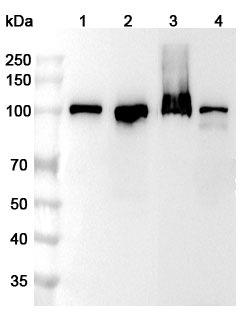
The MSH2 protein is a member of the MutS family of proteins, which are involved in DNA mismatch repair. It is a 100 kDa protein that consists of 934 amino acids. The recombinant human MSH2 protein is produced by cloning the MSH2 gene into an expression vector and introducing it into a suitable host cell, such as E. coli. The protein is then purified using various chromatography techniques, resulting in a highly pure and active protein.
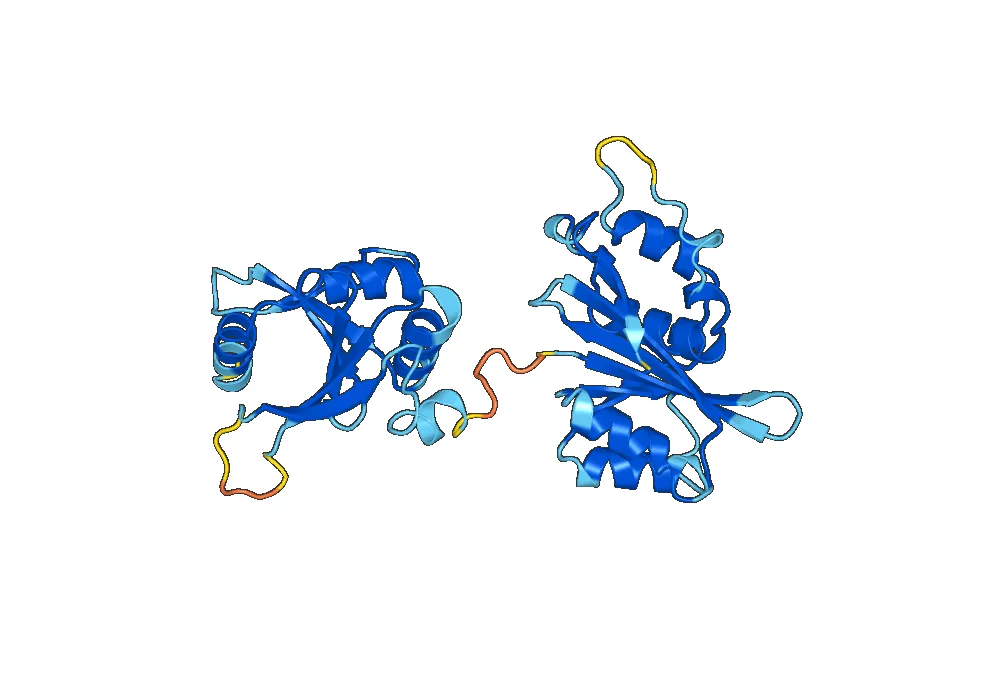
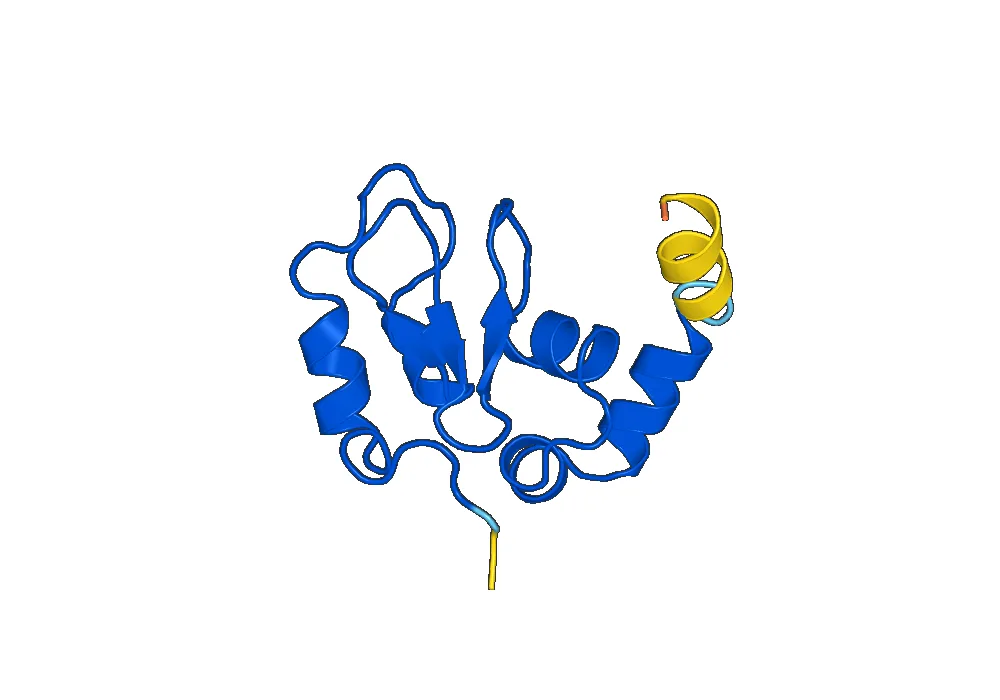
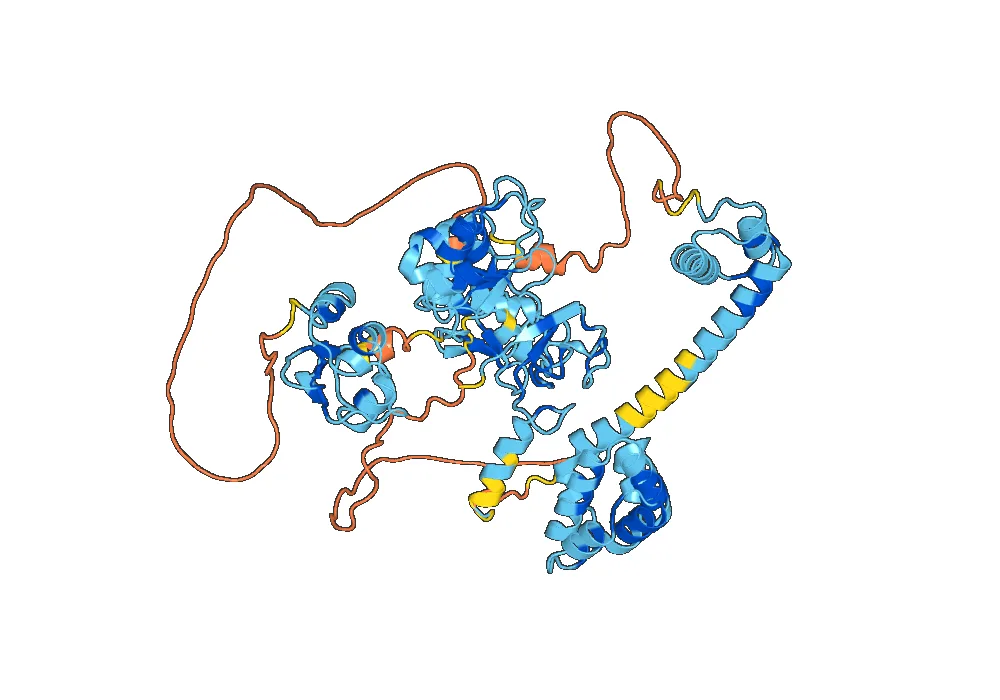
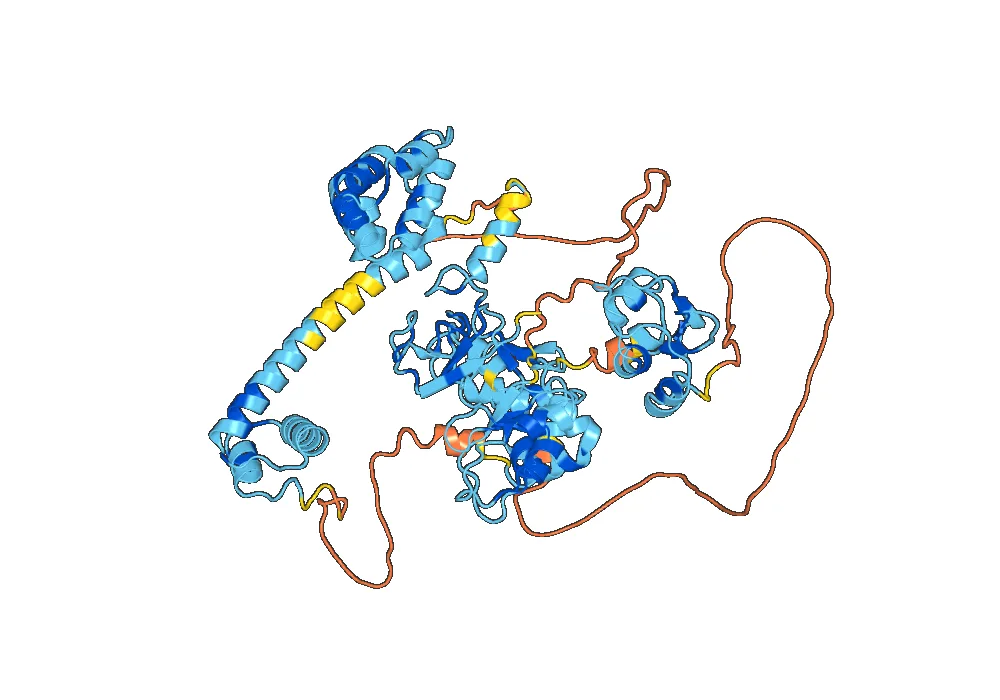
The crystal structure of human MSH2 protein has been determined, revealing that it consists of multiple domains, including a DNA binding domain, a dimerization domain, and an ATPase domain. These domains play a crucial role in the protein’s function and interaction with other proteins involved in DNA repair. The recombinant MSH2 protein maintains the same structural features as the native protein, making it an ideal tool for studying its function and interactions.
Activity of Recombinant Human MSH2 Protein
The main function of MSH2 protein is to recognize and bind to mismatched DNA base pairs, which can occur due to errors during DNA replication or exposure to mutagens. This binding triggers a series of events that lead to the recruitment of other proteins, resulting in the repair of the mismatched DNA. The recombinant MSH2 protein has been shown to have similar activity to the native protein, making it a valuable tool for studying the mechanisms of DNA repair.
In addition to its role in DNA repair, MSH2 protein also plays a crucial role in maintaining genomic stability. Mutations in the MSH2 gene have been linked to hereditary non-polyposis colorectal cancer (HNPCC), a condition characterized by an increased risk of developing colorectal and other types of cancer. The recombinant MSH2 protein has been used to study the effects of these mutations on the protein’s function, providing valuable insights into the development of HNPCC.
Applications of Recombinant Human MSH2 Protein
The recombinant MSH2 protein has a wide range of applications in both research and medicine. It is commonly used as an antigen in antibody production for studying the protein’s structure and function. It has also been used in various biochemical assays to study its interactions with other proteins involved in DNA repair.
One of the most promising applications of recombinant MSH2 protein is in cancer therapy. As mentioned earlier, mutations in the MSH2 gene have been linked to HNPCC, making the protein a potential target for cancer treatment. Recombinant MSH2 protein has been used in drug discovery and development to identify compounds that can inhibit the protein’s activity, thereby preventing the growth and spread of cancer cells.
Conclusion
Recombinant human MSH2 protein is a valuable tool in scientific research and has various applications in both basic and applied fields. Its well-characterized structure, activity, and role in maintaining genomic stability make it an ideal protein for studying DNA repair mechanisms and developing new cancer treatments. With ongoing advancements in genetic engineering techniques, the use of recombinant proteins like MSH2 is expected to continue to grow in the future.

There are no reviews yet.