Introduction
Recombinant Human BIRC2 Protein, also known as Baculoviral IAP Repeat Containing 2, is a protein that plays a crucial role in regulating apoptosis, or programmed cell death. This protein is produced through the process of recombinant protein technology, which involves the insertion of a specific gene into a host organism, such as bacteria or yeast, to produce large quantities of a desired protein. Recombinant Human BIRC2 Protein has been extensively studied and has shown promising potential in various applications, making it a valuable tool in scientific research and medical treatments.
Structure of Recombinant Human BIRC2 Protein
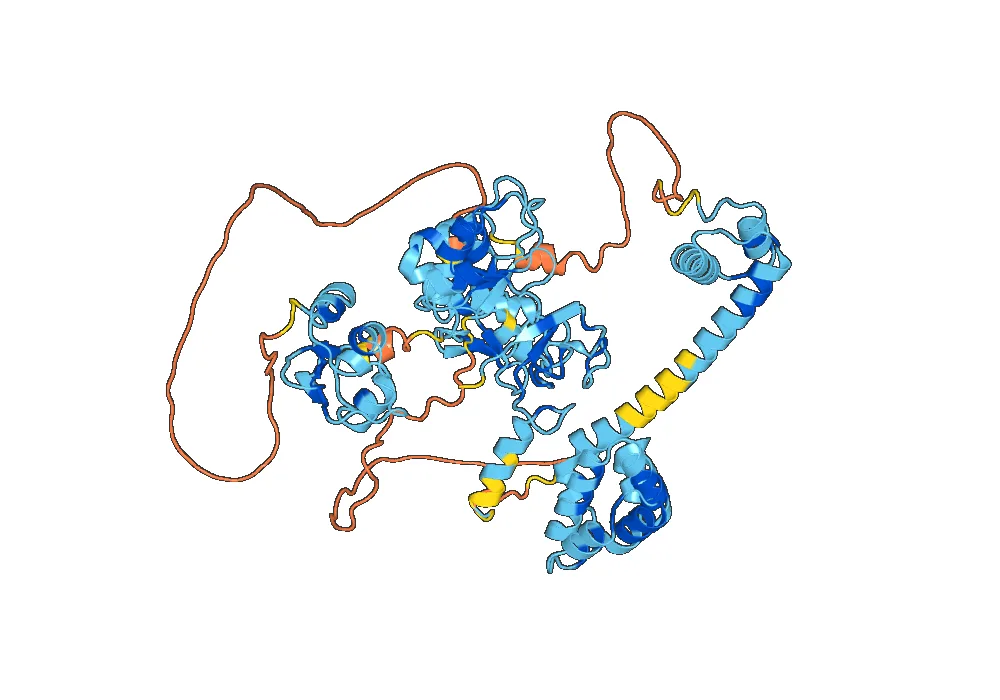
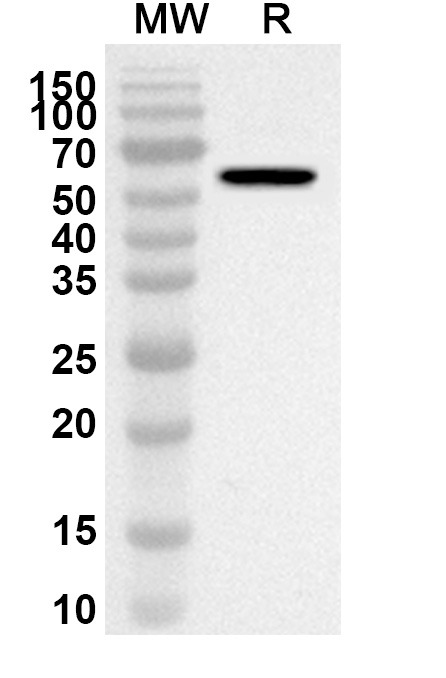
Recombinant Human BIRC2 Protein is composed of 618 amino acids, with a molecular weight of approximately 70 kDa. It contains three baculoviral IAP repeat (BIR) domains, a ubiquitin-conjugating enzyme (E2) binding domain, and a RING finger domain. These domains allow the protein to interact with various proteins and regulate their functions.
The BIR domains are responsible for the anti-apoptotic activity of Recombinant Human BIRC2 Protein. They bind to and inhibit caspases, which are enzymes that play a crucial role in the initiation and execution of apoptosis. The E2 binding domain allows the protein to interact with E2 enzymes, which are involved in the ubiquitin-proteasome pathway, a key mechanism for protein degradation. The RING finger domain acts as an E3 ubiquitin ligase, facilitating the transfer of ubiquitin molecules to target proteins for degradation.
Activity of Recombinant Human BIRC2 Protein
The main function of Recombinant Human BIRC2 Protein is to inhibit apoptosis by blocking the activity of caspases. This activity is crucial for the survival and growth of cells, as it prevents the unnecessary death of healthy cells. However, this protein also has other important activities that have been discovered through research.
One such activity is its role in regulating the NF-κB signaling pathway. Recombinant Human BIRC2 Protein has been shown to interact with and activate the inhibitor of κB kinase (IKK) complex, which leads to the activation of NF-κB. NF-κB is a transcription factor that plays a critical role in immune responses, inflammation, and cell survival. Therefore, Recombinant Human BIRC2 Protein is involved in the regulation of various cellular processes through its interaction with the NF-κB pathway.
Applications of Recombinant Human BIRC2 Protein
Recombinant Human BIRC2 Protein has numerous applications in scientific research and medical treatments. One of its main uses is in the study of apoptosis and its role in various diseases. By inhibiting caspases, this protein can be used to investigate the mechanisms of cell death and identify potential therapeutic targets for diseases such as cancer and neurodegenerative disorders.
In addition, Recombinant Human BIRC2 Protein has shown promise in the treatment of certain diseases. For example, it has been used in gene therapy to protect cells from apoptosis during the production of viral vectors for gene delivery. It has also been studied for its potential as a therapeutic target in cancer, as its overexpression has been linked to tumor progression and resistance to chemotherapy.
Furthermore, the NF-κB regulatory activity of Recombinant Human BIRC2 Protein has been utilized in the development of anti-inflammatory drugs. By inhibiting the activity of this protein, it is possible to reduce the production of pro-inflammatory cytokines, which are involved in various inflammatory diseases.
Conclusion
Recombinant Human BIRC2 Protein is a valuable tool in scientific research and has shown promising potential in various applications. Its unique structure and activities make it a crucial player in the regulation of apoptosis and other cellular processes. With ongoing research, this protein may hold even more promise for the development of new treatments for diseases and further understanding of cellular functions.
There are no reviews yet.