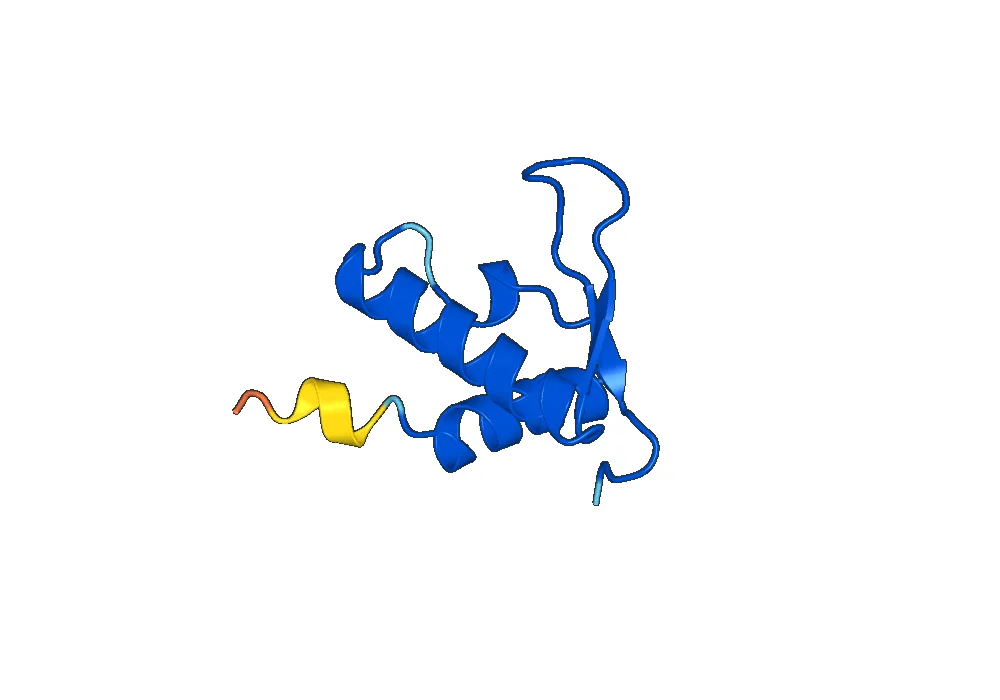
Structure of Recombinant Human MDK/Midkine Protein
Recombinant Human MDK/Midkine Protein, also known as MDK, is a small heparin-binding growth factor that is encoded by the MDK gene. It belongs to the pleiotropic cytokine family and is composed of 121 amino acids with a molecular weight of approximately 13 kDa. The protein is highly conserved among species, with 90% homology between human and mouse MDK.
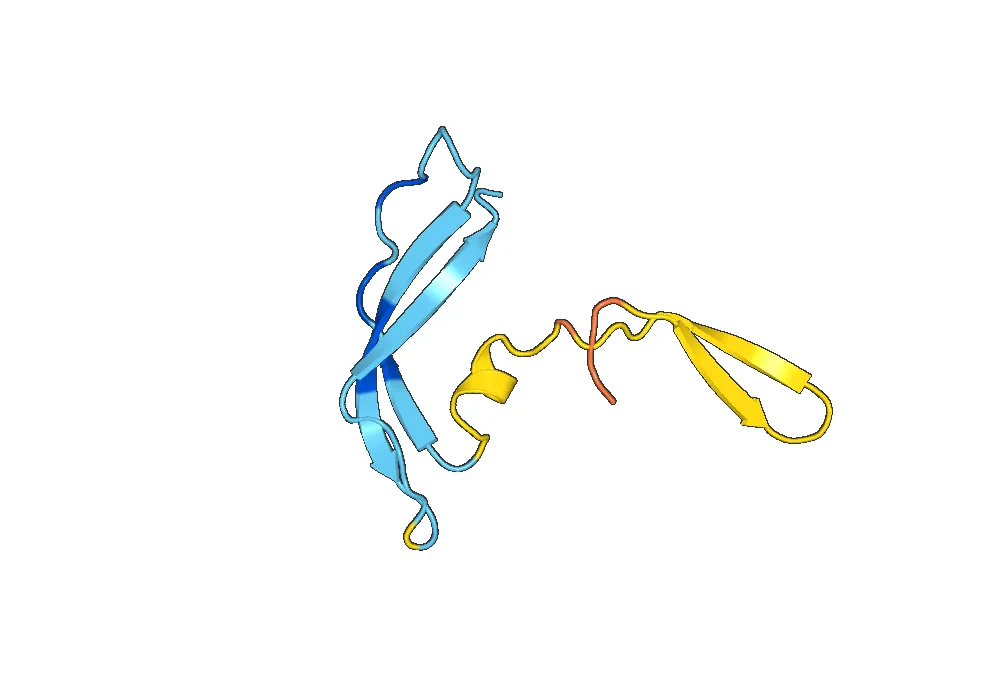
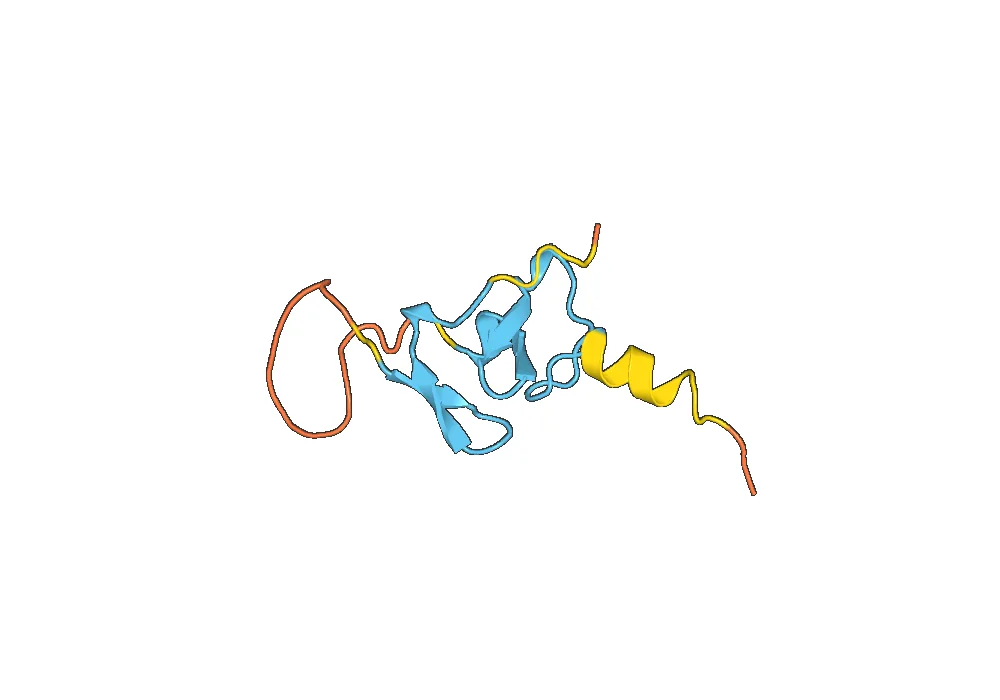
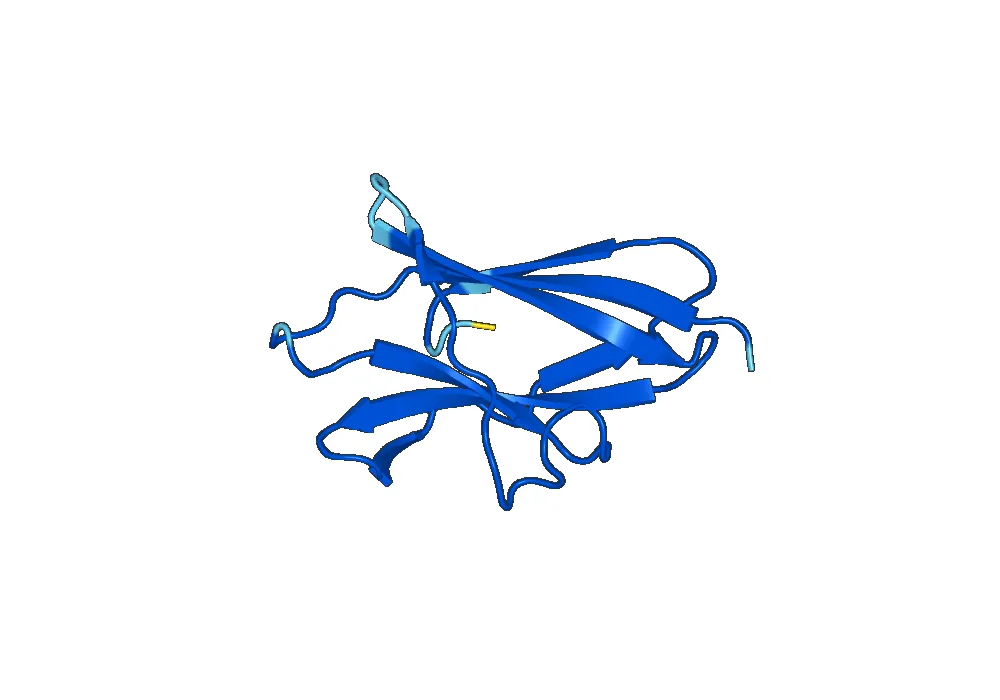
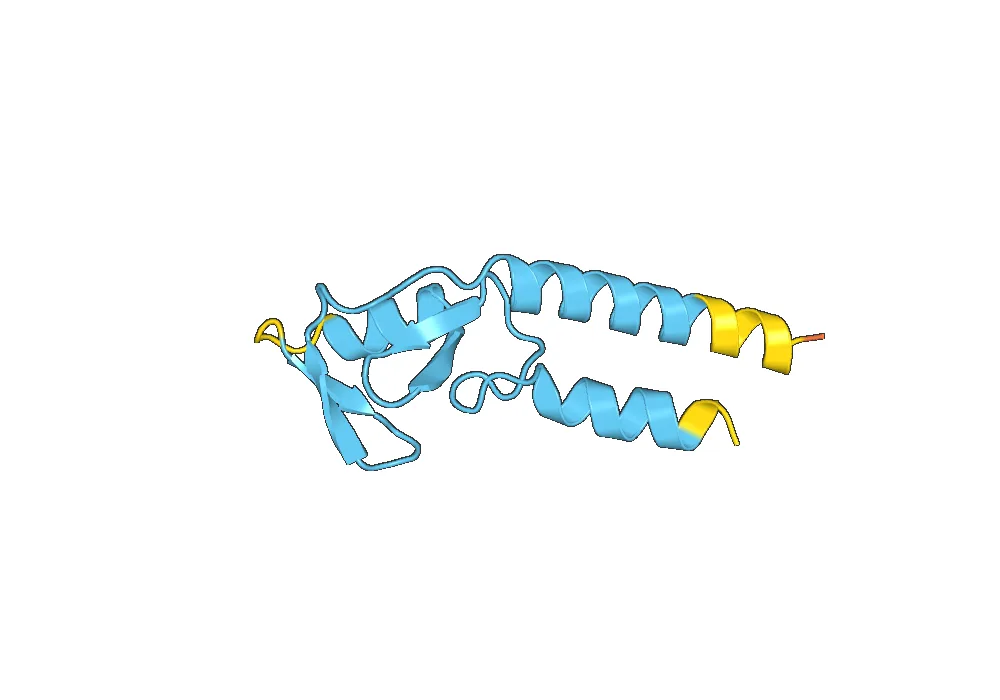
MDK is a homodimer, meaning it is made up of two identical subunits held together by disulfide bonds. Each subunit contains three distinct domains: an N-terminal domain, a central domain, and a C-terminal domain. The N-terminal domain is responsible for the heparin-binding activity of MDK, while the central domain is involved in receptor binding. The C-terminal domain is thought to play a role in the protein’s stability and secretion.
Activity of Recombinant Human MDK/Midkine Protein
MDK is a multifunctional protein that has been shown to have a wide range of biological activities. It acts as a growth factor, promoting cell proliferation and survival, and also has anti-apoptotic properties. MDK is involved in various physiological and pathological processes, such as embryonic development, wound healing, and tumorigenesis.
One of the key activities of MDK is its ability to bind to and activate several cell surface receptors, including the receptor tyrosine kinase anaplastic lymphoma kinase (ALK) and the low-density lipoprotein receptor-related protein (LRP). This activates various signaling pathways, such as the MAPK and PI3K/Akt pathways, leading to the stimulation of cell growth and survival.
In addition to its role as a growth factor, MDK also has anti-inflammatory properties. It has been shown to inhibit the production of pro-inflammatory cytokines and chemokines, and to promote the production of anti-inflammatory cytokines. This makes it a potential therapeutic target for inflammatory diseases.
Application of Recombinant Human MDK/Midkine Protein
The wide range of activities exhibited by MDK makes it a promising candidate for various therapeutic applications. One of the main applications of recombinant human MDK protein is in tissue regeneration and wound healing. Studies have shown that MDK promotes tissue repair and regeneration by stimulating the proliferation and migration of various cell types, such as endothelial cells and fibroblasts.
MDK has also been studied as a potential treatment for various diseases, including cancer. It has been shown to promote tumor growth and metastasis in some types of cancer, such as lung and breast cancer. However, in other types of cancer, such as neuroblastoma and melanoma, MDK has been found to have anti-tumor effects. This suggests that MDK may have a dual role in cancer progression, and further research is needed to fully understand its potential as a therapeutic target for cancer.
In addition to its role in tissue regeneration and cancer, MDK has also been studied for its potential in treating neurological disorders. It has been shown to have neuroprotective effects in various models of neurodegenerative diseases, such as Alzheimer’s and Parkinson’s disease. MDK has also been found to promote the growth and survival of neurons, making it a potential treatment for nerve injuries and diseases.
In conclusion, recombinant human MDK/Midkine protein is a multifunctional protein with a diverse range of activities. Its structure, activity, and potential applications make it a promising candidate for various therapeutic purposes, including tissue regeneration, cancer treatment, and neurological disorders. Further research is needed to fully understand the mechanisms of action of MDK and its potential as a therapeutic target.


There are no reviews yet.