Introduction to Recombinant Human IL16 Protein
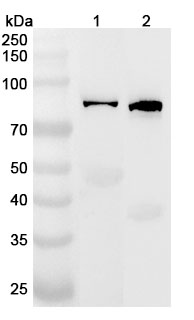
Recombinant Human IL16 Protein, also known as interleukin-16, is a cytokine that plays a crucial role in the immune system. It is a small protein with a molecular weight of approximately 14 kDa and is encoded by the IL16 gene located on chromosome 15 in humans. IL16 was first identified as a chemoattractant for CD4+ T cells and has since been found to have multiple functions in both the innate and adaptive immune responses. In this article, we will explore the structure, activity, and applications of Recombinant Human IL16 Protein.
Structure of Recombinant Human IL16 Protein
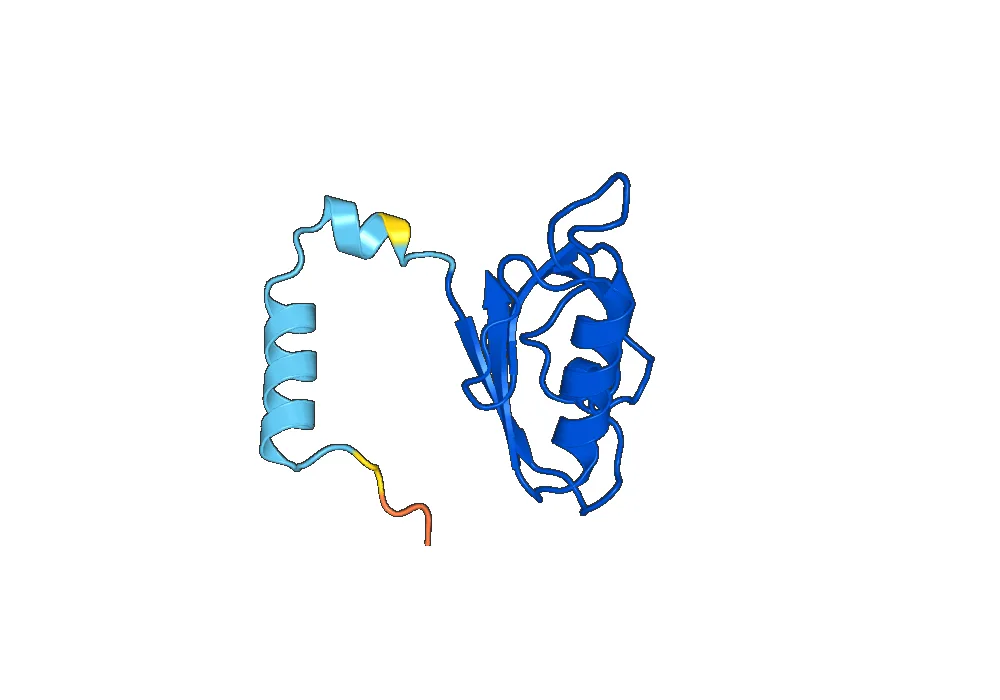
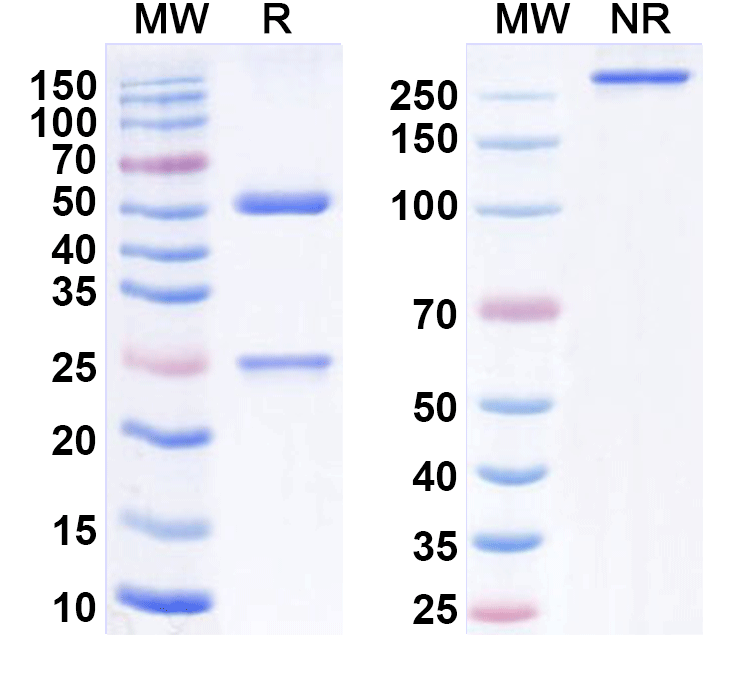
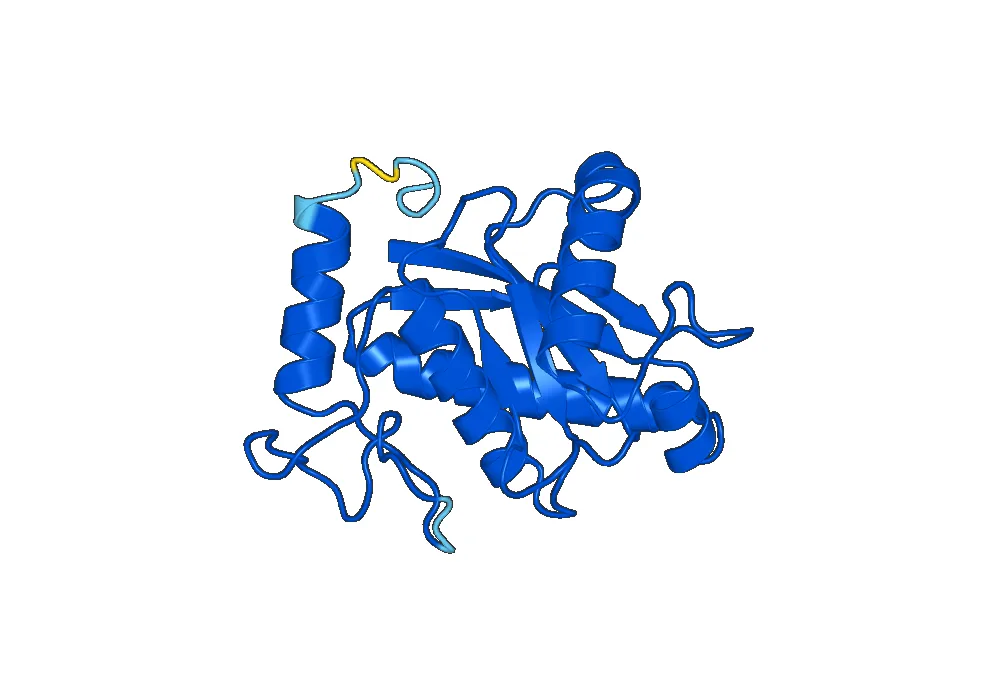
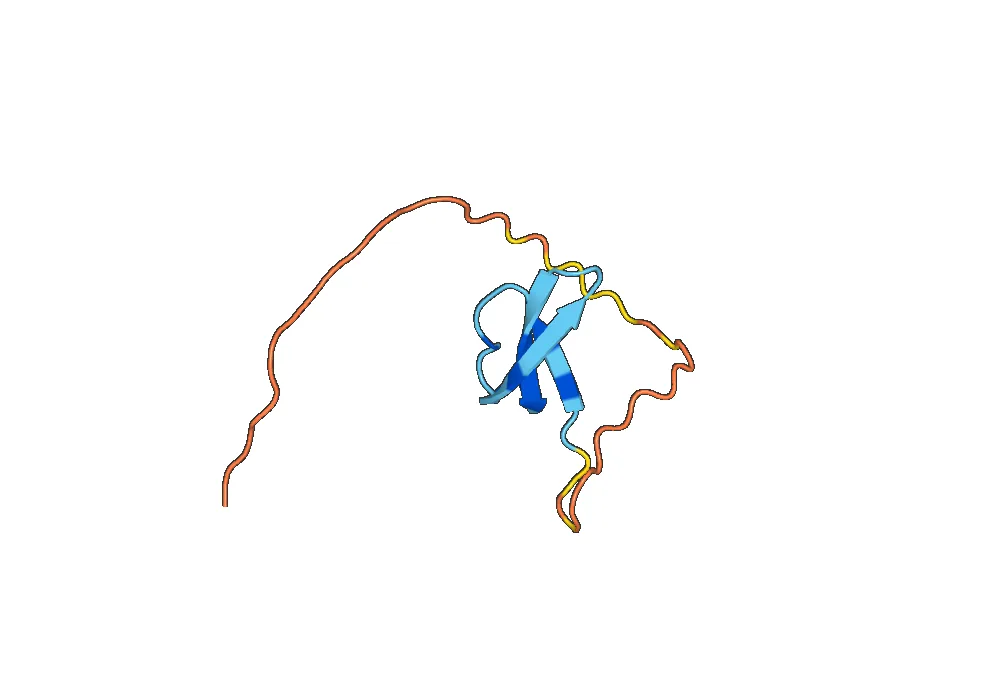
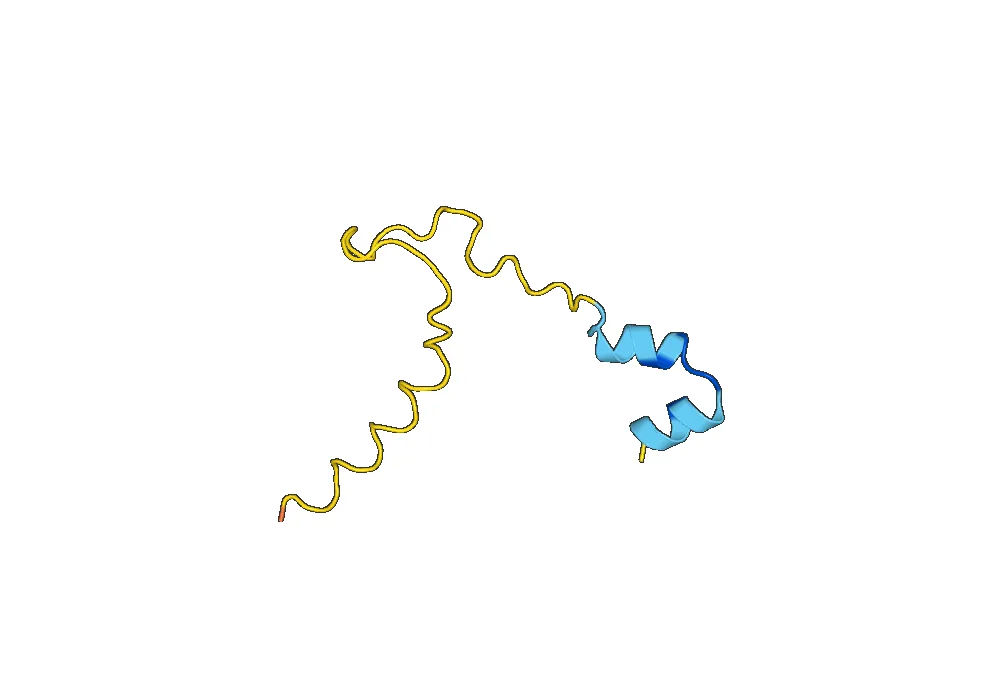
Recombinant Human IL16 Protein is produced by recombinant DNA technology, where the gene encoding IL16 is cloned into a suitable expression vector and then expressed in a host cell. The resulting protein is a homodimer consisting of two identical subunits, each containing 130 amino acids. The primary structure of IL16 is highly conserved among different species, with human and mouse IL16 sharing 75% sequence identity.
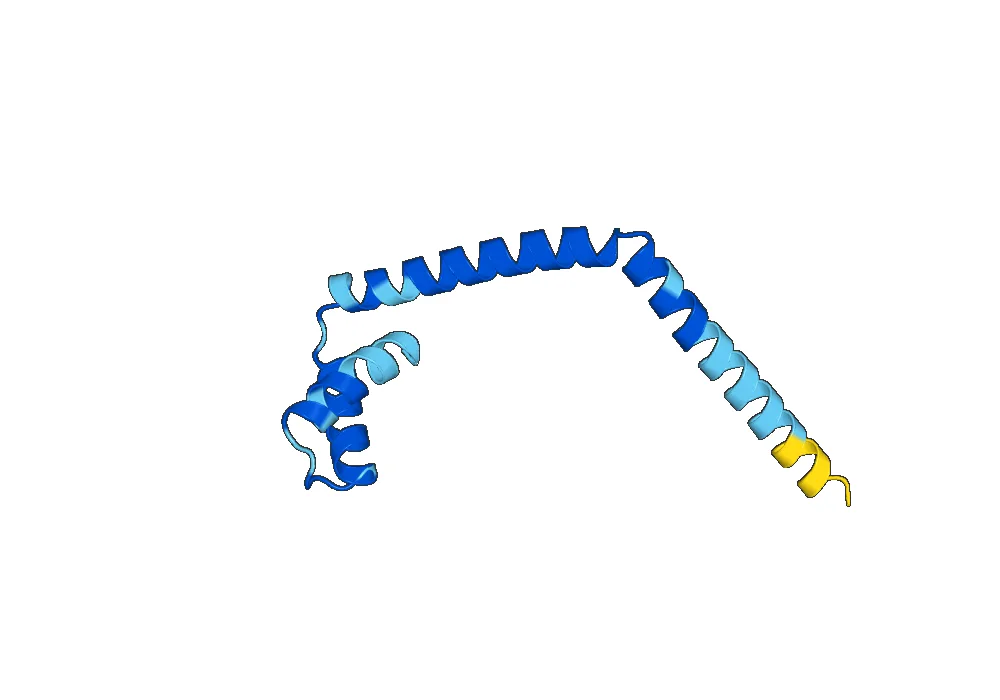
The secondary structure of IL16 is predominantly alpha-helical, with a long central region rich in proline residues. This region is responsible for the chemoattractant activity of IL16, as it binds to the CD4 receptor on T cells and induces their migration. The tertiary structure of IL16 is stabilized by disulfide bonds between cysteine residues, and the protein has a globular shape with a hydrophobic core.
Activity of Recombinant Human IL16 Protein
Recombinant Human IL16 Protein has a variety of activities in the immune system, making it a crucial player in both innate and adaptive immunity. Its most well-known function is its chemoattractant activity, where it binds to the CD4 receptor on T cells and induces their migration towards sites of inflammation or infection. This is important in recruiting immune cells to the site of infection and initiating an immune response.
IL16 also has immunomodulatory effects, as it can activate and enhance the function of different immune cells, including T cells, natural killer cells, and monocytes. It can also inhibit the proliferation of certain immune cells, such as eosinophils and mast cells, which are involved in allergic reactions. Additionally, IL16 has been shown to have anti-inflammatory properties, as it can suppress the production of pro-inflammatory cytokines.
Applications of Recombinant Human IL16 Protein
Recombinant Human IL16 Protein has a wide range of applications in both basic research and clinical settings. In research, it is commonly used as a chemoattractant to study the migration of immune cells, particularly CD4+ T cells. It is also used in in vitro assays to assess the immunomodulatory effects of different compounds on immune cells.
In clinical settings, Recombinant Human IL16 Protein has shown potential as a therapeutic agent for various diseases. Its chemoattractant activity can be utilized to recruit immune cells to sites of cancer, making it a potential adjuvant therapy for cancer treatment. IL16 has also been studied for its potential in treating autoimmune diseases, such as multiple sclerosis and rheumatoid arthritis, due to its immunomodulatory effects.
Conclusion
In summary, Recombinant Human IL16 Protein is a crucial cytokine in the immune system with multiple functions. Its structure, consisting of two subunits stabilized by disulfide bonds, allows it to perform its chemoattractant and immunomodulatory activities. In research, it is commonly used as a tool to study immune cell migration and function, while in clinical settings, it has potential as a therapeutic agent for various diseases. Further research on IL16 and its mechanisms of action may lead to the development of new treatments for immune-related disorders.

There are no reviews yet.