Introduction
Recombinant Human FUS Protein, also known as fused in sarcoma (FUS), is a highly conserved protein that plays a crucial role in RNA processing and transport. It is a member of the FET family of RNA-binding proteins, which also includes EWS and TAF15. FUS is involved in various cellular processes, including transcription, splicing, and translation, making it an essential protein for proper cellular function. In this article, we will discuss the structure, activity, and application of Recombinant Human FUS Protein.
Structure of Recombinant Human FUS Protein
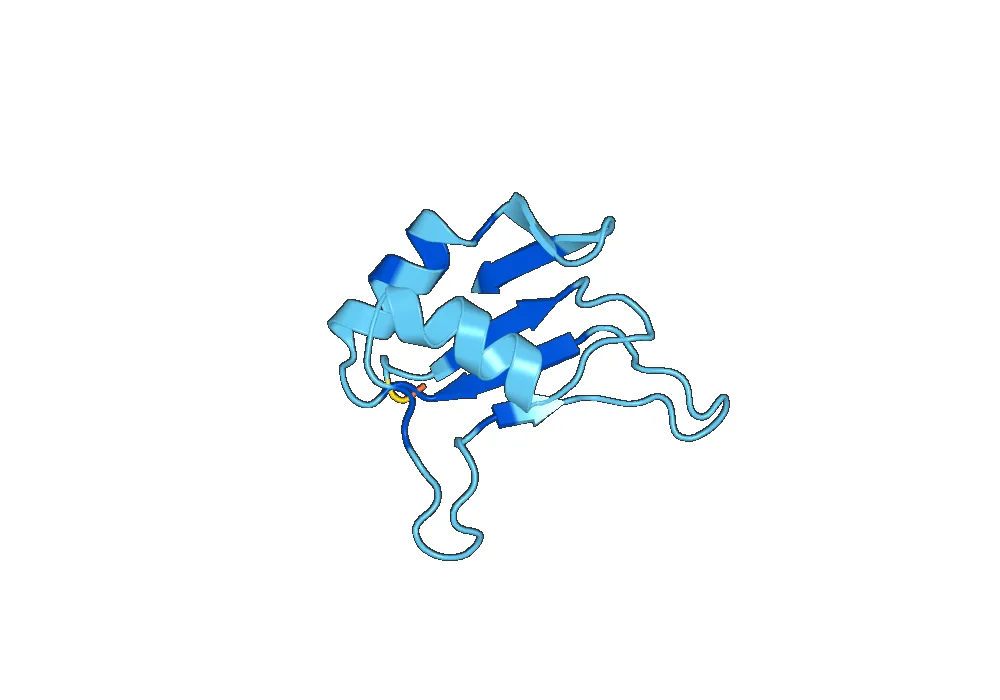
The FUS gene is located on chromosome 16 in humans and encodes for a 526 amino acid protein. The protein consists of several functional domains, including a nuclear localization signal (NLS), RNA recognition motif (RRM), and a C-terminal domain (CTD). The NLS is responsible for the nuclear localization of FUS, while the RRM domain allows for RNA binding. The CTD is involved in protein-protein interactions and plays a role in the formation of stress granules, which are involved in RNA processing and transport.
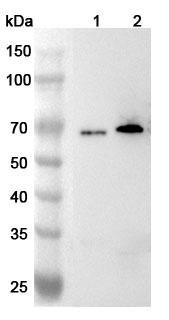
Recombinant Human FUS Protein is produced through the use of recombinant DNA technology, where the FUS gene is inserted into a suitable expression vector and expressed in a host cell. This allows for the production of large quantities of pure and biologically active FUS protein.
Activity of Recombinant Human FUS Protein
Recombinant Human FUS Protein is a multifunctional protein that plays a crucial role in RNA metabolism. It is involved in various cellular processes, including transcription, splicing, and translation. FUS binds to RNA through its RRM domain and regulates the processing and transport of RNA molecules. It also interacts with other proteins, such as RNA polymerase II and splicing factors, to regulate gene expression and splicing events.
FUS has also been implicated in the formation of stress granules, which are cytoplasmic structures that form in response to cellular stress. These granules are involved in the storage and transport of mRNAs, allowing cells to quickly respond to changes in their environment. FUS is essential for the proper formation and function of stress granules, highlighting its role in cellular stress response.
Application of Recombinant Human FUS Protein
Recombinant Human FUS Protein has a wide range of applications in both research and clinical settings. In research, it is used as a tool to study the role of FUS in various cellular processes. Recombinant FUS can be used to investigate its interactions with other proteins and its role in RNA metabolism. It can also be used to study the formation and function of stress granules and their role in cellular stress response.
In the clinical setting, Recombinant Human FUS Protein has been used in the diagnosis and treatment of certain diseases. Mutations in the FUS gene have been linked to the development of amyotrophic lateral sclerosis (ALS) and frontotemporal lobar degeneration (FTLD). Recombinant FUS protein can be used in diagnostic tests to detect these mutations and aid in the diagnosis of these diseases. Additionally, FUS protein has been investigated as a potential therapeutic target for the treatment of ALS and FTLD.
Conclusion
In summary, Recombinant Human FUS Protein is a highly conserved protein that plays a crucial role in RNA processing and transport. Its structure, activity, and application have been extensively studied, and it has been implicated in various cellular processes and diseases. Recombinant FUS protein is a valuable tool for research and has potential applications in diagnostics and therapeutics. Further studies on FUS and its functions will continue to enhance our understanding of this essential protein and its role in cellular function and disease.
There are no reviews yet.