Introduction to Recombinant Human FLCN Protein
Recombinant Human FLCN Protein, also known as Folliculin, is a protein that is encoded by the FLCN gene in humans. This protein is a tumor suppressor and plays a crucial role in regulating cell growth and division. The FLCN gene is located on chromosome 17 and mutations in this gene have been linked to the development of Birt-Hogg-Dubé syndrome, a rare inherited disorder characterized by the formation of benign skin tumors, lung cysts, and kidney tumors.
Structure of Recombinant Human FLCN Protein
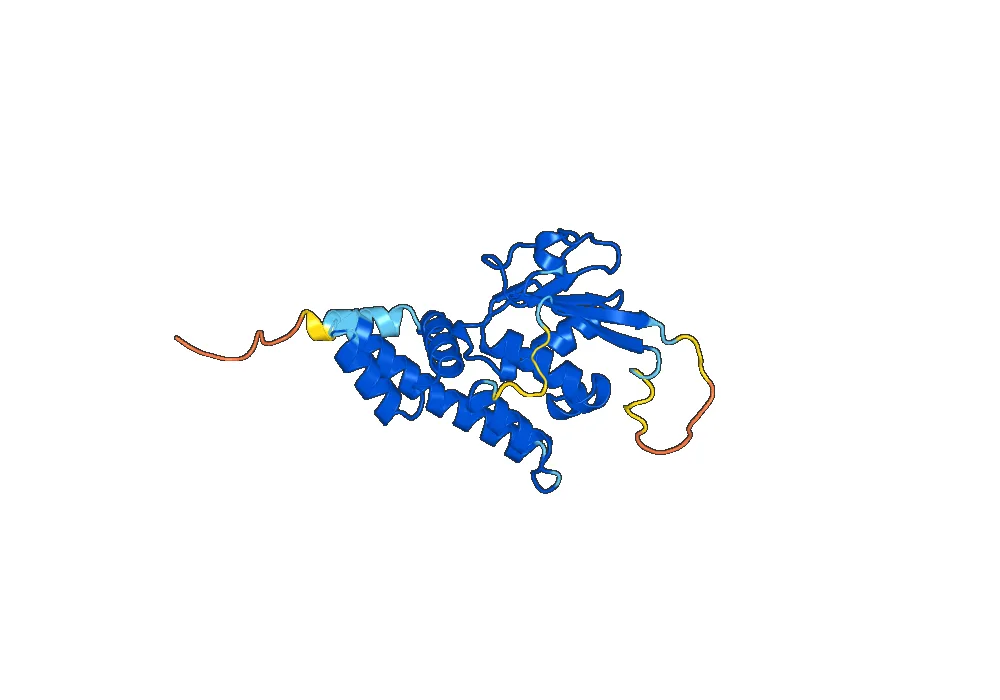
The human FLCN protein is composed of 579 amino acids and has a molecular weight of approximately 64 kDa. It is a highly conserved protein, meaning that its amino acid sequence is similar across different species. The FLCN protein contains a conserved domain called the DENN domain, which is involved in protein-protein interactions and plays a role in regulating cellular signaling pathways.
Recombinant Human FLCN Protein is produced using recombinant DNA technology, which involves inserting the FLCN gene into a host organism, such as bacteria or yeast, to produce large quantities of the protein. This allows for the production of highly pure and biologically active FLCN protein for research and therapeutic purposes.
Activity of Recombinant Human FLCN Protein
The main function of FLCN protein is to act as a tumor suppressor, meaning it helps to prevent the development of tumors. It does this by regulating the activity of a protein called mTOR, which is involved in cell growth and division. FLCN protein binds to and inhibits the activity of mTOR, preventing excessive cell growth and proliferation.
In addition to its role in tumor suppression, FLCN protein has also been shown to play a role in other cellular processes such as autophagy, a process in which cells break down and recycle damaged or unnecessary components. FLCN protein is thought to regulate autophagy by interacting with other proteins involved in this process.
Applications of Recombinant Human FLCN Protein
Recombinant Human FLCN Protein has a wide range of applications in both research and therapeutic settings. In research, it is used to study the function of FLCN protein and its role in various cellular processes. It is also used to investigate the mechanisms of Birt-Hogg-Dubé syndrome and other diseases associated with FLCN mutations.
In therapeutic applications, recombinant FLCN protein has shown potential as a treatment for Birt-Hogg-Dubé syndrome and other diseases caused by FLCN mutations. It has been shown to restore normal cellular functions and inhibit tumor growth in preclinical studies.
Furthermore, recombinant FLCN protein has also been used in the development of diagnostic tests for Birt-Hogg-Dubé syndrome. These tests detect mutations in the FLCN gene and can help identify individuals at risk for developing the disorder.
Conclusion
In summary, Recombinant Human FLCN Protein is a crucial protein involved in regulating cell growth and division. Its structure, activity, and applications make it a valuable tool for both research and therapeutic purposes. With further studies and developments, it has the potential to be a promising treatment for diseases associated with FLCN mutations.

There are no reviews yet.