Introduction to Recombinant Human TSPAN9 Protein
Recombinant Human TSPAN9 Protein is a highly versatile and important protein that has gained significant attention in the scientific community due to its unique structure, diverse activities and wide range of applications. This protein belongs to the tetraspanin family, which is a group of transmembrane proteins that play crucial roles in various cellular processes such as cell adhesion, migration, and signaling.
Structure of Recombinant Human TSPAN9 Protein
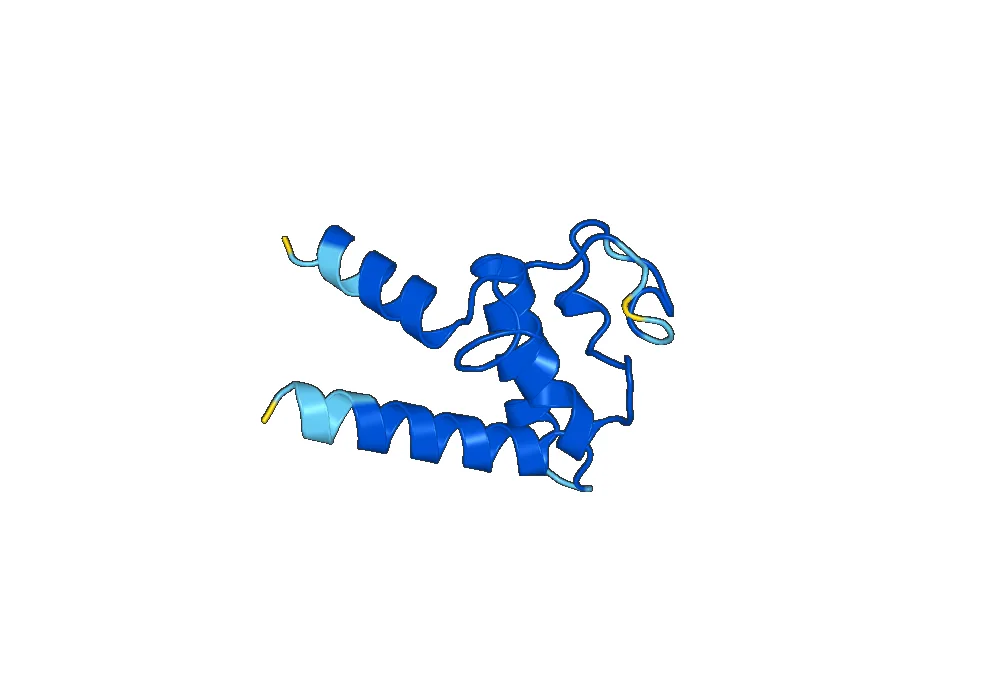
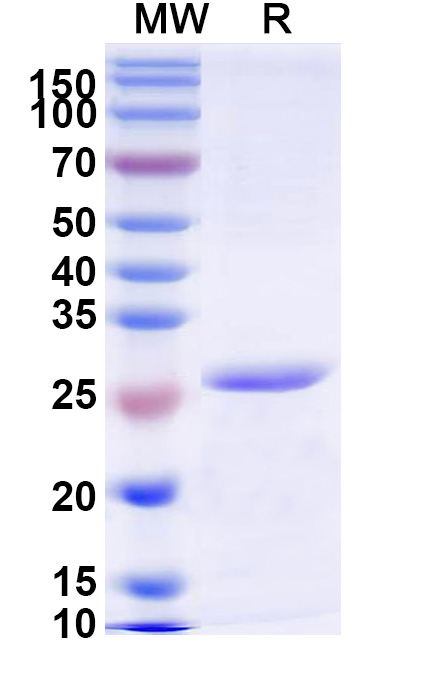
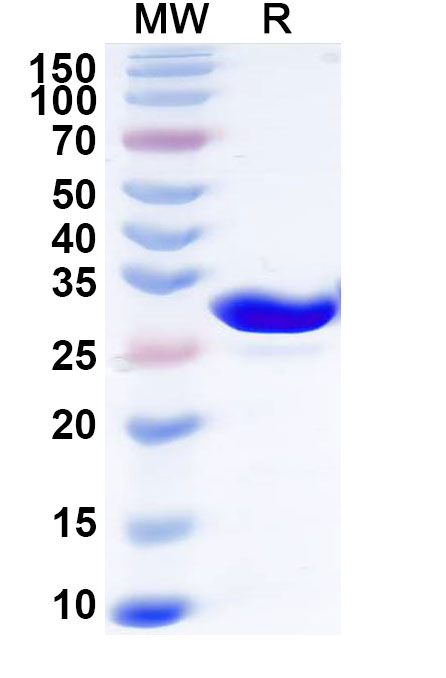
The recombinant form of TSPAN9 protein is a 236 amino acid long protein with a molecular weight of approximately 26 kDa. It is composed of four transmembrane domains, two extracellular loops, and two intracellular loops. The extracellular loops contain several cysteine residues, which form disulfide bonds with other tetraspanins and contribute to the protein’s stability and function.
The intracellular loops of TSPAN9 protein interact with various signaling molecules, including protein kinases, phosphatases, and G proteins, to regulate cellular processes. The transmembrane domains are responsible for the protein’s localization to specific membrane microdomains, known as tetraspanin-enriched microdomains (TEMs), which are essential for its functions.
Activity of Recombinant Human TSPAN9 Protein
Recombinant Human TSPAN9 Protein has been shown to have a wide range of activities in different cell types. It is involved in cell adhesion and migration by interacting with other tetraspanins, integrins, and adhesion molecules. It also plays a role in intracellular signaling by regulating the activity of various signaling molecules, including protein kinases and phosphatases.
One of the most unique activities of TSPAN9 protein is its ability to regulate the function of immune cells. It has been shown to modulate the activation, proliferation, and differentiation of T cells, B cells, and natural killer (NK) cells. This makes it a potential target for immunotherapy and cancer treatment.
Furthermore, TSPAN9 protein has been implicated in the regulation of tumor growth and metastasis. It has been shown to promote the proliferation and migration of cancer cells, making it a potential target for cancer therapy. On the other hand, some studies have also suggested that TSPAN9 protein may have tumor-suppressive effects, highlighting its complex role in cancer biology.
Application of Recombinant Human TSPAN9 Protein
The unique structure and diverse activities of Recombinant Human TSPAN9 Protein make it a valuable tool for various applications in the field of biotechnology and medicine. One of the most common applications of this protein is in the production of recombinant vaccines. TSPAN9 protein has been used as an antigen in vaccine formulations to induce immune responses against various diseases, including influenza, hepatitis C, and HIV.
Another potential application of TSPAN9 protein is in the development of targeted drug delivery systems. As this protein is highly expressed on the surface of cancer cells, it can be used as a target for delivering anti-cancer drugs specifically to tumor cells, minimizing the side effects on healthy tissues.
Moreover, recombinant TSPAN9 protein has also been used in diagnostic assays to detect the presence of specific antibodies in patient samples. Its ability to interact with various signaling molecules also makes it a potential therapeutic target for the treatment of autoimmune diseases and inflammatory disorders.
Conclusion
In conclusion, Recombinant Human TSPAN9 Protein is a highly versatile and important protein with a unique structure and diverse activities. It plays crucial roles in various cellular processes and has a wide range of potential applications in biotechnology and medicine. Further research on this protein is needed to fully understand its functions and potential therapeutic uses.


There are no reviews yet.