Introduction to Recombinant Human DGKG
Recombinant Human DGKG (Diacylglycerol Kinase Gamma) is a protein that plays an important role in the regulation of lipid signaling pathways. This protein is encoded by the DGKG gene and is a member of the diacylglycerol kinase family. Recombinant Human DGKG is produced through genetic engineering techniques, making it a valuable tool for studying the structure, activity, and potential applications of this protein.
Structure of Recombinant Human DGKG
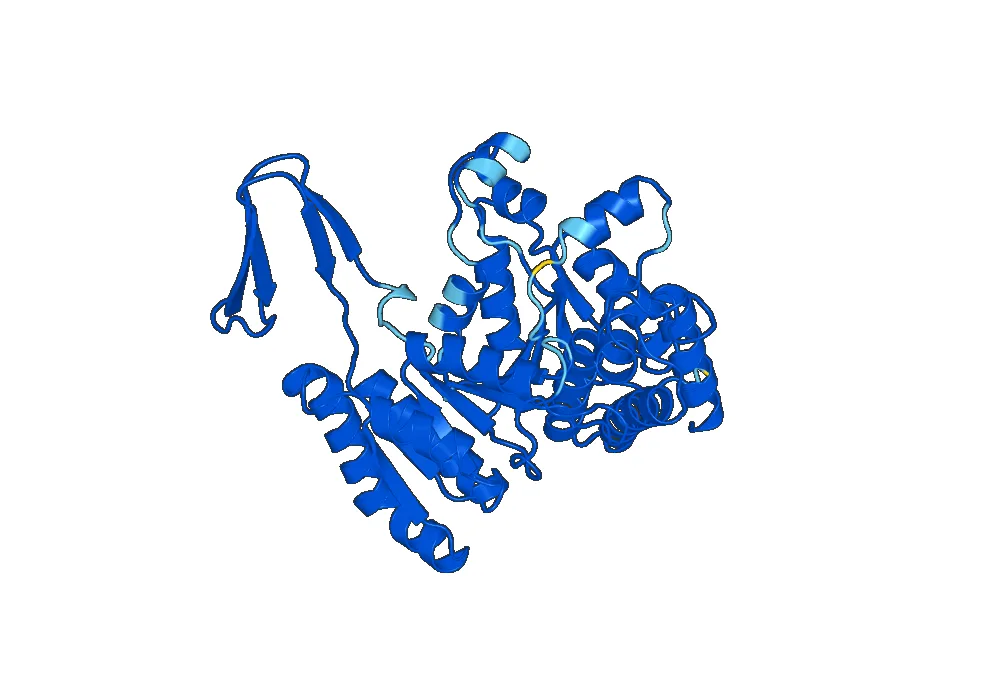
Recombinant Human DGKG is a 99 kDa protein composed of 896 amino acids. It consists of a catalytic domain, a regulatory domain, and a pleckstrin homology (PH) domain. The catalytic domain is responsible for the conversion of diacylglycerol (DAG) to phosphatidic acid (PA), while the regulatory domain helps in the regulation of the enzyme’s activity. The PH domain is involved in the binding of DGKG to membranes and other proteins.
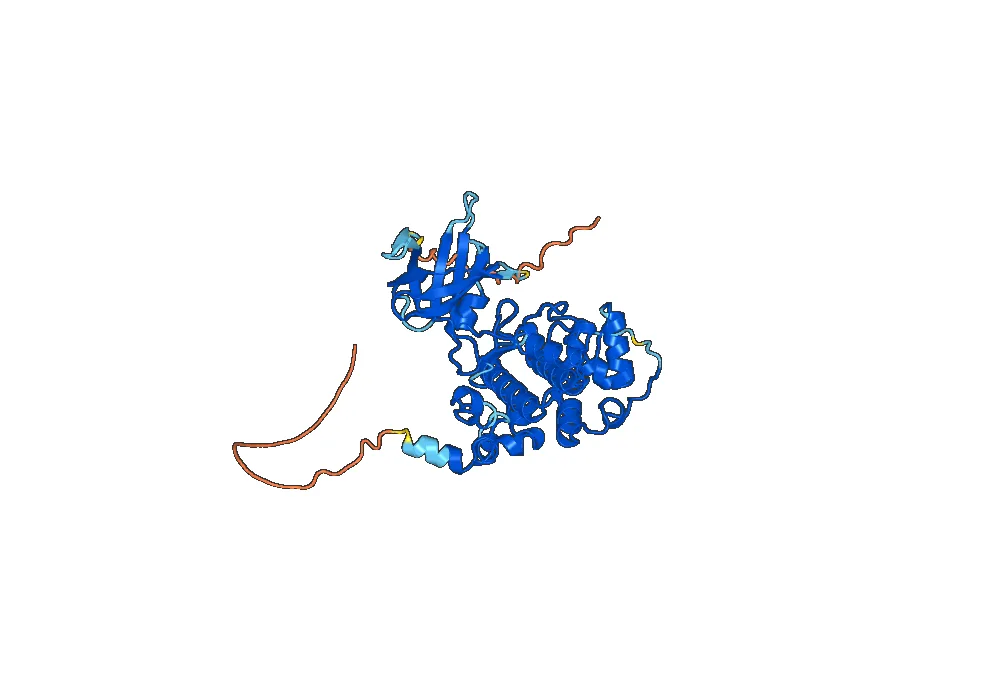
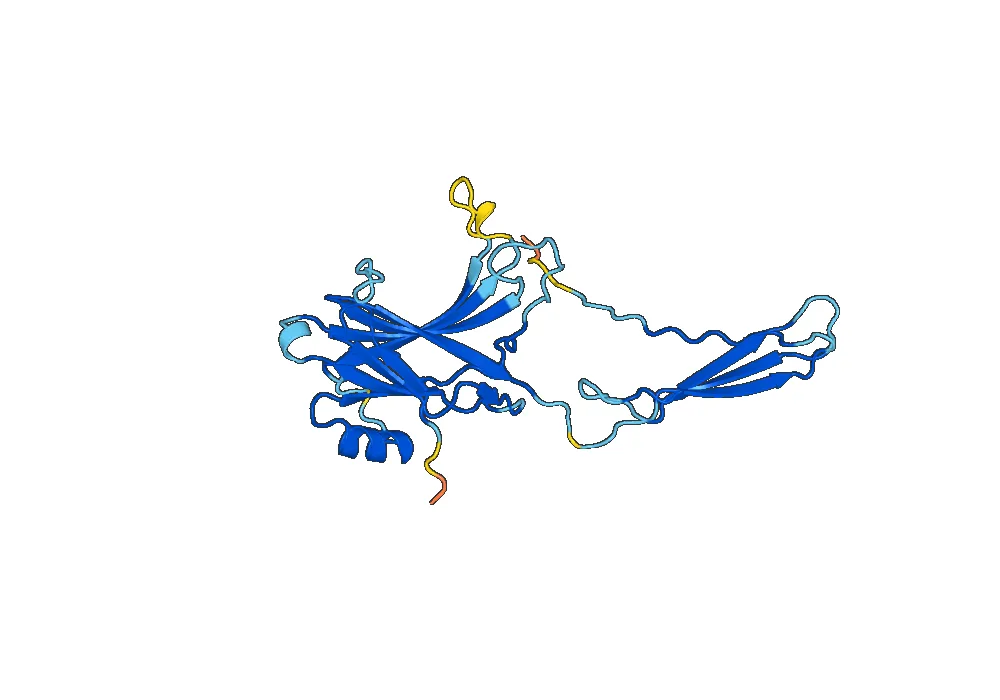
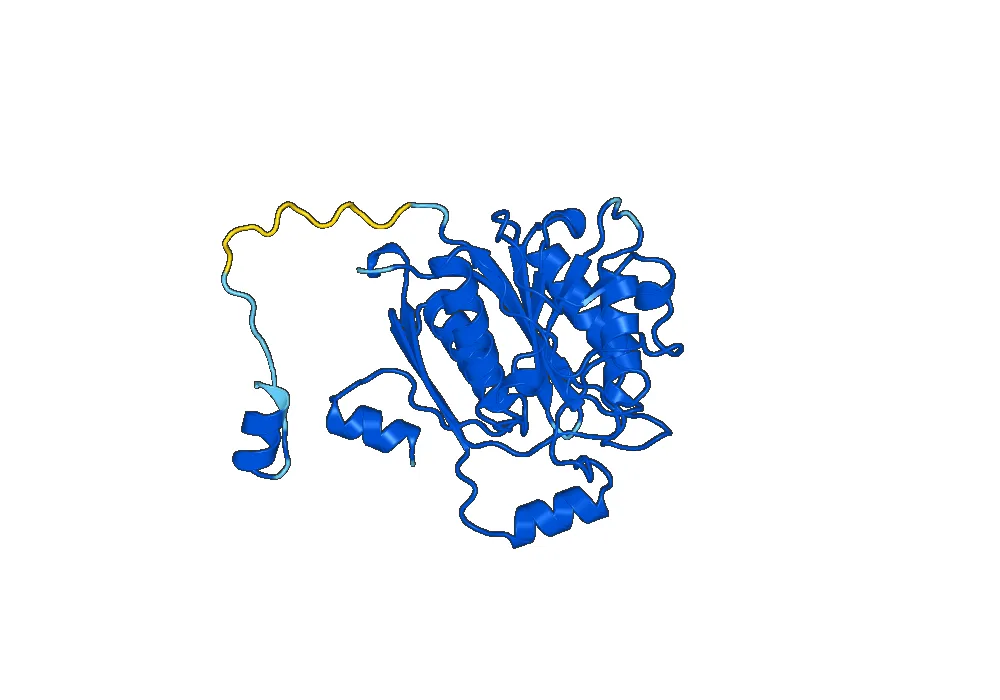
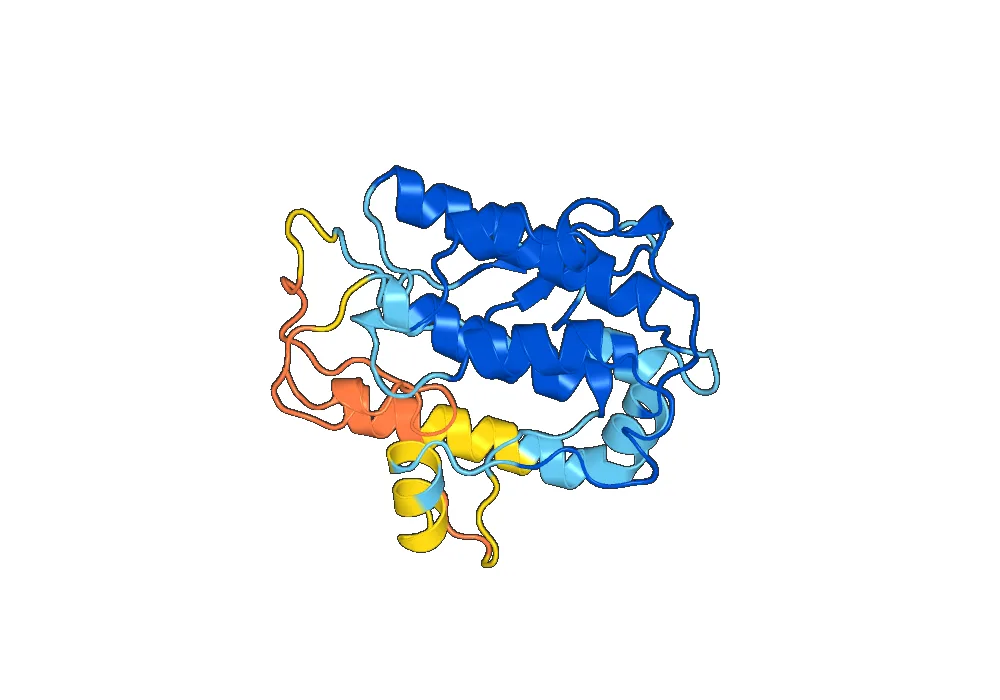
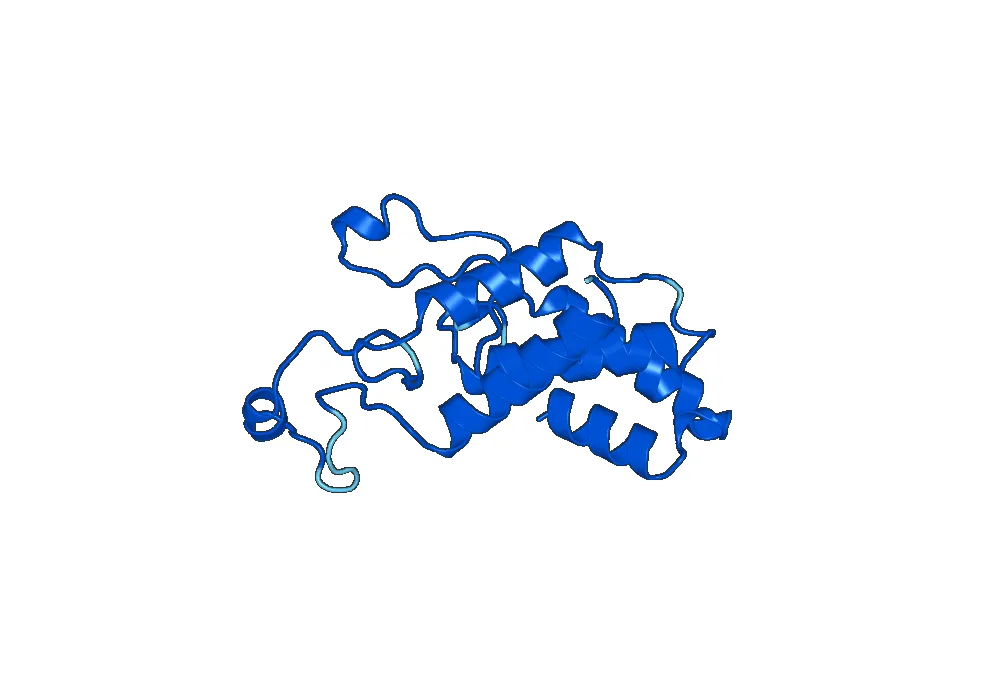
The crystal structure of Recombinant Human DGKG has been determined, providing insights into the protein’s three-dimensional structure. The catalytic domain is composed of a central beta-sheet surrounded by alpha-helices, while the regulatory domain forms a beta-barrel structure. The PH domain is located at the C-terminus and is composed of seven beta-strands and two alpha-helices.
Activity of Recombinant Human DGKG
Recombinant Human DGKG is a key enzyme in the regulation of lipid signaling pathways. It catalyzes the phosphorylation of DAG, a second messenger involved in various cellular processes such as cell growth, differentiation, and apoptosis. This conversion of DAG to PA helps in the maintenance of the balance between these two signaling molecules, which is crucial for proper cellular function.
In addition to its role in lipid signaling, Recombinant Human DGKG has also been found to play a role in the regulation of ion channels and neurotransmitter release. It has been shown to interact with and regulate the activity of TRPC3 channels, which are involved in calcium signaling. DGKG has also been implicated in the regulation of neurotransmitter release in the brain, making it a potential target for neurological disorders.
Applications of Recombinant Human DGKG
Recombinant Human DGKG has a wide range of potential applications in both research and therapeutic settings. Its ability to regulate lipid signaling pathways makes it a valuable tool for studying various cellular processes. It can also be used to investigate the role of DGKG in different diseases, such as cancer, diabetes, and neurological disorders.
Moreover, Recombinant Human DGKG has potential therapeutic applications. Its role in regulating ion channels and neurotransmitter release makes it a potential target for the development of drugs for neurological disorders. In addition, DGKG has been found to be overexpressed in certain types of cancer, making it a potential target for cancer therapy.
Conclusion
In summary, Recombinant Human DGKG is a 99 kDa protein that plays a crucial role in the regulation of lipid signaling pathways. Its structure, consisting of a catalytic domain, regulatory domain, and PH domain, has been extensively studied. This protein has various activities, including the conversion of DAG to PA and the regulation of ion channels and neurotransmitter release. Its potential applications in research and therapy make it a valuable tool for understanding and treating various diseases.


There are no reviews yet.