Introduction
Recombinant Human CRHR2 Protein, also known as Corticotropin-Releasing Hormone Receptor 2, is a protein that plays a crucial role in the stress response and regulation of the hypothalamic-pituitary-adrenal axis. This protein is encoded by the CRHR2 gene and is a member of the G-protein coupled receptor family. In this article, we will discuss the structure, activity, and applications of Recombinant Human CRHR2 Protein.
Structure of Recombinant Human CRHR2 Protein
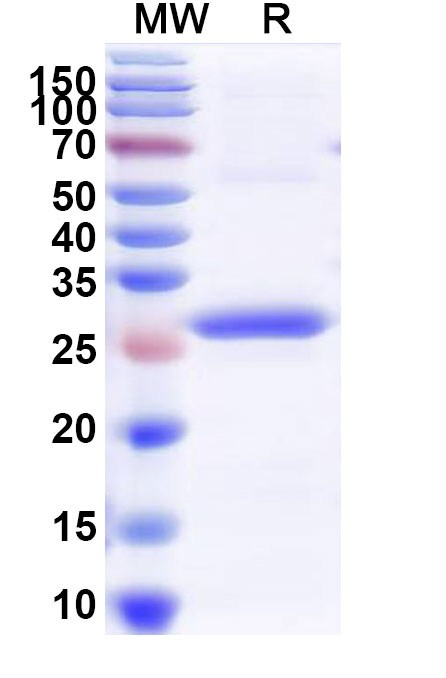
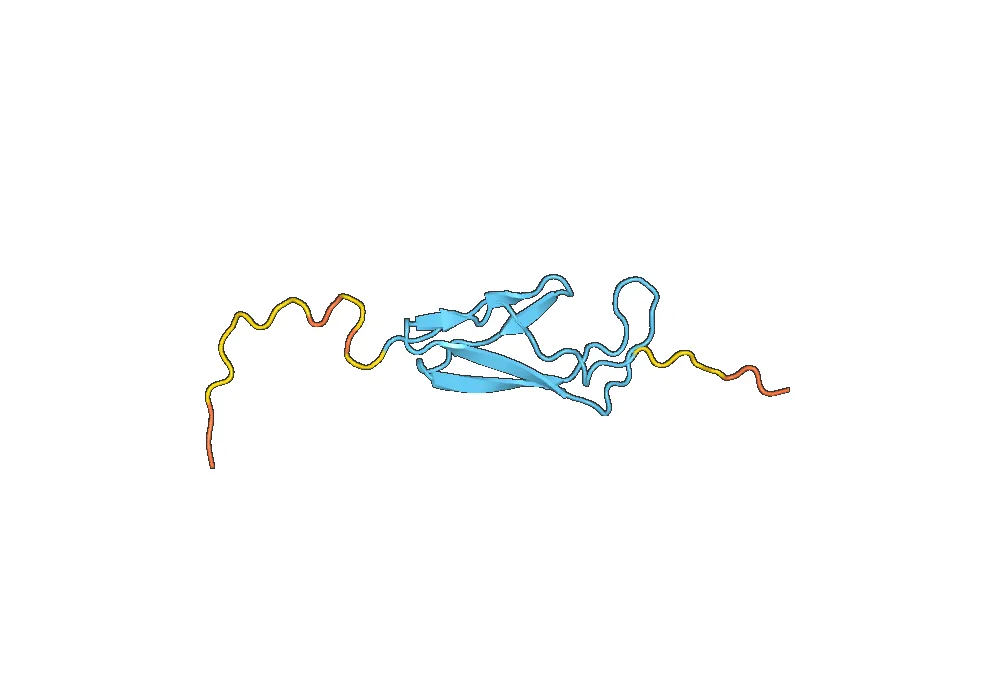
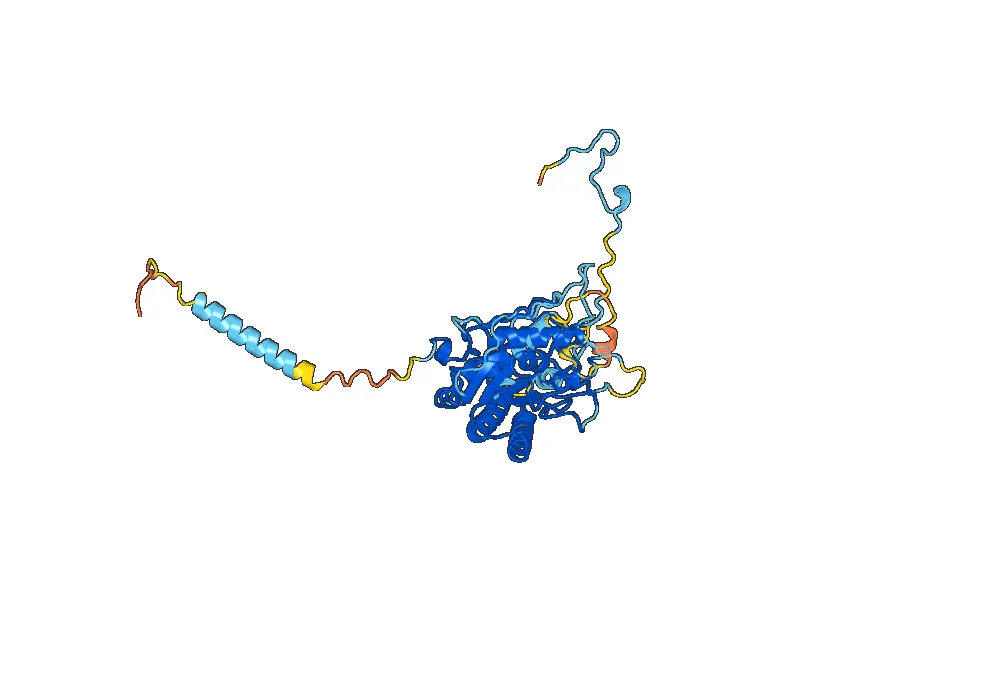
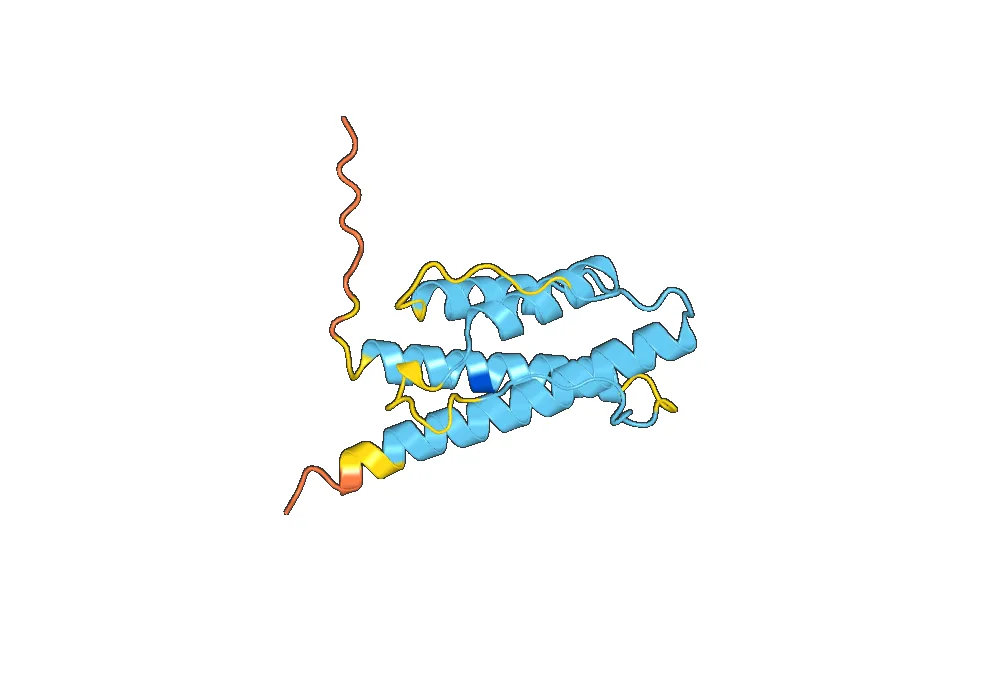
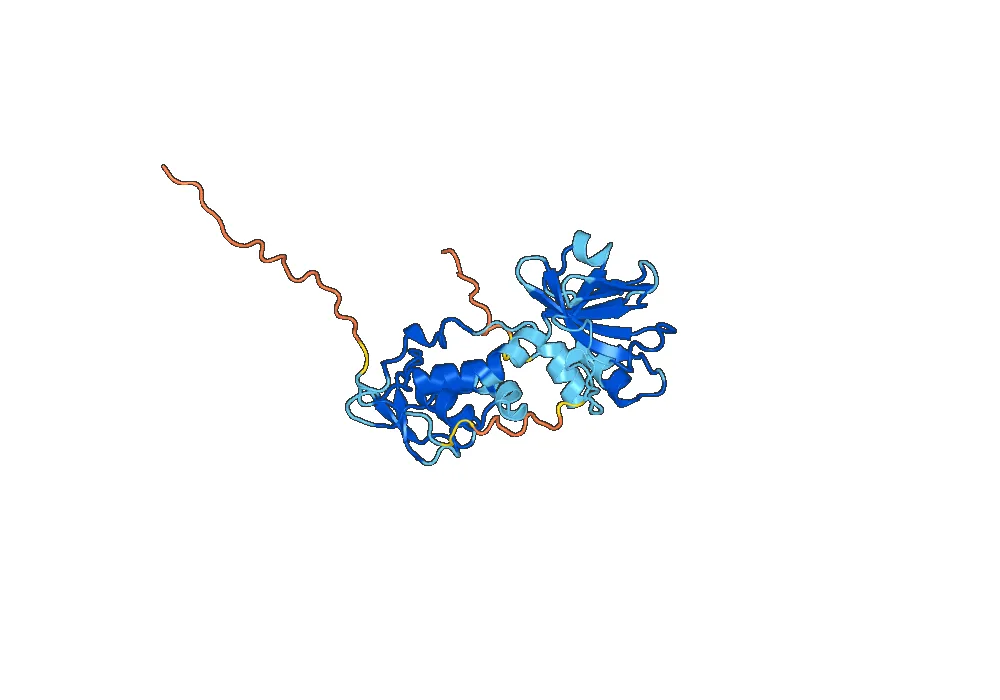
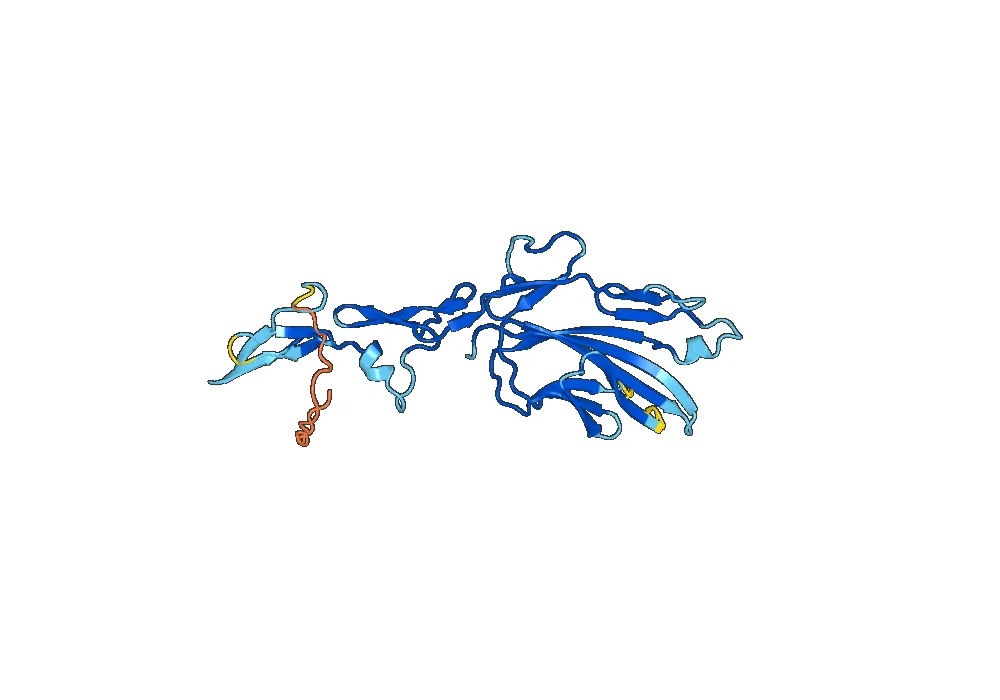
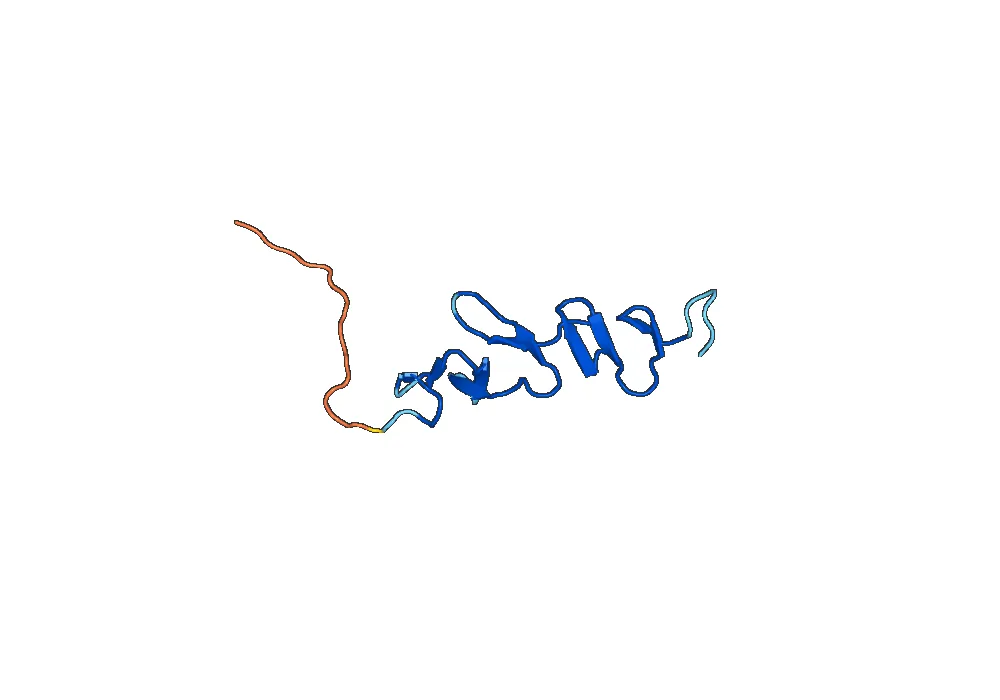
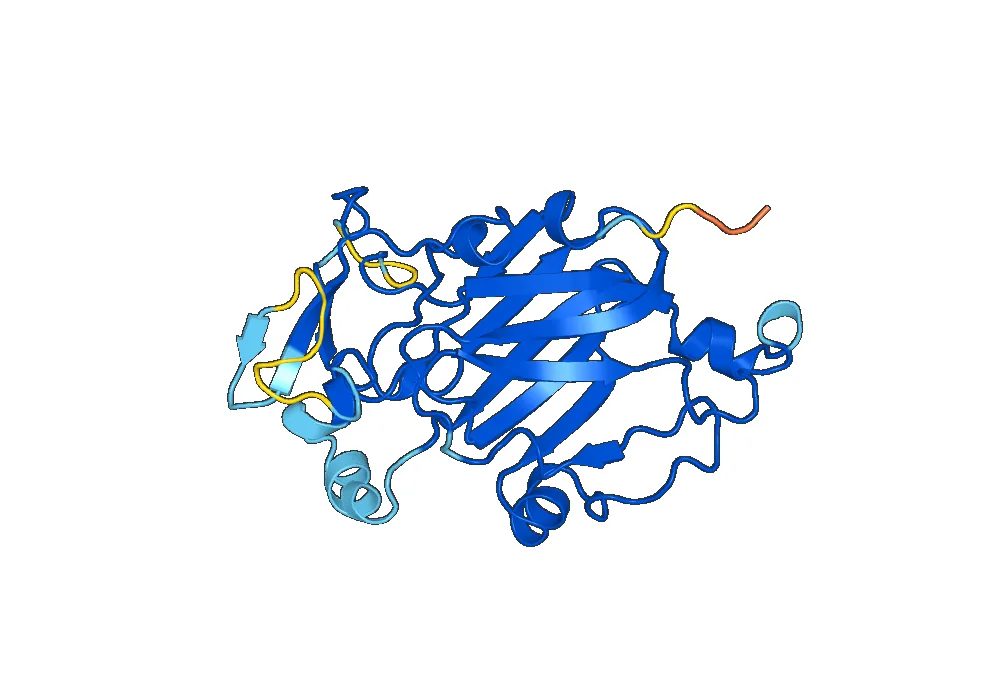
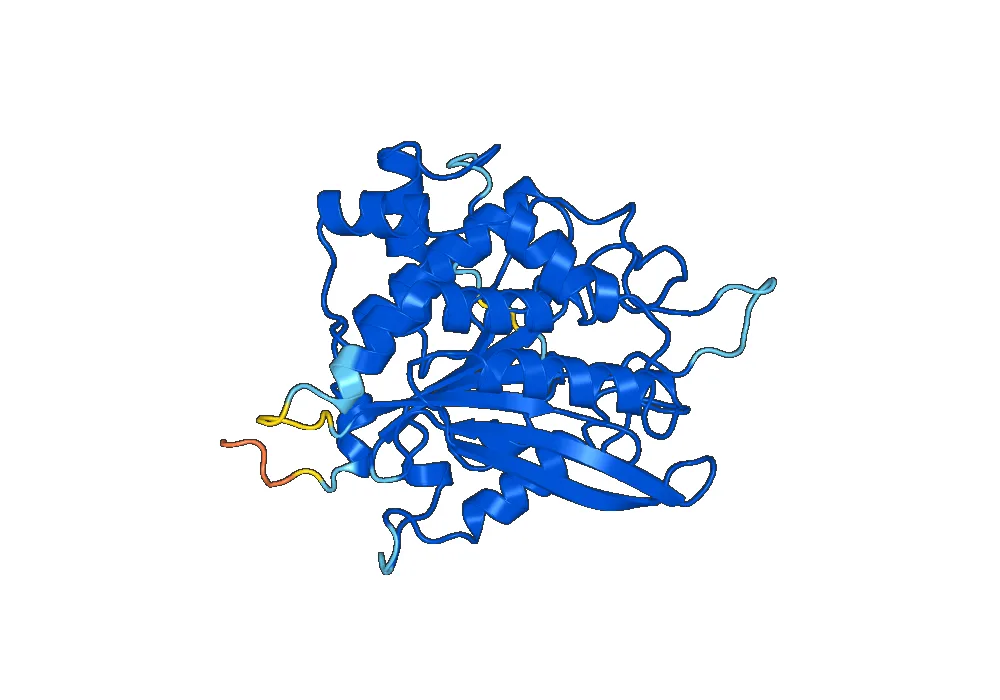
The human CRHR2 gene is located on chromosome 7 and consists of 14 exons. The protein is composed of 415 amino acids and has a molecular weight of approximately 47 kDa. It has a seven-transmembrane domain structure, which is characteristic of G-protein coupled receptors. The extracellular domain of CRHR2 contains two cysteine-rich regions, which are important for ligand binding. The intracellular domain contains several phosphorylation sites, which are involved in the regulation of receptor activity.
Activity of Recombinant Human CRHR2 Protein
The primary function of CRHR2 is to bind with its ligand, corticotropin-releasing hormone (CRH), and activate the signaling pathways that lead to the release of cortisol from the adrenal glands. This hormone is responsible for the body’s response to stress and plays a crucial role in maintaining homeostasis. CRHR2 is also expressed in various brain regions, including the hippocampus, amygdala, and prefrontal cortex, where it is involved in the regulation of mood and anxiety.
Studies have shown that Recombinant Human CRHR2 Protein has a high affinity for CRH and can activate both Gs and Gq signaling pathways. The activation of Gs leads to the production of cyclic adenosine monophosphate (cAMP), which is involved in the activation of protein kinase A (PKA) and other downstream signaling molecules. On the other hand, the activation of Gq leads to the production of inositol trisphosphate (IP3) and diacylglycerol (DAG), which are involved in the activation of protein kinase C (PKC) and other downstream signaling molecules.
Applications of Recombinant Human CRHR2 Protein
Recombinant Human CRHR2 Protein has various applications in both research and therapeutic settings. One of the main applications of this protein is in the study of stress and its effects on the body. Researchers can use this protein to investigate the role of CRHR2 in the stress response and its involvement in various diseases, such as anxiety and depression.
In addition to its research applications, Recombinant Human CRHR2 Protein has potential therapeutic uses. As CRHR2 is involved in the regulation of mood and anxiety, targeting this protein could be a potential treatment for anxiety disorders. Several studies have shown that CRHR2 antagonists can reduce anxiety-like behaviors in animal models, making them a promising target for drug development.
Conclusion
In summary, Recombinant Human CRHR2 Protein is a crucial protein involved in the stress response and regulation of the hypothalamic-pituitary-adrenal axis. It has a unique structure with a seven-transmembrane domain and plays a role in both Gs and Gq signaling pathways. This protein has various applications in research and has potential therapeutic uses in the treatment of anxiety disorders. Further studies on CRHR2 and its ligand, CRH, could lead to a better understanding of the stress response and the development of new treatments for stress-related disorders.

There are no reviews yet.