Introduction to Recombinant Human CD81 Protein
Recombinant Human CD81 Protein, also known as CD81 antigen or TAPA-1, is a transmembrane protein that plays a crucial role in various cellular processes. It is encoded by the CD81 gene and is expressed on the surface of many cell types, including B cells, T cells, and natural killer cells. CD81 is a member of the tetraspanin family of proteins, which are characterized by four transmembrane domains and are involved in cell signaling, adhesion, and fusion.
Structure of Recombinant Human CD81 Protein
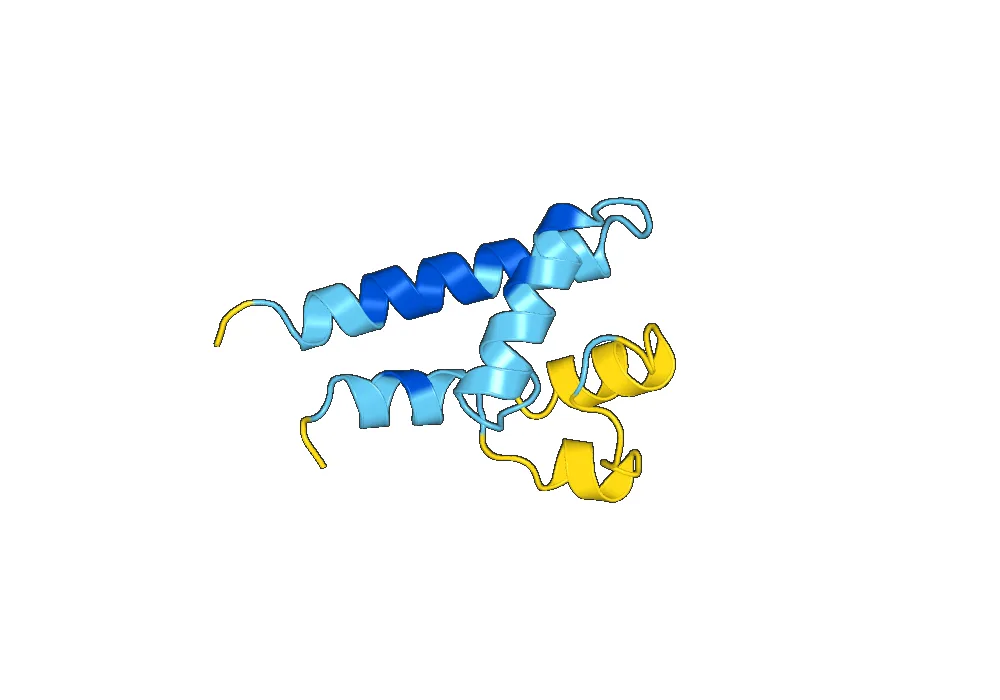
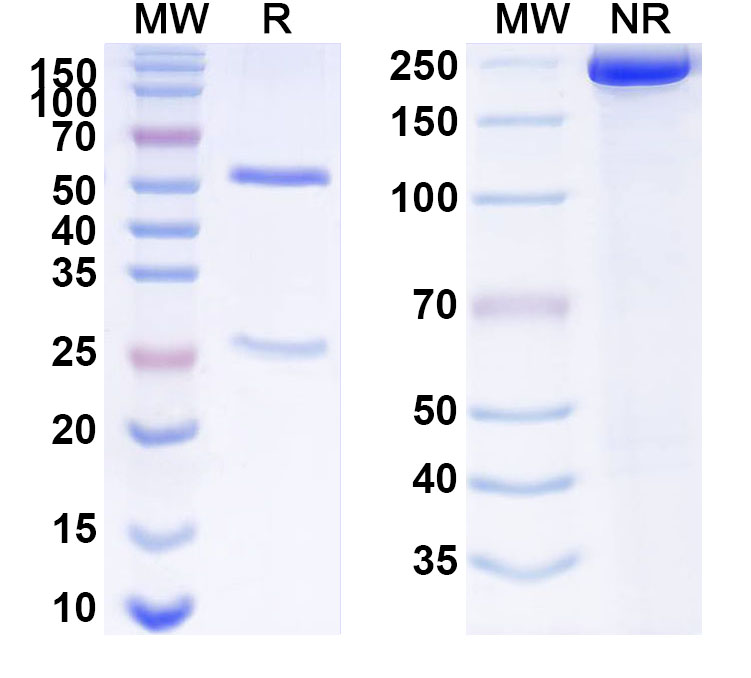
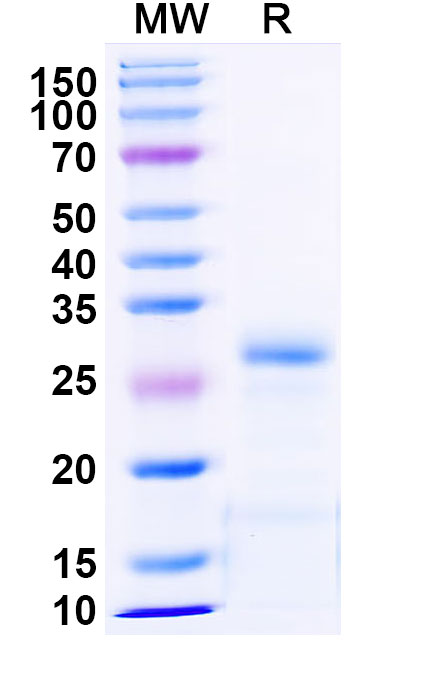
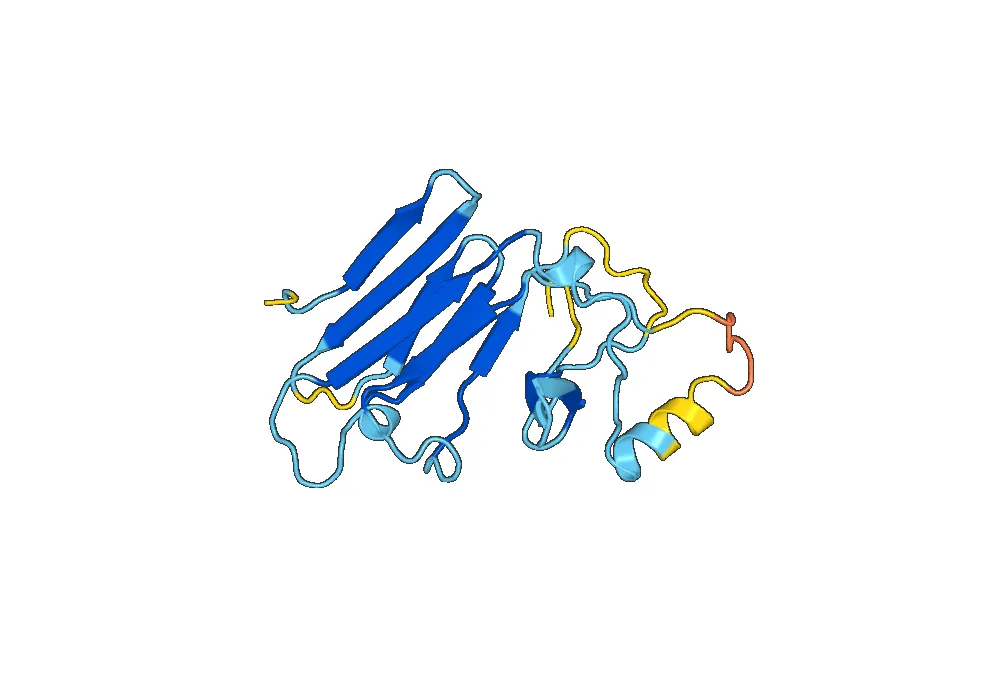
The recombinant form of CD81 protein is produced through genetic engineering techniques, where the CD81 gene is inserted into a suitable expression vector and then expressed in a host cell. The resulting protein is a glycosylated type I transmembrane protein with a molecular weight of approximately 26 kDa. It is composed of 236 amino acids and contains four transmembrane domains, a large extracellular loop, and short intracellular N- and C-termini.
The extracellular loop of CD81 is the most variable region of the protein and contains several potential glycosylation sites. This loop is involved in protein-protein interactions and is responsible for the diverse functions of CD81 in different cell types. The intracellular domains of CD81 are involved in signal transduction and interact with other proteins to regulate various cellular processes.
Activity of Recombinant Human CD81 Protein
CD81 is a multifunctional protein that is involved in a wide range of cellular activities. It acts as a receptor for various ligands, including the hepatitis C virus, Plasmodium falciparum, and the tetraspanin CD9. CD81 also interacts with other tetraspanins, such as CD19 and CD82, to form complexes that regulate cell adhesion, migration, and fusion.
One of the key roles of CD81 is its involvement in immune responses. It is expressed on the surface of B cells, where it plays a crucial role in B cell activation and differentiation. CD81 also acts as a co-stimulatory molecule for T cells, enhancing their proliferation and cytokine production. In addition, CD81 is involved in the regulation of natural killer cell cytotoxicity and is a potential target for cancer immunotherapy.
CD81 is also involved in the regulation of cell proliferation, survival, and apoptosis. It has been shown to interact with growth factor receptors and modulate their signaling pathways. CD81 also plays a role in the formation and maintenance of tight junctions in epithelial cells, and it is involved in the regulation of cell migration and invasion in cancer cells.
Application of Recombinant Human CD81 Protein
The recombinant form of CD81 protein has a wide range of applications in both research and clinical settings. It is commonly used as an antigen for the production of specific antibodies, which are used in various immunoassays, including Western blotting, flow cytometry, and immunohistochemistry. Recombinant CD81 protein can also be used as a ligand for various receptor-binding studies and as a tool for investigating the role of CD81 in different cellular processes.
In addition, recombinant CD81 protein has potential therapeutic applications. It has been shown to inhibit hepatitis C virus entry into cells, making it a potential treatment for hepatitis C infection. CD81-targeted therapies are also being explored for the treatment of cancer, as CD81 is overexpressed in many types of cancer cells and is involved in tumor progression and metastasis.
Conclusion
In summary, Recombinant Human CD81 Protein is a versatile and important protein that plays a crucial role in various cellular processes. Its structure, activity, and applications make it a valuable tool for research and a potential target for therapeutic interventions. Further studies on CD81 and its interactions with other


There are no reviews yet.