Introduction
Recombinant Human IL36A/IL-1F6 is a cytokine protein that belongs to the IL-1 family. It is also known as interleukin-36 alpha (IL-36α) or interleukin-1 family member 6 (IL-1F6). This protein is produced by recombinant DNA technology and is used in various research and therapeutic applications. In this article, we will discuss the structure, activity, and applications of Recombinant Human IL36A/IL-1F6.
Structure of Recombinant Human IL36A/IL-1F6
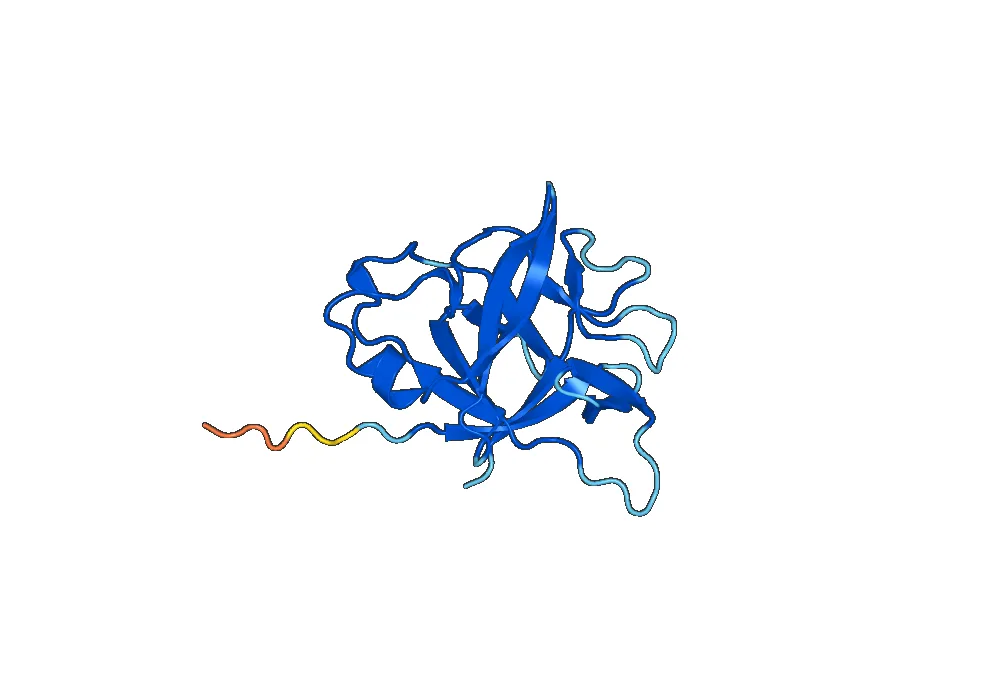
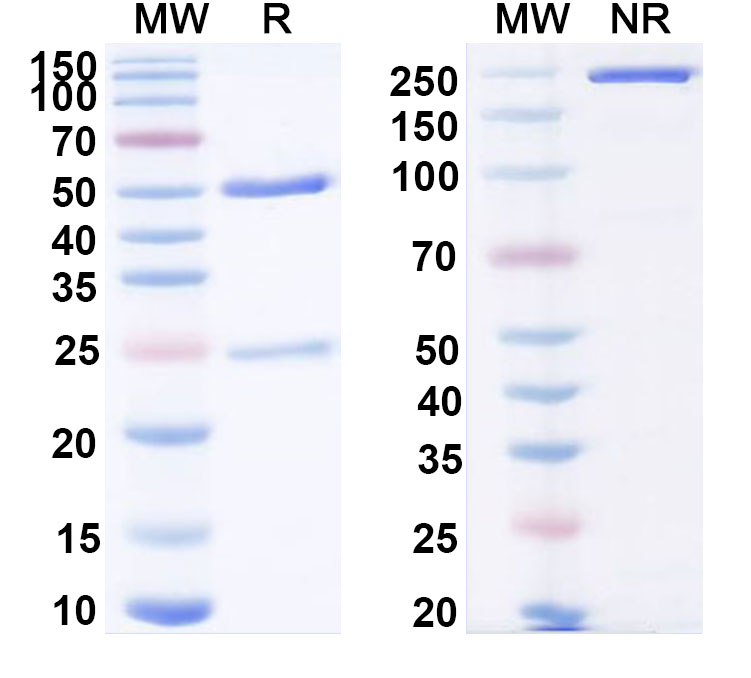
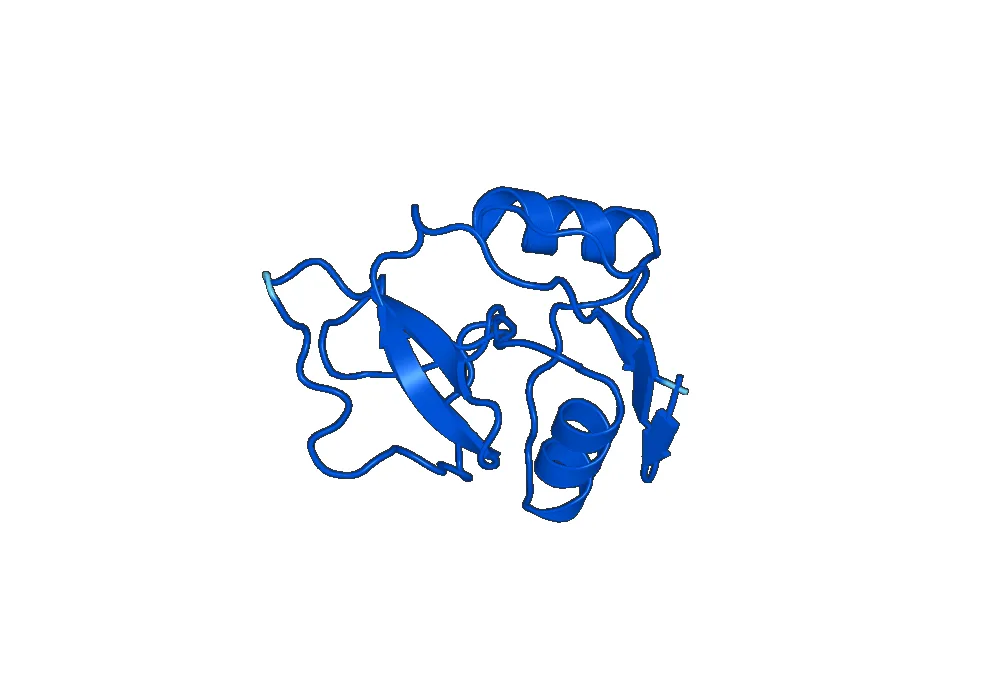
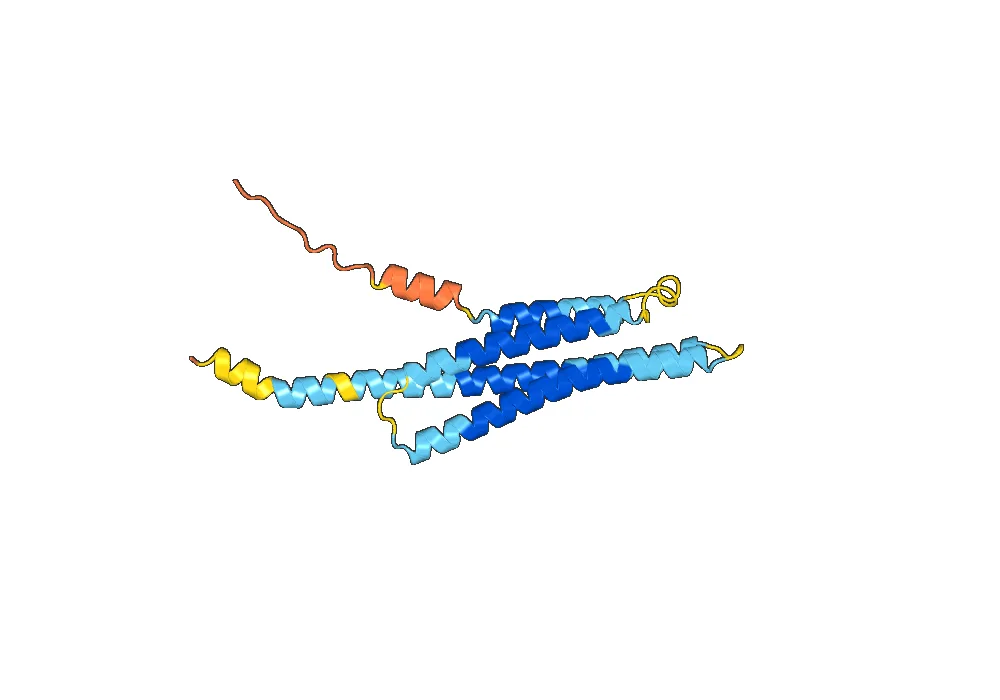
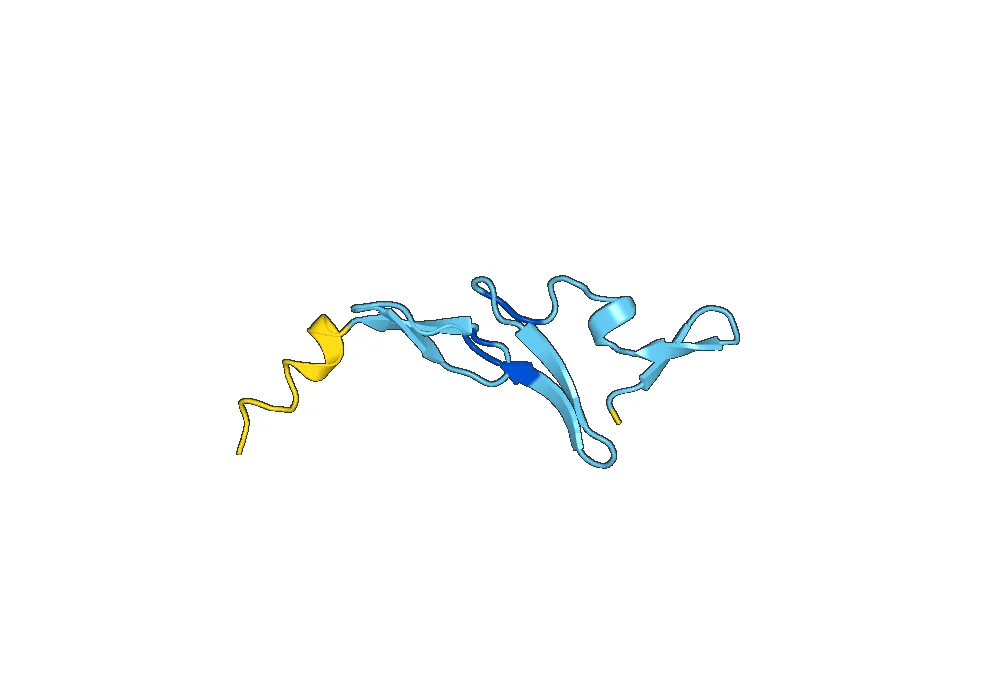
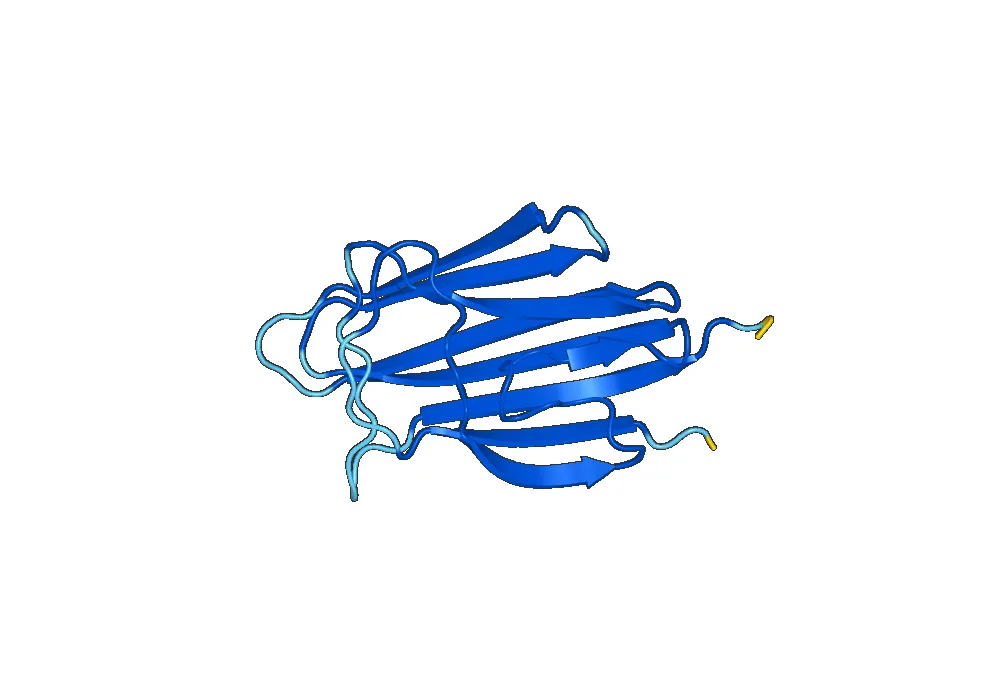
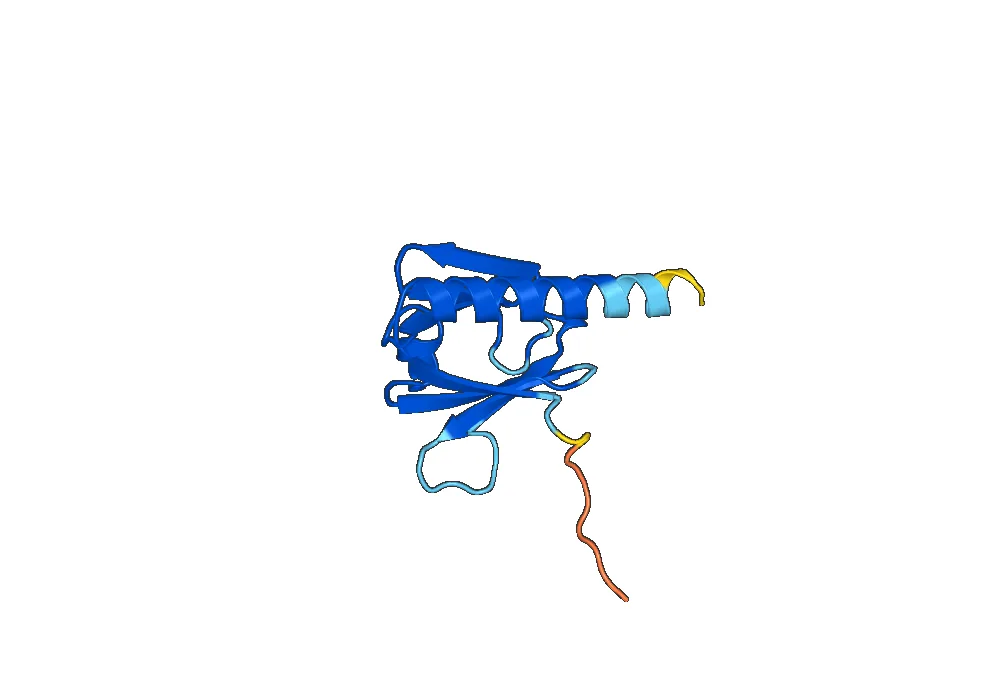
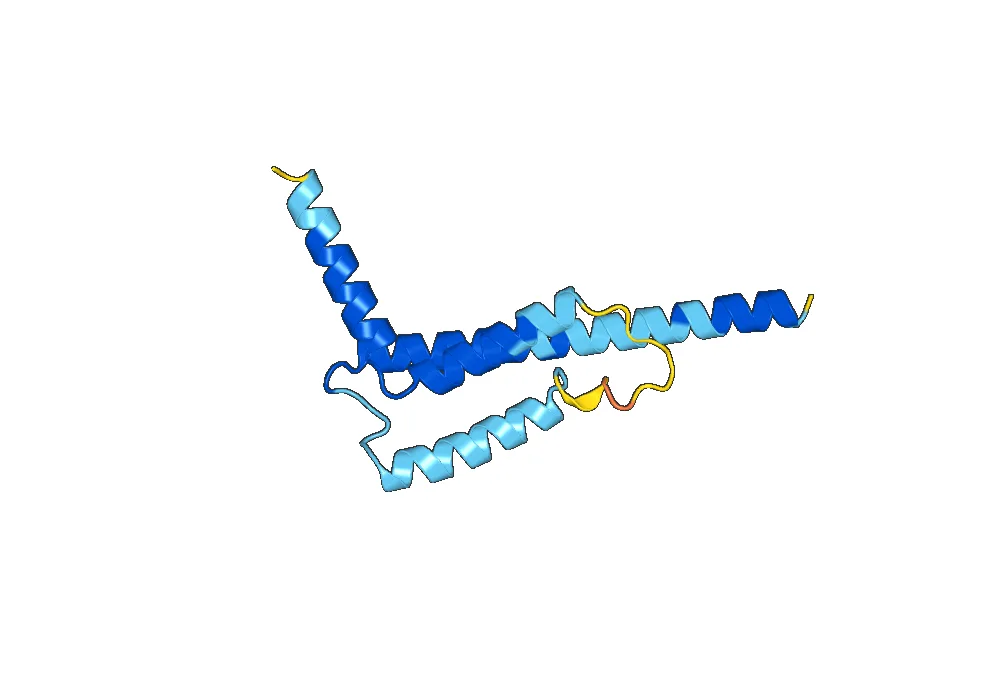
Recombinant Human IL36A/IL-1F6 is a small protein consisting of 159 amino acids. It has a molecular weight of approximately 18 kDa. The protein contains a signal peptide of 22 amino acids, which is cleaved during post-translational processing. The mature protein has a predicted isoelectric point of 8.8 and a predicted N-terminal pyroglutamate residue. The crystal structure of Recombinant Human IL36A/IL-1F6 has been determined and it shows a typical beta-trefoil fold, which is characteristic of the IL-1 family of cytokines.
Activity of Recombinant Human IL36A/IL-1F6
Recombinant Human IL36A/IL-1F6 is a proinflammatory cytokine that plays a key role in the innate immune response. It exerts its biological activity by binding to the IL-36 receptor (IL-36R) and activating downstream signaling pathways. IL-36R is a heterodimeric receptor complex consisting of IL-36R and IL-1 receptor accessory protein (IL-1RAcP). Upon binding, Recombinant Human IL36A/IL-1F6 induces the production of proinflammatory cytokines such as IL-6, IL-8, and TNF-α, as well as chemokines such as CXCL1 and CXCL8. It also promotes the recruitment of immune cells to the site of infection or injury.
Recombinant Human IL36A/IL-1F6 has been shown to have a role in various inflammatory conditions such as psoriasis, rheumatoid arthritis, and inflammatory bowel disease. It has also been implicated in the pathogenesis of certain autoimmune diseases. Studies have shown that elevated levels of IL-36α are present in the skin lesions of psoriasis patients, and blocking its activity can improve the symptoms of the disease.
Applications of Recombinant Human IL36A/IL-1F6
Recombinant Human IL36A/IL-1F6 has a wide range of applications in both research and therapeutic settings. Some of the key applications include:
1. Research
Recombinant Human IL36A/IL-1F6 is commonly used in research to study the role of IL-36 signaling in various diseases and conditions. It is also used to investigate the molecular mechanisms underlying the proinflammatory effects of IL-36α. The protein can be used in in vitro experiments to stimulate immune cells and measure the production of cytokines and chemokines. It can also be used in in vivo studies to evaluate its effects on disease progression and immune response.
2. Therapeutics
Recombinant Human IL36A/IL-1F6 has potential therapeutic applications in the treatment of inflammatory and autoimmune diseases. It can be used as a drug target to develop novel therapies for conditions such as psoriasis, rheumatoid arthritis, and inflammatory bowel disease. In addition, the protein can also be used as a biomarker for disease diagnosis and monitoring treatment response.
3. Vaccine Development
Recombinant Human IL36A
There are no reviews yet.