Introduction to Recombinant Human CD163 Protein
Recombinant Human CD163 Protein, also known as cluster of differentiation 163, is a type I transmembrane glycoprotein that belongs to the scavenger receptor cysteine-rich (SRCR) superfamily. It is encoded by the CD163 gene and is expressed on the surface of monocytes and macrophages. CD163 plays a crucial role in the innate immune response and has been identified as a potential therapeutic target for various diseases. In this article, we will delve into the structure, activity, and applications of Recombinant Human CD163 Protein.
Structure of Recombinant Human CD163 Protein
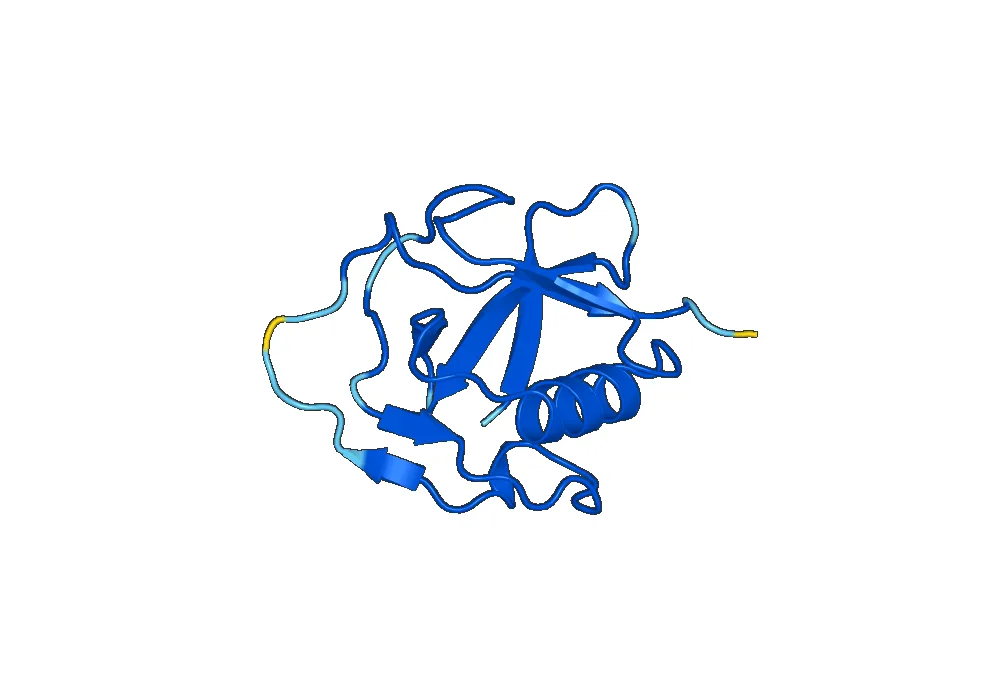
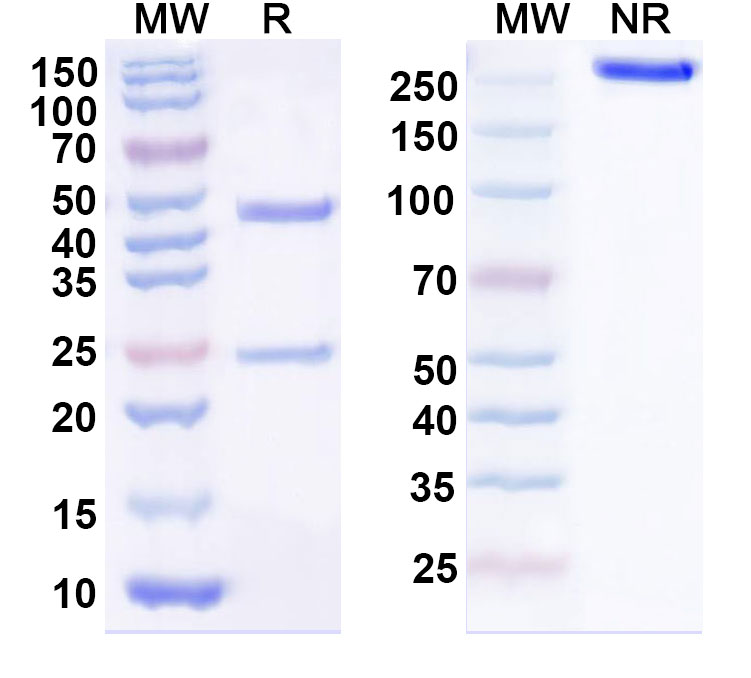
The human CD163 gene is located on chromosome 12p13.3 and consists of 18 exons, which encode a protein of 1303 amino acids. The protein has a molecular weight of approximately 130 kDa and contains a short cytoplasmic tail, a transmembrane domain, and nine SRCR domains. The SRCR domains are responsible for the binding of various ligands, including hemoglobin-haptoglobin complexes, lipopolysaccharides, and bacteria. The extracellular domain of CD163 also contains a cysteine-rich region, which is important for maintaining the protein’s structure.
Activity of Recombinant Human CD163 Protein
CD163 is primarily expressed on the surface of monocytes and macrophages, where it functions as a scavenger receptor. It is involved in the clearance of hemoglobin-haptoglobin complexes, which are released during hemolysis. CD163 binds to the haptoglobin portion of the complex and internalizes it, preventing the release of iron and heme, which can be toxic. This process is crucial for maintaining iron homeostasis in the body.
In addition to its scavenging activity, CD163 also plays a role in modulating the immune response. It has been shown to have anti-inflammatory effects by inhibiting the production of pro-inflammatory cytokines, such as TNF-α and IL-6. CD163 also promotes the production of anti-inflammatory cytokines, such as IL-10, which helps to dampen the immune response. This function of CD163 is essential in preventing excessive inflammation and tissue damage.
Applications of Recombinant Human CD163 Protein
Recombinant Human CD163 Protein has numerous potential applications in both research and clinical settings. One of the most promising applications is in the treatment of inflammatory diseases. CD163 has been identified as a potential therapeutic target for conditions such as sepsis, atherosclerosis, and rheumatoid arthritis. By modulating the activity of CD163, it may be possible to reduce inflammation and prevent tissue damage in these diseases.
Another potential application of Recombinant Human CD163 Protein is in the field of regenerative medicine. CD163 has been shown to play a role in tissue repair and regeneration. Studies have demonstrated that CD163 is involved in the clearance of cellular debris and the promotion of tissue healing. This suggests that CD163 could be used to enhance tissue repair and regeneration in conditions such as wound healing and tissue injury.
Furthermore, Recombinant Human CD163 Protein has also been used in research studies as a diagnostic marker for various diseases. CD163 is highly expressed in certain types of cancer, such as multiple myeloma and acute myeloid leukemia. Its expression has been correlated with disease progression and prognosis, making it a potential biomarker for these cancers.
Conclusion
In summary, Recombinant Human CD163 Protein is a multifunctional protein with important roles in the immune response, iron homeostasis, and tissue repair. Its structure, activity, and potential applications make it a promising target for therapeutic interventions and diagnostic purposes. Further research on CD163 and its functions may lead to the development of novel treatments for various diseases.


There are no reviews yet.