Introduction
Recombinant human ASB9 protein is a synthetic version of the ASB9 protein, which is a member of the ankyrin repeat and SOCS box-containing (ASB) protein family. This protein plays an important role in regulating cellular processes such as protein degradation, cell signaling, and immune response. In this article, we will discuss the structure, activity, and potential applications of recombinant human ASB9 protein.
Structure of Recombinant Human ASB9 Protein
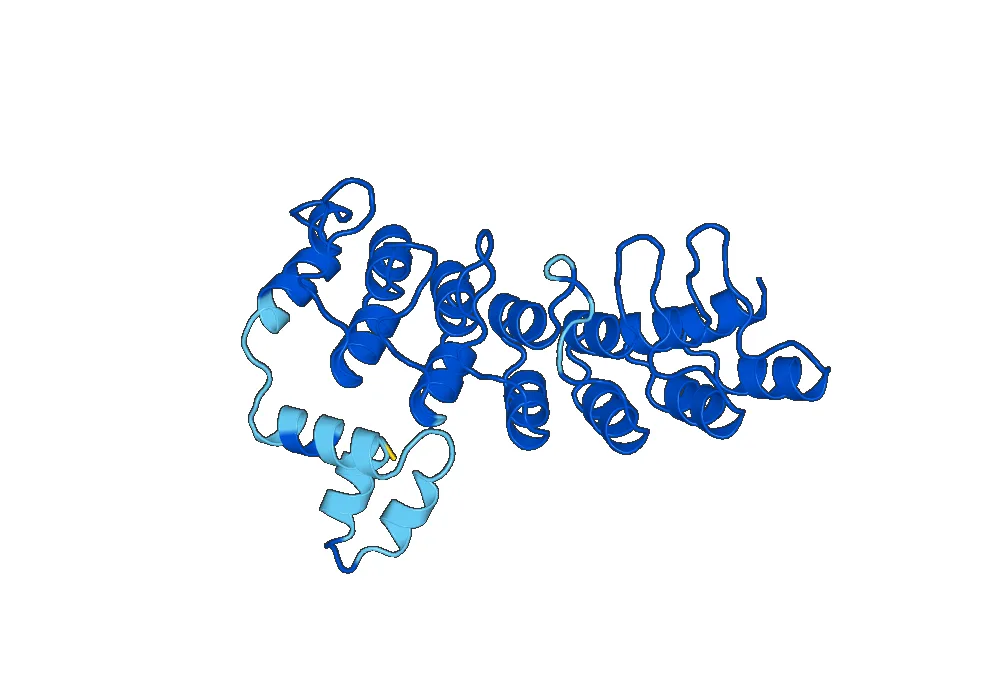
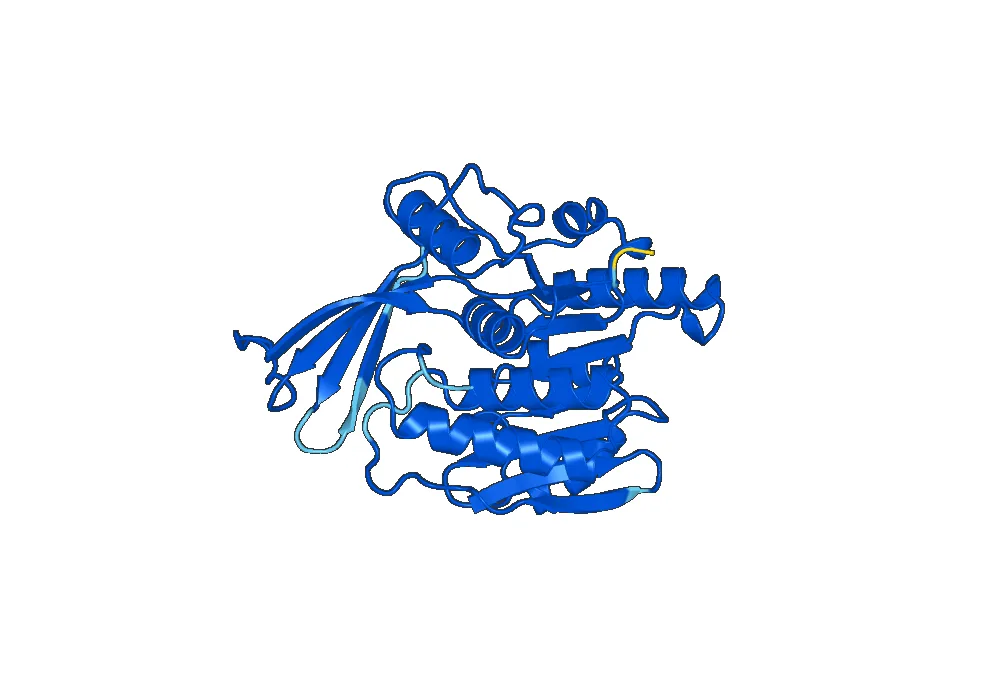
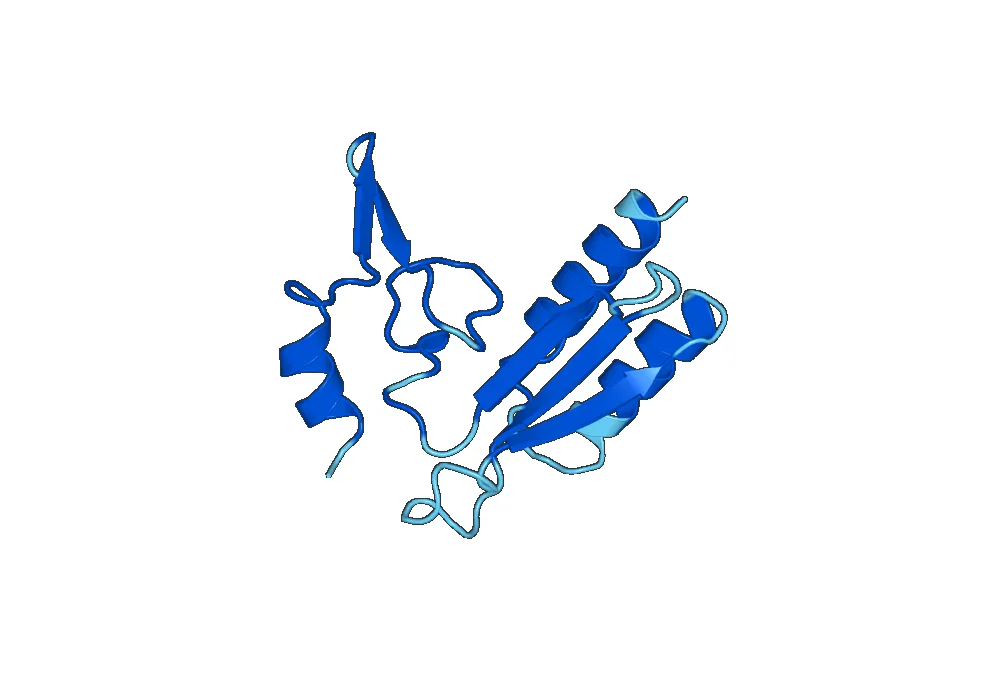
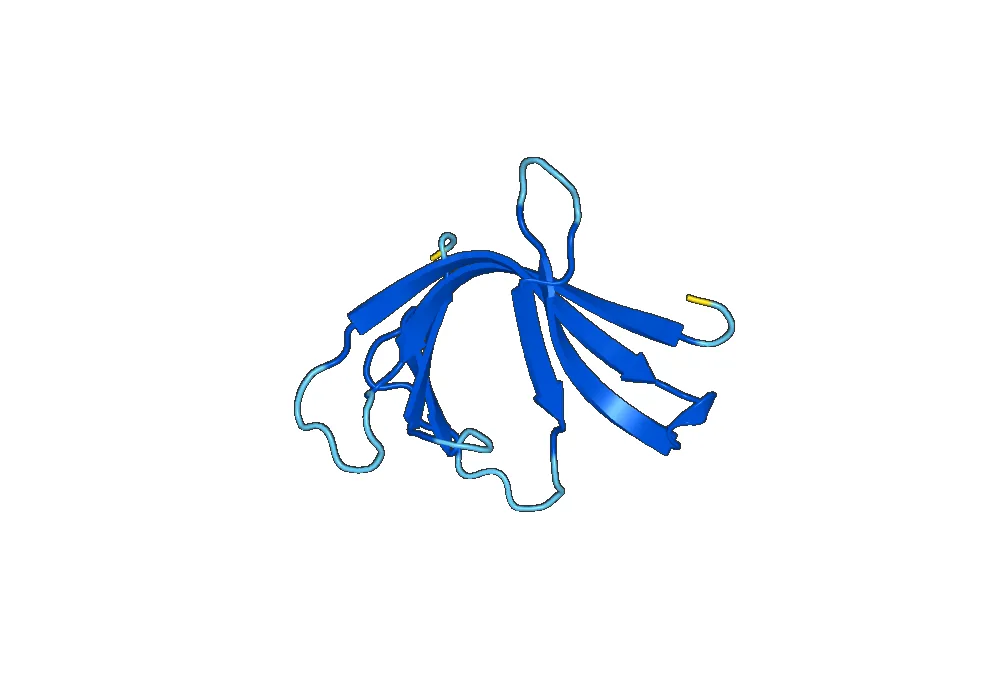
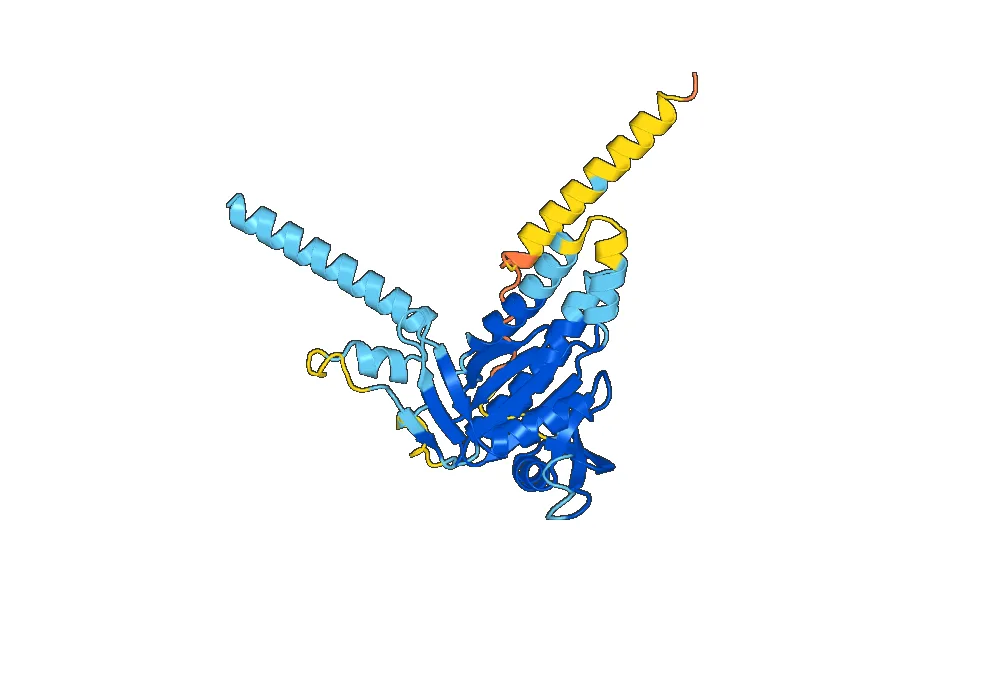
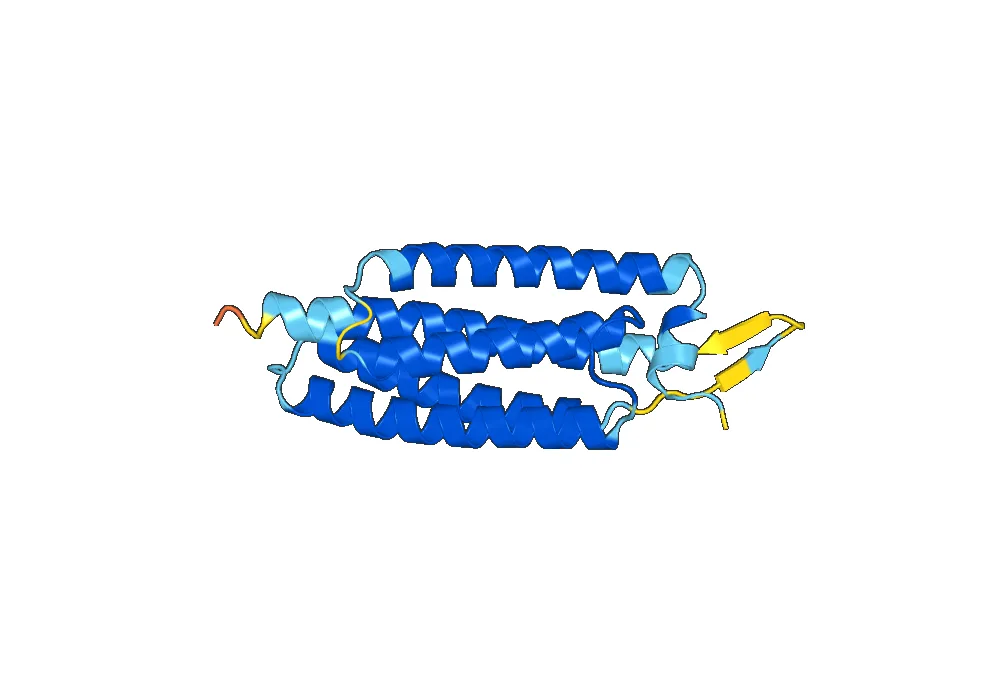
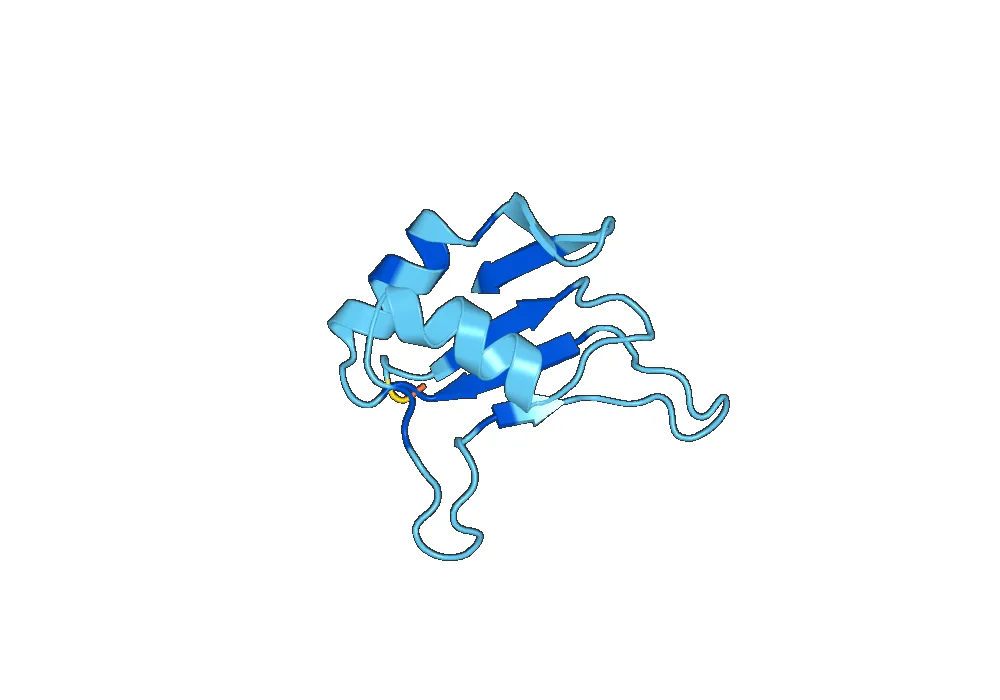
The recombinant human ASB9 protein is a 19 kDa protein consisting of 170 amino acids. It contains an N-terminal ankyrin repeat domain and a C-terminal SOCS box domain. The ankyrin repeat domain is responsible for protein-protein interactions, while the SOCS box domain is involved in targeting proteins for degradation through the ubiquitin-proteasome pathway.
Activity of Recombinant Human ASB9 Protein
The main activity of recombinant human ASB9 protein is its role in protein degradation. It acts as an E3 ubiquitin ligase, which means it helps in the transfer of ubiquitin molecules to target proteins. This tagging of proteins with ubiquitin marks them for degradation by the proteasome. ASB9 has been shown to interact with various proteins involved in different cellular processes, such as cytokine signaling, cell cycle regulation, and immune response.
Moreover, ASB9 has been found to regulate the activity of several important proteins, including p53, c-Jun, and NF-κB. These proteins are involved in cell growth, differentiation, and survival. By targeting these proteins for degradation, ASB9 plays a crucial role in maintaining cellular homeostasis and preventing the development of diseases such as cancer.
Application of Recombinant Human ASB9 Protein
Recombinant human ASB9 protein has potential applications in both research and therapeutic settings. In research, it can be used to study the role of ASB9 in various cellular processes and its interactions with different proteins. It can also be used to investigate the effects of ASB9 dysregulation in diseases such as cancer.
In terms of therapeutics, ASB9 has been identified as a potential target for cancer treatment. Studies have shown that ASB9 is overexpressed in several types of cancer, including breast, lung, and prostate cancer. By targeting ASB9 with specific inhibitors, it may be possible to prevent the degradation of important proteins involved in cancer progression.
Furthermore, ASB9 has also been linked to autoimmune diseases such as rheumatoid arthritis and multiple sclerosis. In these conditions, ASB9 may play a role in regulating the activity of immune cells. By targeting ASB9, it may be possible to modulate the immune response and potentially alleviate symptoms of these diseases.
Conclusion
In summary, recombinant human ASB9 protein is a synthetic version of the ASB9 protein that plays an important role in protein degradation and cellular processes. Its structure, consisting of an ankyrin repeat domain and a SOCS box domain, allows it to interact with and regulate various proteins involved in cell signaling and immune response. With its potential applications in research and therapeutics, recombinant human ASB9 protein holds promise in further understanding the role of ASB9 in diseases and potentially developing targeted treatments.

There are no reviews yet.