Introduction to Recombinant Human CTNNA1 Protein
Recombinant Human CTNNA1 Protein is a synthetic version of the human alpha-catenin protein, which is encoded by the CTNNA1 gene. This protein plays a crucial role in cell adhesion and signaling pathways, and its dysfunction has been linked to various diseases, including cancer and developmental disorders. The recombinant form of this protein is produced through genetic engineering techniques, making it a valuable tool for research and therapeutic applications.
Structure of Recombinant Human CTNNA1 Protein
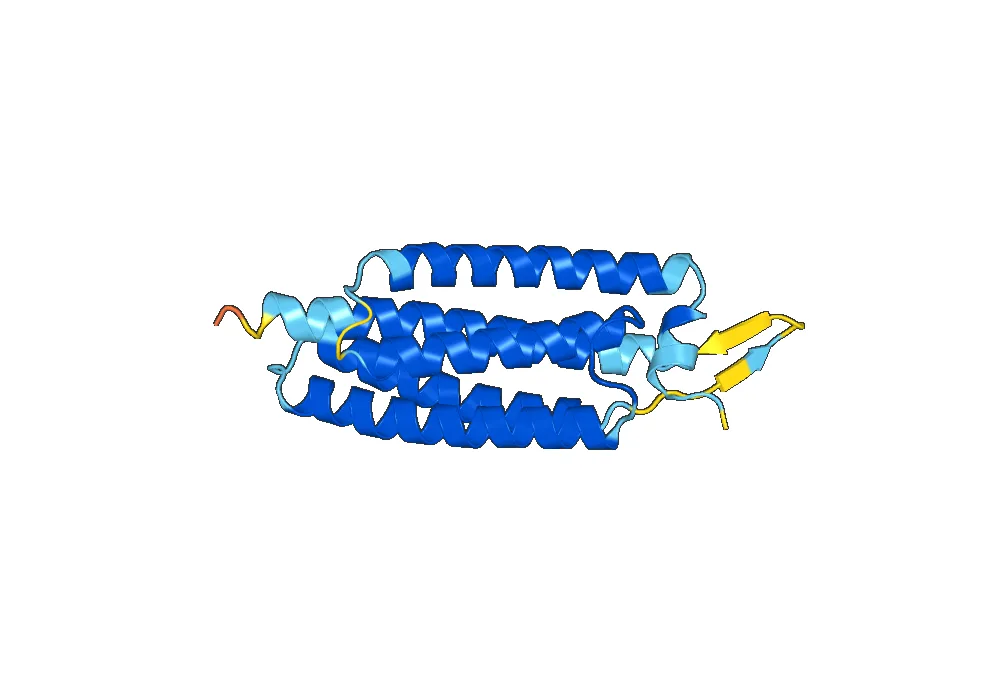
The recombinant form of CTNNA1 protein is a 906 amino acid long polypeptide with a molecular weight of approximately 102 kDa. It consists of three major domains: an N-terminal domain, a central armadillo repeat domain, and a C-terminal domain. The N-terminal domain is responsible for binding to other proteins, while the armadillo repeat domain is involved in protein-protein interactions. The C-terminal domain is responsible for binding to the actin cytoskeleton, which is essential for the protein’s role in cell adhesion.
Recombinant Human CTNNA1 Protein also contains several phosphorylation sites, which play a crucial role in regulating its activity. Phosphorylation of these sites can affect the protein’s binding affinity and stability, making it an essential mechanism for controlling its function.
Activity of Recombinant Human CTNNA1 Protein
Recombinant Human CTNNA1 Protein is a key component of the adherens junction, a specialized structure that mediates cell-cell adhesion. This protein binds to other proteins, such as cadherins and catenins, to form a complex that connects adjacent cells. This interaction is crucial for maintaining the integrity and stability of tissues and organs, as well as for regulating cell signaling pathways.
In addition to its role in cell adhesion, recombinant CTNNA1 protein has been shown to play a role in cell migration, proliferation, and differentiation. It also interacts with other signaling molecules, such as Wnt and TGF-beta, to regulate various cellular processes. Dysregulation of CTNNA1 activity has been linked to cancer progression, as well as developmental disorders, highlighting the importance of this protein in maintaining normal cellular function.
Applications of Recombinant Human CTNNA1 Protein
Recombinant Human CTNNA1 Protein has a wide range of applications in both research and therapeutic settings. In research, this protein is commonly used as a tool to study cell adhesion and signaling pathways. Its recombinant form allows for precise control and manipulation of its activity, making it a valuable tool for understanding the role of CTNNA1 in various cellular processes.
In therapeutic applications, recombinant CTNNA1 protein has shown potential for treating diseases associated with its dysfunction, such as cancer. By targeting the protein’s activity, it may be possible to inhibit tumor growth and metastasis. Additionally, recombinant CTNNA1 protein can be used in tissue engineering to improve cell adhesion and promote tissue regeneration.
Conclusion
Recombinant Human CTNNA1 Protein is a crucial component of cell adhesion and signaling pathways, with its dysfunction linked to various diseases. Its recombinant form allows for precise control and manipulation of its activity, making it a valuable tool for research and therapeutic applications. With its potential for treating diseases and improving tissue engineering, this protein holds promise for future advancements in the field of biotechnology.

There are no reviews yet.