The Structure of Recombinant Human ARID3A Protein
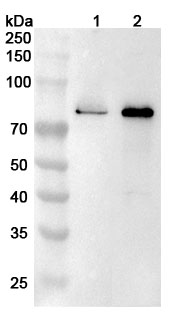
Recombinant Human ARID3A Protein, also known as AT-rich interactive domain-containing protein 3A, is a transcription factor that plays a crucial role in regulating gene expression and cell differentiation. It is a 47 kDa protein composed of 422 amino acids, encoded by the ARID3A gene located on chromosome 19.
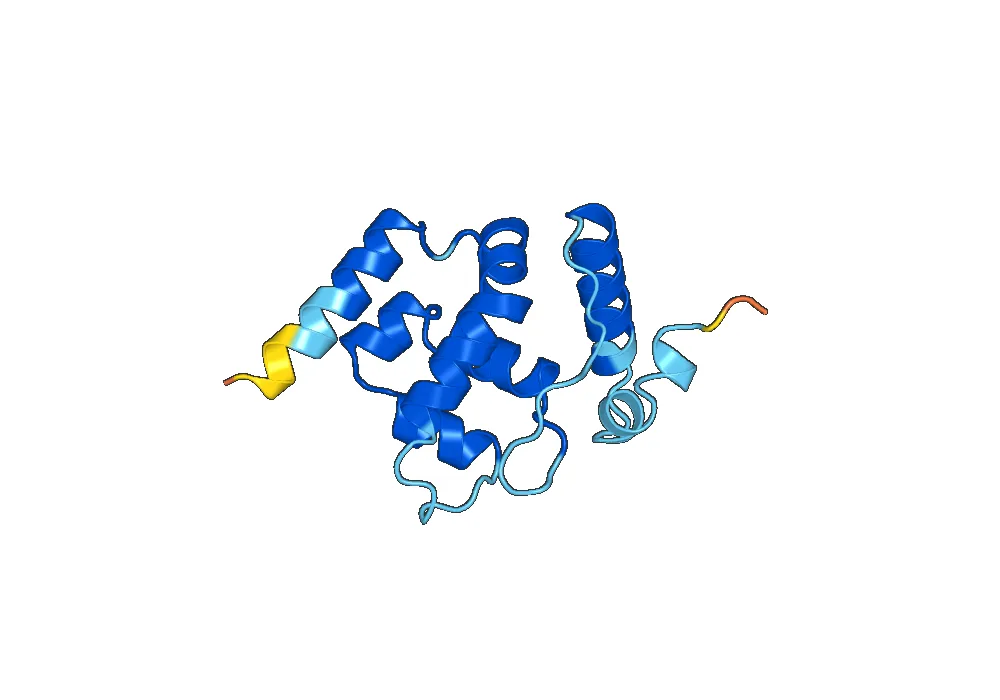
The protein structure of ARID3A is characterized by three distinct domains: the AT-rich interaction domain (ARID), the glutamine-rich (Q-rich) domain, and the serine/threonine-rich (S/T-rich) domain. The ARID domain is responsible for DNA binding and recognition, while the Q-rich and S/T-rich domains are involved in protein-protein interactions.
The Activity of Recombinant Human ARID3A Protein
The primary function of ARID3A protein is to regulate gene expression by binding to specific DNA sequences and recruiting other transcription factors and co-regulators to the promoter regions. This interaction leads to the activation or repression of target genes, depending on the cellular context.
Studies have shown that ARID3A is essential for embryonic development and plays a critical role in cell fate determination and differentiation of various cell types, including B and T lymphocytes, neural crest cells, and hematopoietic stem cells. It also plays a crucial role in maintaining the self-renewal capacity of embryonic stem cells.
Furthermore, ARID3A has been implicated in various diseases, including cancer, where it acts as an oncogene or tumor suppressor depending on the cellular context. It is overexpressed in several types of cancers, including breast, lung, and colon cancer, and its expression has been associated with poor prognosis and drug resistance.
The Applications of Recombinant Human ARID3A Protein
Recombinant Human ARID3A Protein has various applications in both research and therapeutic settings. In research, it is used as a tool to study the role of ARID3A in gene regulation and cell differentiation. It can be used to overexpress or knockdown ARID3A in cell lines or animal models to understand its function in different cellular processes.
In therapeutic applications, ARID3A has shown potential as a target for cancer therapy. Inhibiting ARID3A expression or activity has been shown to reduce tumor growth and sensitize cancer cells to chemotherapy. Therefore, recombinant ARID3A protein can be used in drug discovery and development to identify potential inhibitors or activators of ARID3A for cancer treatment.
Another potential therapeutic application of recombinant ARID3A protein is in stem cell research. As ARID3A plays a crucial role in maintaining the self-renewal capacity of embryonic stem cells, it can be used to enhance the efficiency of stem cell culture and differentiation protocols.
In conclusion, Recombinant Human ARID3A Protein is a crucial transcription factor with diverse roles in gene regulation and cell differentiation. Its unique structure and activity make it an essential tool for research and a potential target for cancer therapy and stem cell research. Further studies on ARID3A and its interaction with other proteins will provide a deeper understanding of its function and potential applications in various fields.
There are no reviews yet.