Recombinant Human ARCN1 Protein: Structure, Activity and Application
Introduction
Recombinant Human ARCN1 Protein, also known as coatomer subunit delta, is a protein that plays a crucial role in the formation of COPI-coated vesicles in the early secretory pathway. It is a component of the coatomer complex, which is responsible for the retrograde transport of proteins from the Golgi apparatus to the endoplasmic reticulum. In this article, we will discuss the structure, activity, and application of this important protein.
Structure of Recombinant Human ARCN1 Protein
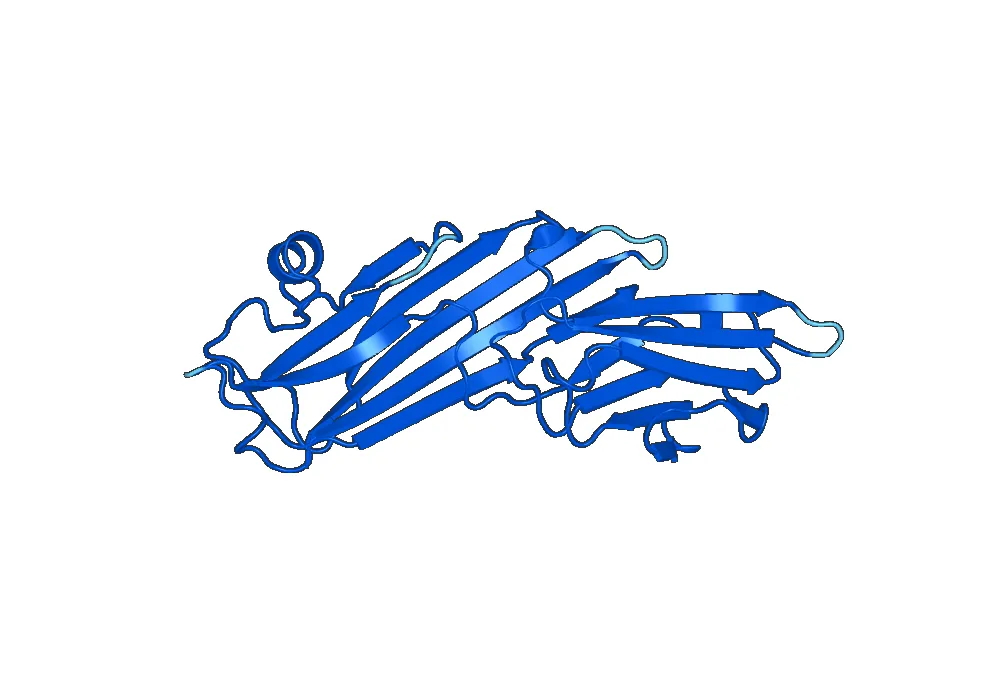
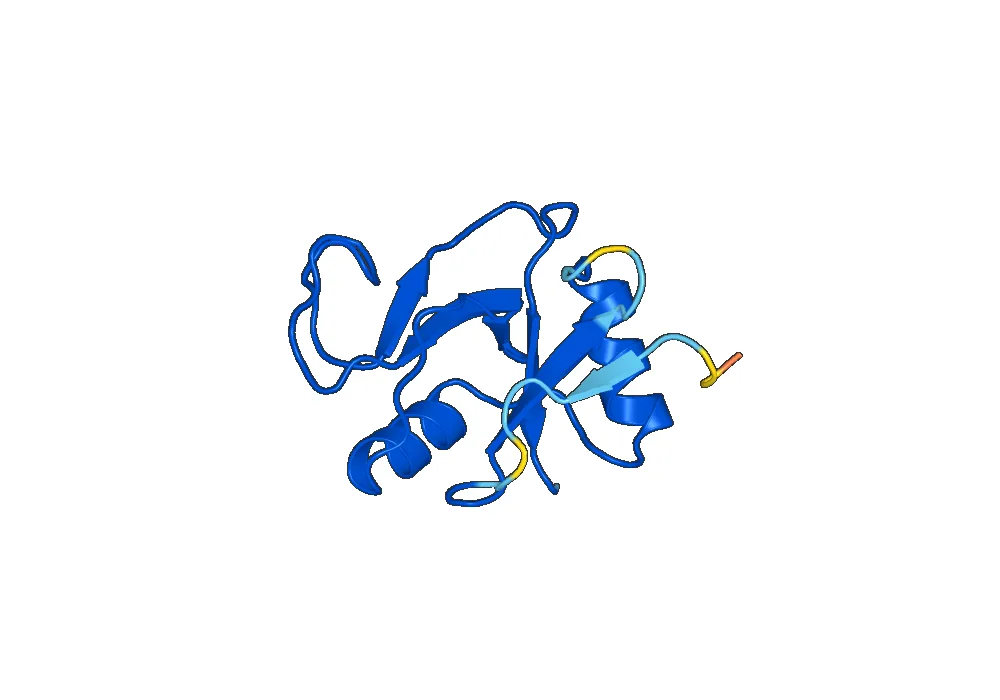
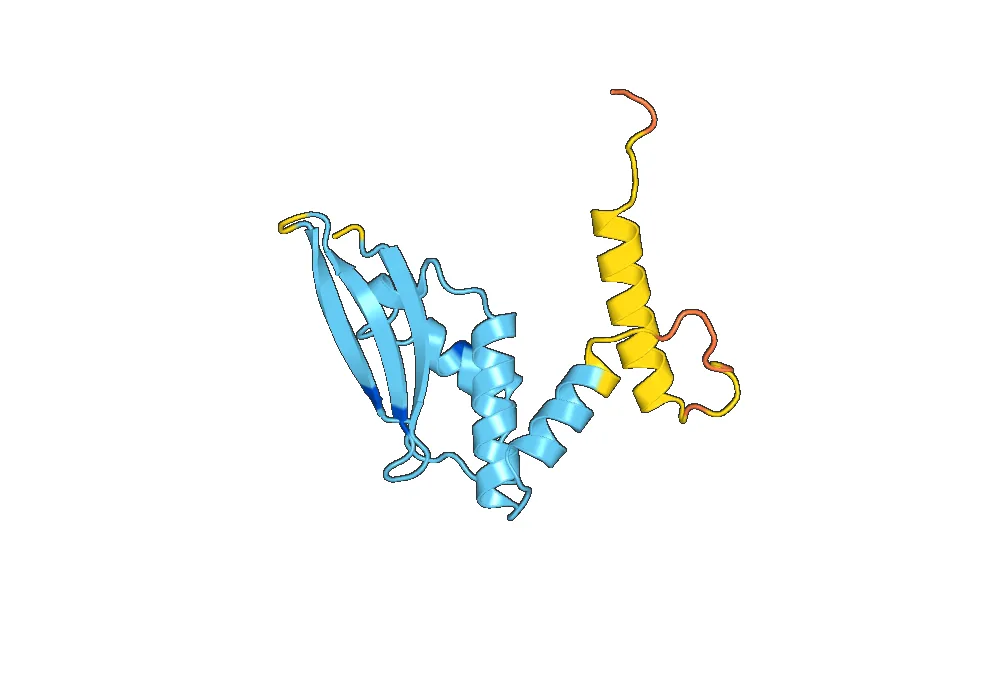
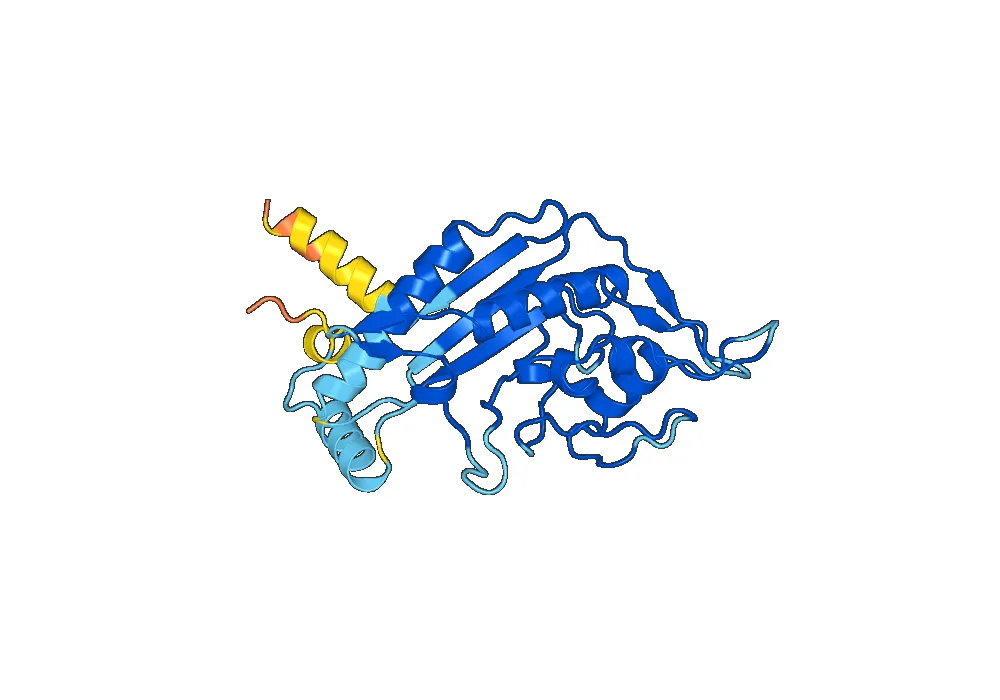
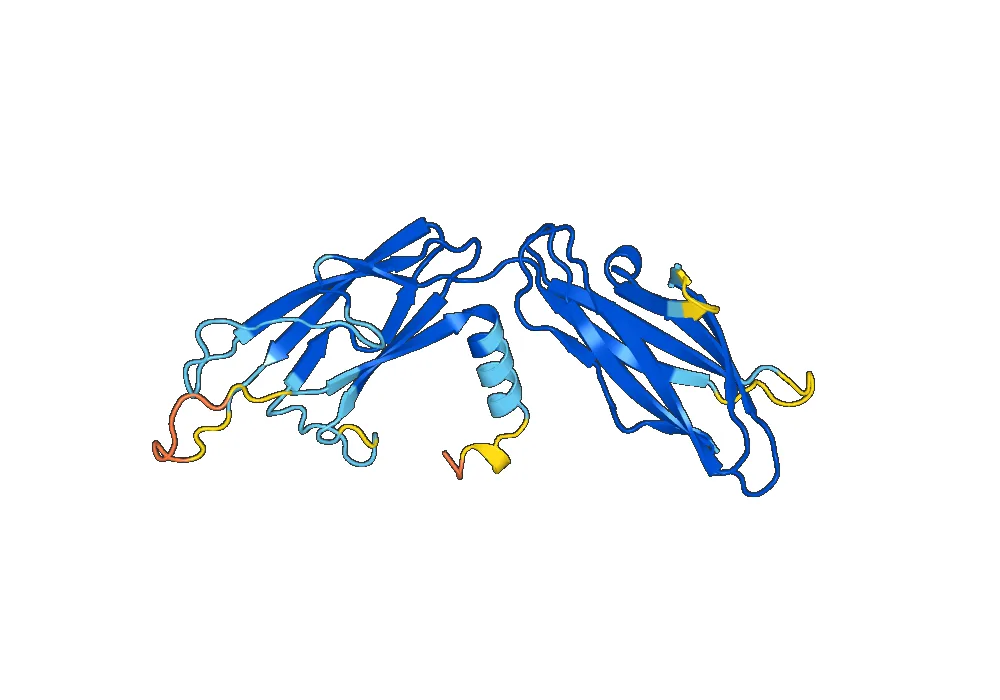
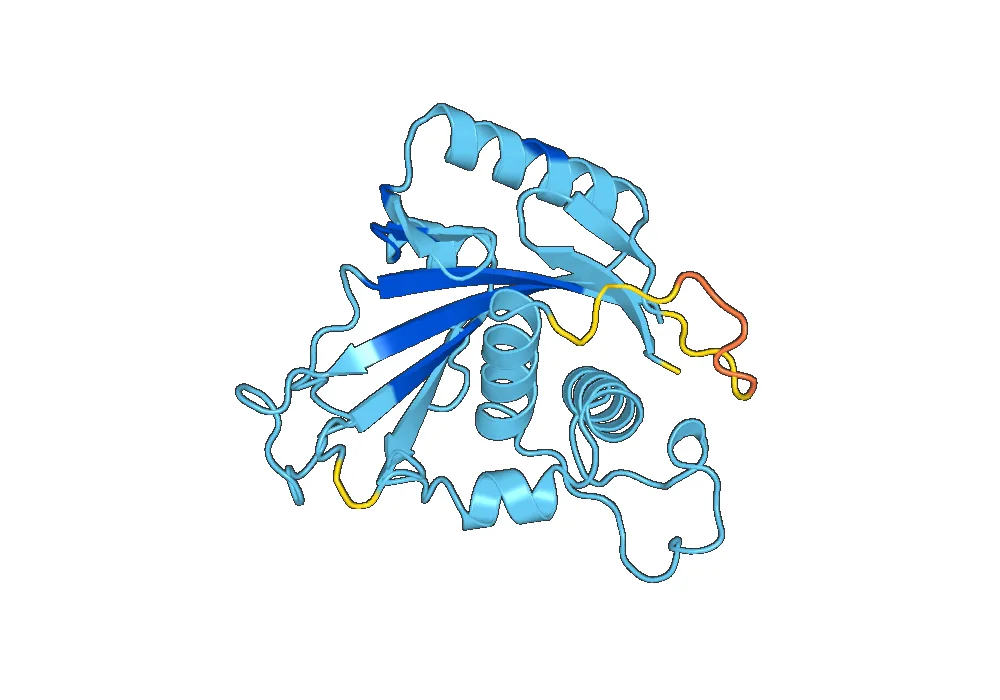
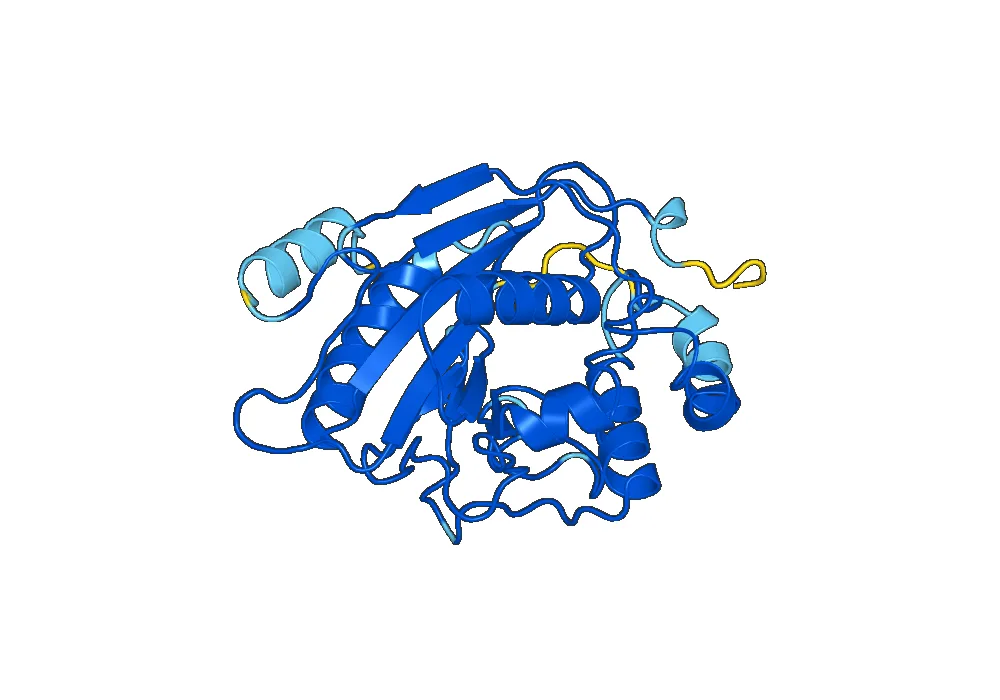
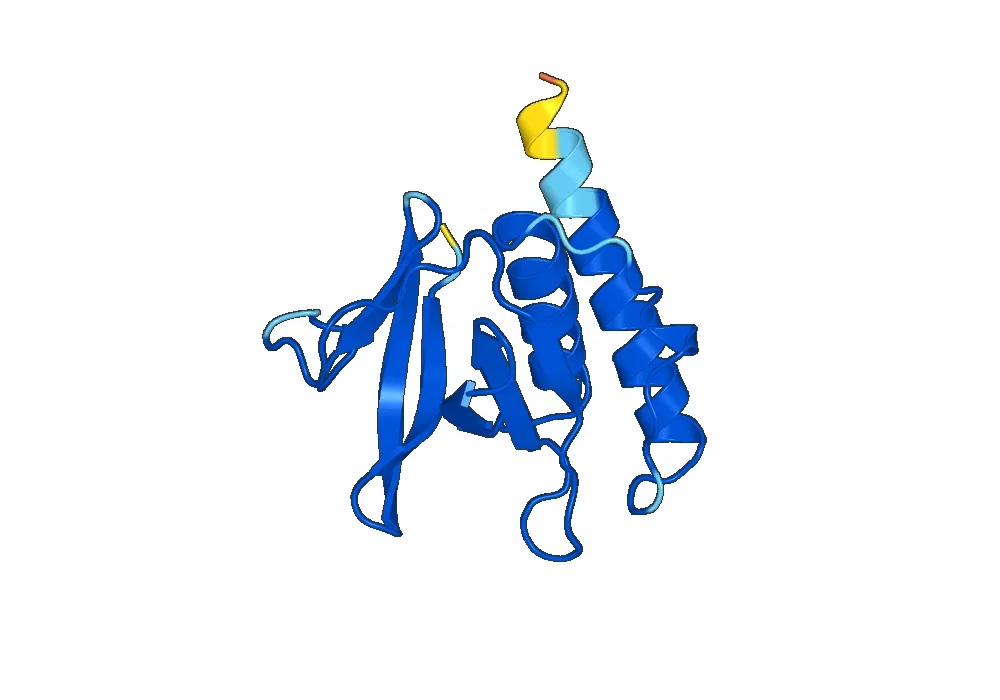
The Recombinant Human ARCN1 Protein is a 24 kDa protein that consists of 217 amino acids. It is composed of seven WD (tryptophan-aspartic acid) repeat domains, which are characteristic of proteins involved in protein-protein interactions. These domains are responsible for the binding of ARCN1 to other proteins in the coatomer complex. The crystal structure of the protein has been determined, revealing a compact, globular structure with a central pore that is thought to be the site of interaction with other coatomer subunits.
Activity of Recombinant Human ARCN1 Protein
The main activity of Recombinant Human ARCN1 Protein is its role in the formation of COPI-coated vesicles. These vesicles are essential for the retrograde transport of proteins from the Golgi apparatus to the endoplasmic reticulum, ensuring proper protein sorting and trafficking within the cell. ARCN1 interacts with other coatomer subunits to form the coatomer complex, which then binds to cargo molecules and initiates the formation of COPI-coated vesicles. It is also involved in maintaining the structural integrity of the Golgi apparatus and is essential for proper cell function.
Application of Recombinant Human ARCN1 Protein
Recombinant Human ARCN1 Protein has a wide range of applications in both research and medical fields. One of its main applications is in the study of the early secretory pathway and protein trafficking. By using recombinant ARCN1 protein, researchers can gain a better understanding of the mechanisms involved in COPI-coated vesicle formation and the role of coatomer subunits in this process.
In the medical field, Recombinant Human ARCN1 Protein has been used in the development of therapies for diseases related to protein trafficking defects. These include certain types of cancer, neurodegenerative disorders, and infectious diseases. By studying the structure and function of ARCN1, researchers can identify potential targets for drug development and design therapies to correct protein trafficking defects.
Conclusion
In summary, Recombinant Human ARCN1 Protein is an essential component of the coatomer complex and is involved in the formation of COPI-coated vesicles in the early secretory pathway. Its structure, activity, and application have been extensively studied, and it has shown great potential in both research and medical fields. With further research, this protein could potentially lead to the development of new therapies for diseases related to protein trafficking defects.

There are no reviews yet.