Introduction
Recombinant Human AP1M1 is a protein that plays a crucial role in intracellular trafficking and vesicle formation. It is a member of the Adaptor Protein 1 (AP1) complex, which is responsible for sorting and transporting proteins between different cellular compartments. AP1M1 is an essential component of this complex and is involved in the formation of clathrin-coated vesicles, which are responsible for the transport of proteins from the trans-Golgi network to the endosomes. In this article, we will discuss the structure, activity, and applications of Recombinant Human AP1M1.
Structure of Recombinant Human AP1M1
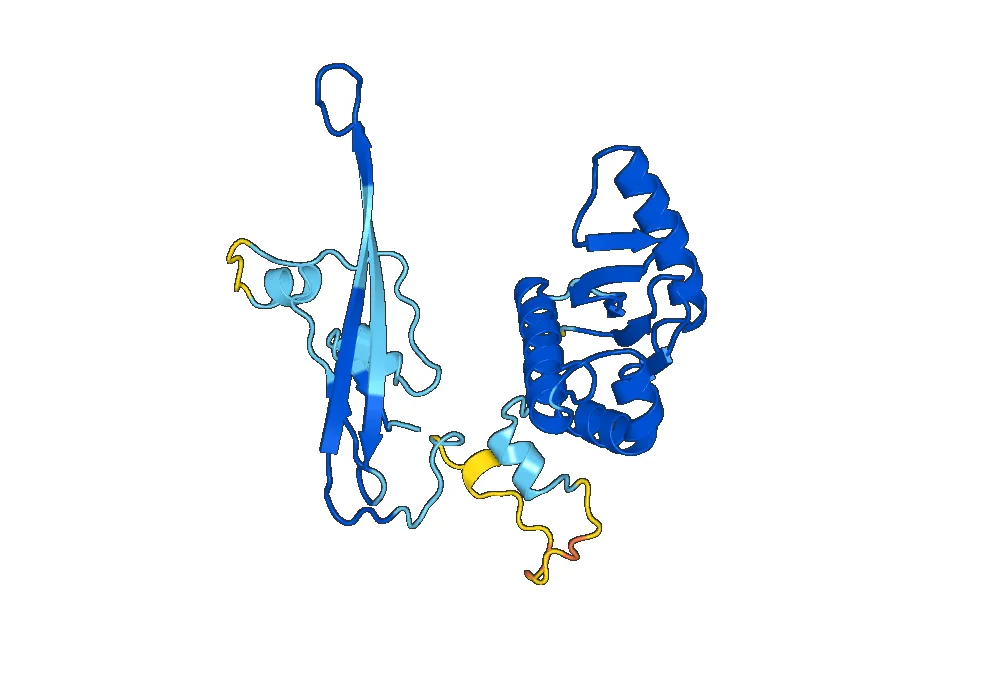
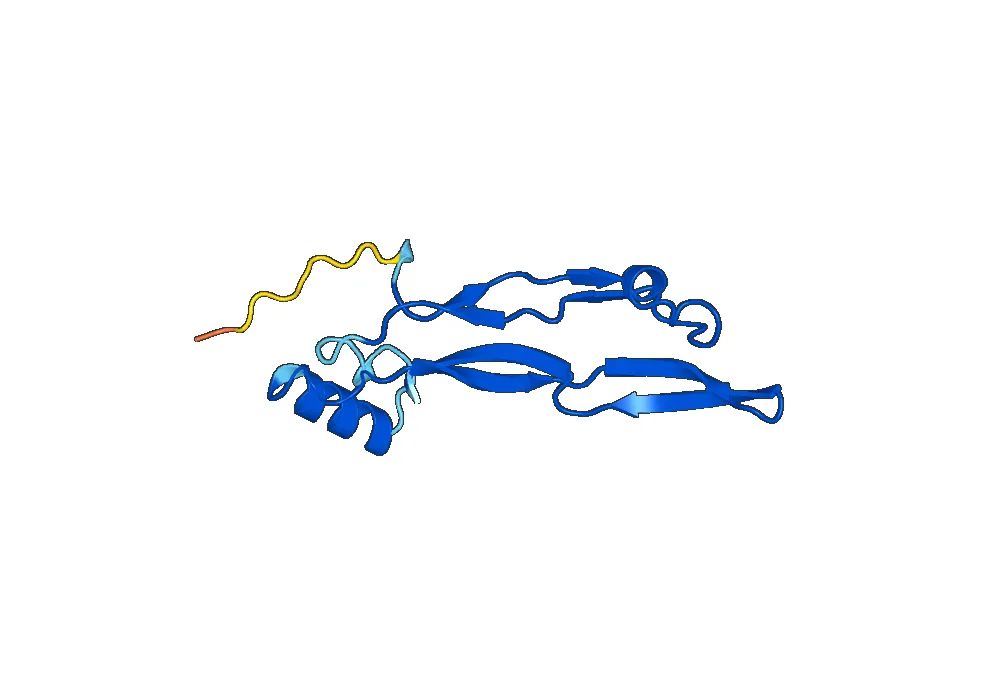
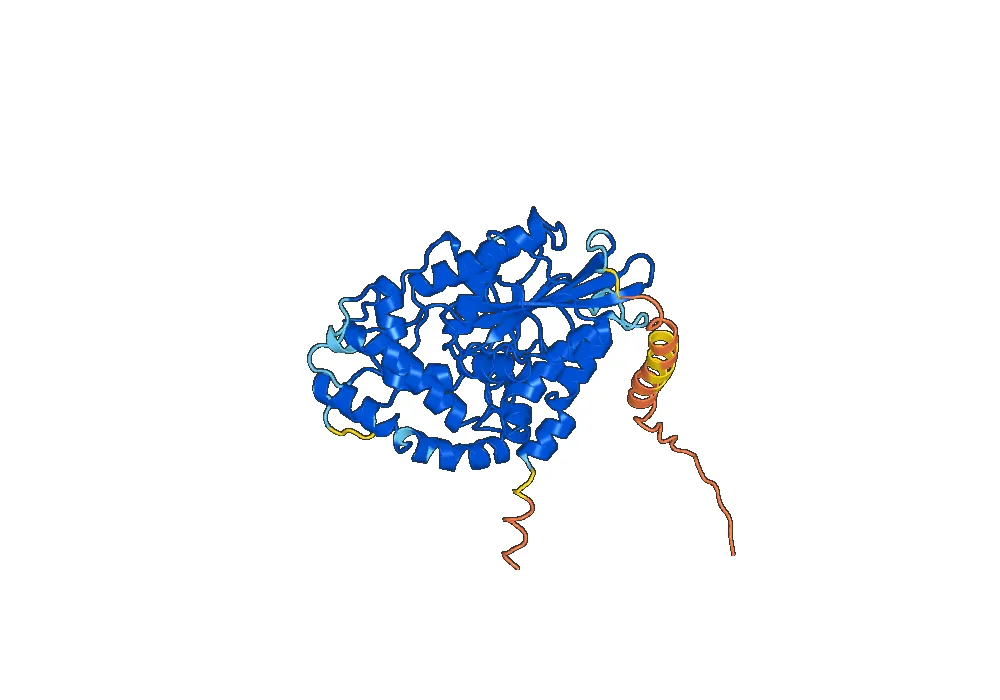
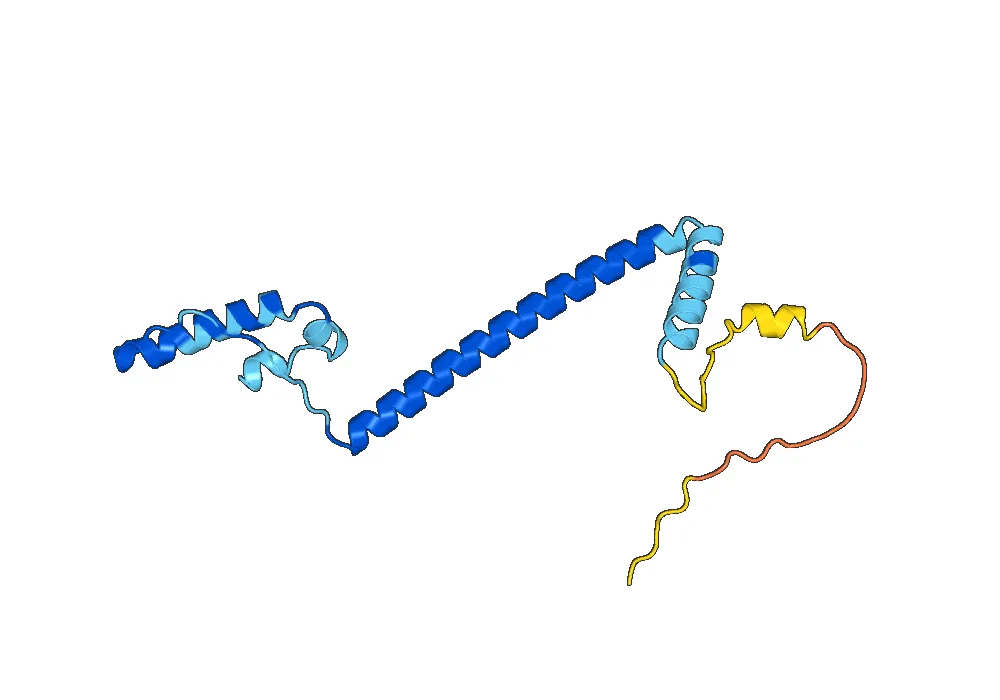
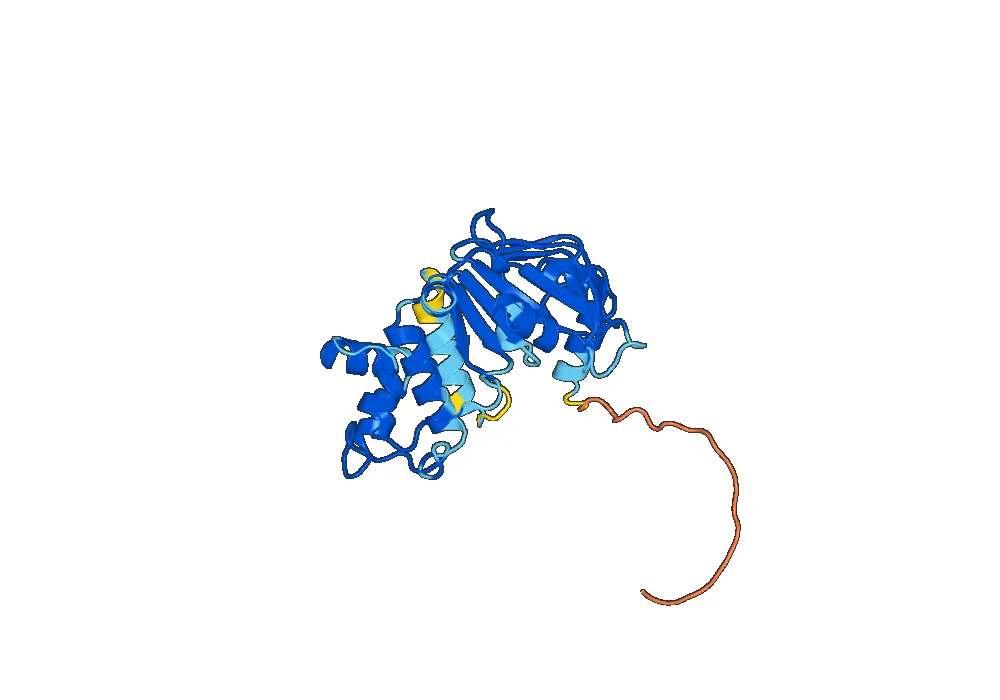
Recombinant Human AP1M1 is a 48 kDa protein that consists of 410 amino acids. It is composed of four subunits, including two large subunits (AP1M1 and AP1M2) and two small subunits (AP1S1 and AP1S2). The AP1M1 subunit contains a clathrin-binding motif, a phosphatidylinositol 4-phosphate (PI4P) binding domain, and a tyrosine-based sorting motif. These domains are essential for the function of AP1M1 in vesicle formation and protein sorting.
Activity of Recombinant Human AP1M1
Recombinant Human AP1M1 plays a crucial role in the formation of clathrin-coated vesicles. These vesicles are formed at the trans-Golgi network and are responsible for the transport of cargo proteins to the endosomes. AP1M1 interacts with clathrin, a protein that forms the coat of these vesicles, through its clathrin-binding motif. This interaction is essential for the recruitment of clathrin to the membrane and the formation of clathrin-coated pits. In addition, AP1M1 also interacts with PI4P through its PI4P binding domain. This interaction is crucial for the localization of AP1M1 to the trans-Golgi network and the formation of clathrin-coated vesicles.
Apart from its role in vesicle formation, Recombinant Human AP1M1 is also involved in protein sorting. It recognizes and binds to sorting signals on cargo proteins through its tyrosine-based sorting motif. This binding facilitates the packaging of cargo proteins into clathrin-coated vesicles and their transport to the endosomes. Furthermore, AP1M1 also interacts with other adaptor proteins, such as AP1S1 and AP1S2, to regulate the formation and function of the AP1 complex.
Applications of Recombinant Human AP1M1
Recombinant Human AP1M1 has various applications in the field of cell biology and biochemistry. It is commonly used as a tool to study the mechanisms of intracellular trafficking and protein sorting. Recombinant AP1M1 can be expressed and purified in large quantities, making it a valuable reagent for in vitro studies. It can also be used in cell-based assays to investigate the role of AP1M1 in vesicle formation and protein sorting.
Moreover, Recombinant Human AP1M1 has potential therapeutic applications. Mutations in the AP1M1 gene have been associated with neurological disorders such as autism and intellectual disability. Recombinant AP1M1 can be used to study these mutations and their effects on protein function, which can aid in the development of targeted therapies for these disorders.
In conclusion, Recombinant Human AP1M1 is a crucial protein involved in intracellular trafficking and protein sorting. Its structure and activity make it an essential component of the AP1 complex, which is responsible for the transport of proteins between cellular compartments. Recombinant AP1M1 has various applications in research and potential therapeutic uses, making it an important protein for further study.



There are no reviews yet.