Recombinant Human NPHS2: Structure, Activity, and Application
Introduction
Recombinant human NPHS2, also known as podocin, is a protein that plays a crucial role in maintaining the structure and function of the kidney filtration barrier. It is a transmembrane protein that is primarily expressed in the podocytes, specialized cells in the glomerulus of the kidney responsible for filtering blood. Mutations in the NPHS2 gene have been linked to the development of nephrotic syndrome, a rare kidney disorder characterized by excessive protein loss in the urine.
Structure of Recombinant Human NPHS2
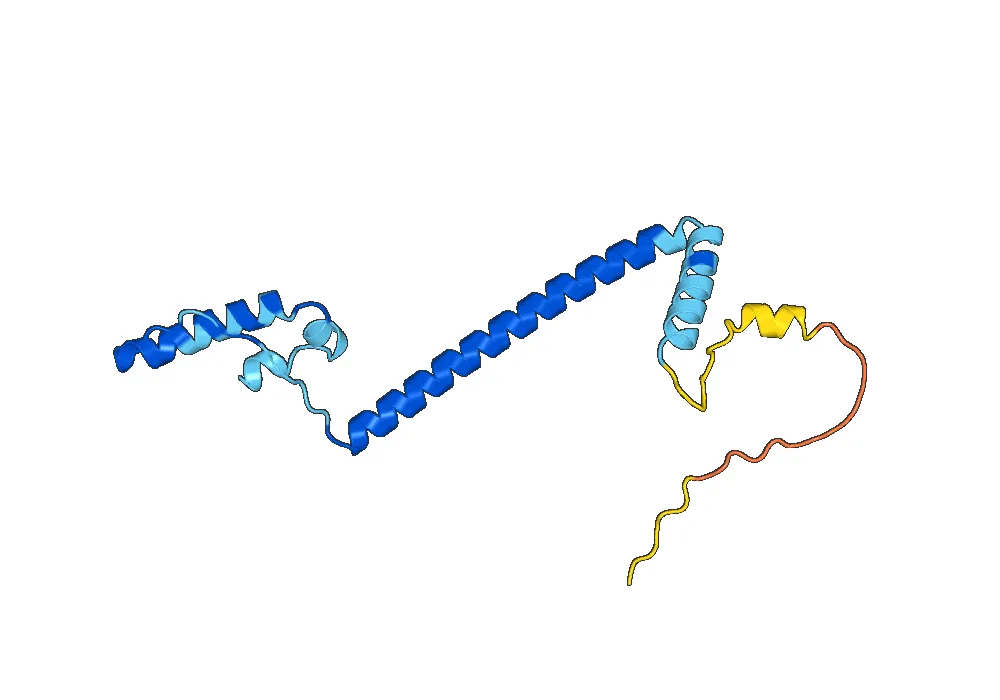
The NPHS2 gene is located on chromosome 1 and encodes for a protein of 383 amino acids. The protein consists of three domains: an N-terminal domain, a transmembrane domain, and a C-terminal domain. The N-terminal domain contains a coiled-coil region that is essential for the formation of protein complexes. The transmembrane domain anchors the protein to the cell membrane, while the C-terminal domain interacts with other proteins involved in maintaining the structure of the kidney filtration barrier.
Activity of Recombinant Human NPHS2
Recombinant human NPHS2 has been extensively studied for its role in the development and maintenance of the kidney filtration barrier. It is a key component of the protein complex known as the slit diaphragm, which is responsible for regulating the passage of molecules through the filtration barrier. Studies have shown that mutations in the NPHS2 gene disrupt the function of the slit diaphragm, leading to increased permeability and protein loss in the urine.
Furthermore, NPHS2 has been shown to interact with other proteins, such as nephrin and CD2AP, to form a tripartite complex that is crucial for maintaining the structural integrity of the slit diaphragm. This complex also plays a role in signaling pathways that regulate the function of podocytes and the filtration barrier.
Application of Recombinant Human NPHS2
Recombinant human NPHS2 has various applications in both research and clinical settings. One of the main applications is in the study of nephrotic syndrome and other kidney disorders. By studying the structure and function of NPHS2, researchers can gain a better understanding of the underlying mechanisms of these diseases and potentially develop new treatments.
Additionally, recombinant human NPHS2 can be used as an antigen in diagnostic tests for nephrotic syndrome. Antibodies against NPHS2 can be used to detect mutations in the gene and aid in the diagnosis of the disease. This can also be useful in genetic counseling for families with a history of nephrotic syndrome.
In the future, recombinant human NPHS2 may also have therapeutic applications. As our understanding of the protein and its role in kidney function continues to grow, it may be possible to develop targeted therapies to treat kidney disorders associated with NPHS2 mutations.
Conclusion
In summary, recombinant human NPHS2 is a key protein involved in maintaining the structure and function of the kidney filtration barrier. Its structure, activity, and application have been extensively studied and have provided valuable insights into the development and treatment of kidney disorders. Further research on NPHS2 may lead to new therapeutic options for patients with nephrotic syndrome and other related conditions.

There are no reviews yet.