Pulocimab Biosimilar: A Novel Anti-VEGFR2 mAb for Therapeutic Targeting
Pulocimab is a biosimilar version of the monoclonal antibody (mAb) targeting vascular endothelial growth factor receptor 2 (VEGFR2). This novel antibody has gained significant attention in the scientific community due to its potential therapeutic applications in various diseases. In this article, we will explore the structure, activity, and potential applications of Pulocimab Biosimilar in detail.
Structure of Pulocimab Biosimilar
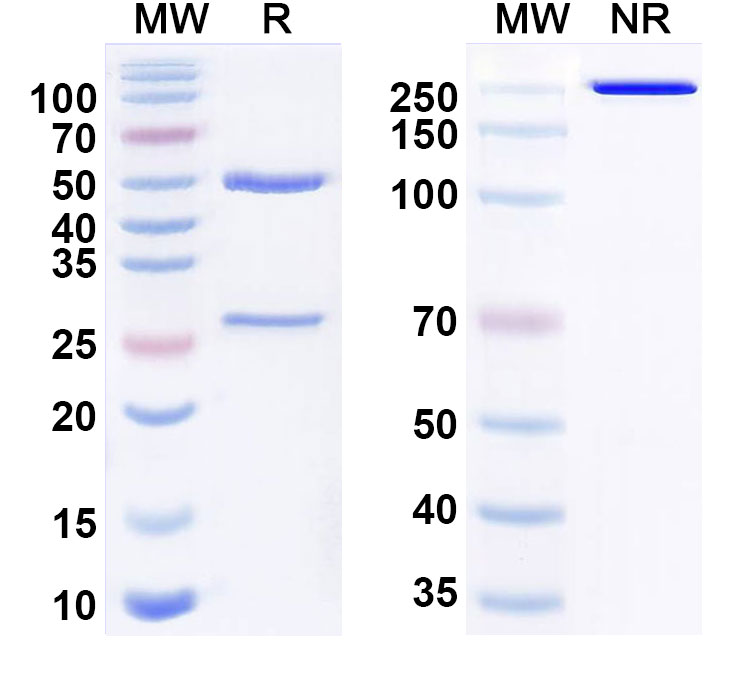
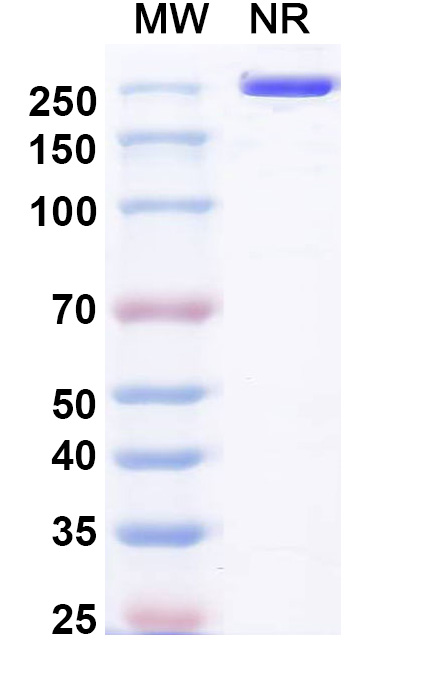
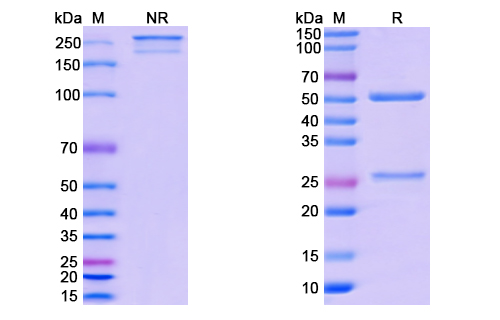
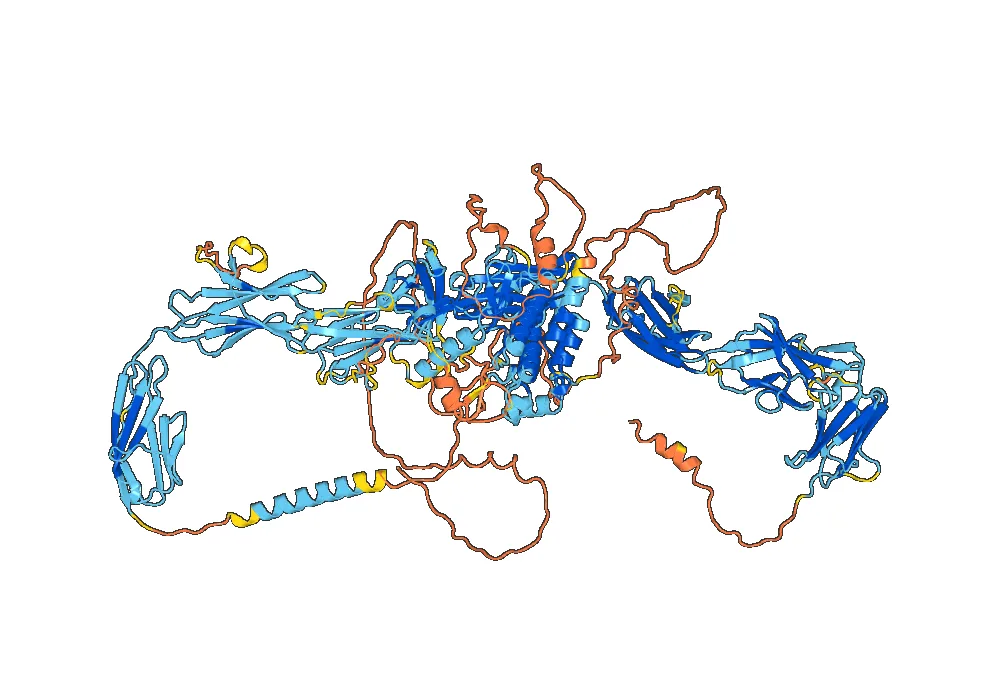
Pulocimab Biosimilar is a recombinant humanized IgG1κ monoclonal antibody composed of two heavy chains and two light chains. The antibody has a molecular weight of approximately 150 kDa and consists of 1,330 amino acids. The amino acid sequence of Pulocimab Biosimilar is highly similar to the originator antibody, making it a biosimilar version.
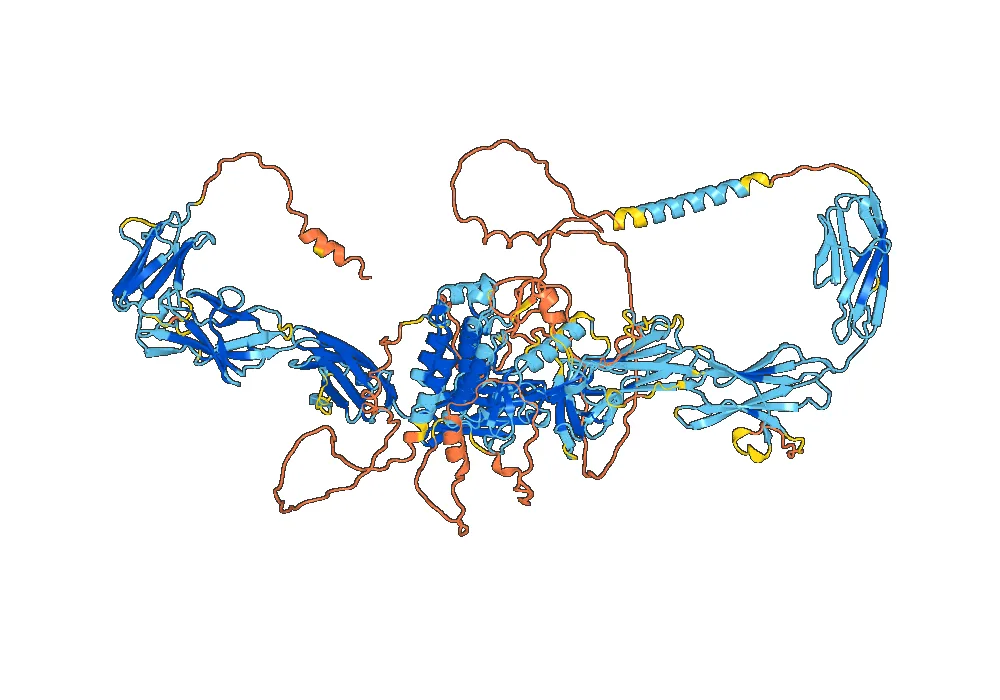
The antibody has a characteristic Y-shaped structure, with two antigen-binding fragments (Fab) and one crystallizable fragment (Fc). The Fab region is responsible for binding to the target antigen, while the Fc region plays a crucial role in mediating effector functions such as antibody-dependent cellular cytotoxicity (ADCC) and complement-dependent cytotoxicity (CDC).
Mechanism of Action
Pulocimab Biosimilar specifically targets VEGFR2, a transmembrane receptor expressed on the surface of endothelial cells. VEGFR2 plays a crucial role in angiogenesis, the process of forming new blood vessels from pre-existing ones. This receptor is overexpressed in various diseases, including cancer, age-related macular degeneration, and diabetic retinopathy, making it an attractive therapeutic target.
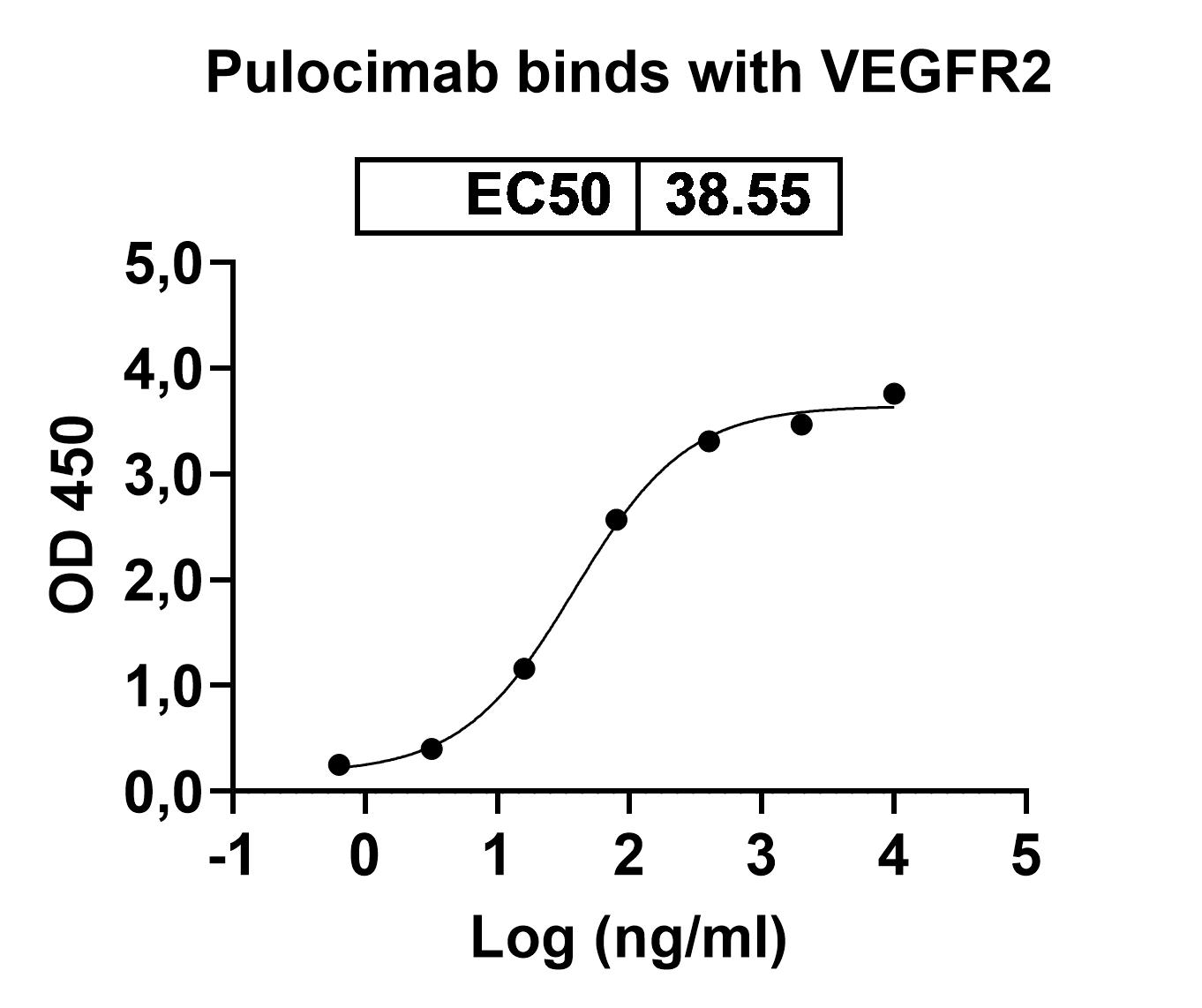
Upon binding to VEGFR2, Pulocimab Biosimilar inhibits the binding of VEGF, the ligand for VEGFR2, leading to the inhibition of downstream signaling pathways. This results in the suppression of angiogenesis, reducing the supply of nutrients and oxygen to the tumor, and ultimately inhibiting tumor growth and metastasis.
Potential Applications
Pulocimab Biosimilar has shown promising results in preclinical studies and is currently being evaluated in clinical trials for various indications. Some of the potential applications of this antibody are:
Cancer Angiogenesis plays a vital role in the growth and spread of cancer. By targeting VEGFR2, Pulocimab Biosimilar has the potential to inhibit tumor growth and metastasis in various types of cancer, including lung, breast, and colorectal cancer. Clinical trials have shown promising results in combination with chemotherapy and other targeted therapies.
Age-related Macular Degeneration (AMD)
AMD is a leading cause of blindness in the elderly population. In AMD, abnormal blood vessel growth in the retina leads to vision loss. By inhibiting VEGFR2, Pulocimab Biosimilar has the potential to reduce the formation of abnormal blood vessels and preserve vision in patients with AMD.
Diabetic Retinopathy
Diabetic retinopathy is a common complication of diabetes, characterized by the growth of abnormal blood vessels in the retina. By targeting VEGFR2, Pulocimab Biosimilar has the potential to inhibit the formation of these abnormal blood vessels and prevent vision loss in patients with diabetic retinopathy.
Other Diseases
Pulocimab Biosimilar is also being evaluated in clinical trials for other diseases, such as psoriasis, rheumatoid arthritis, and inflammatory bowel disease. These diseases are associated with increased angiogenesis, and by targeting VEGFR2, Pulocimab Biosimilar has the potential to provide a novel treatment option.
Conclusion Pulocimab Biosimilar is a promising novel anti-
There are no reviews yet.