Introduction
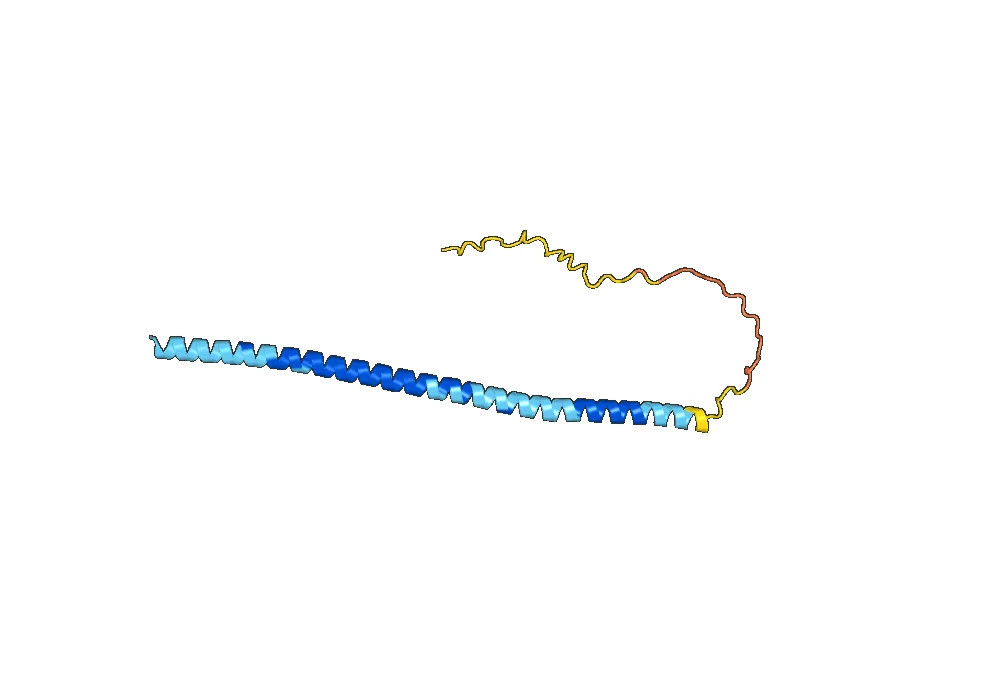
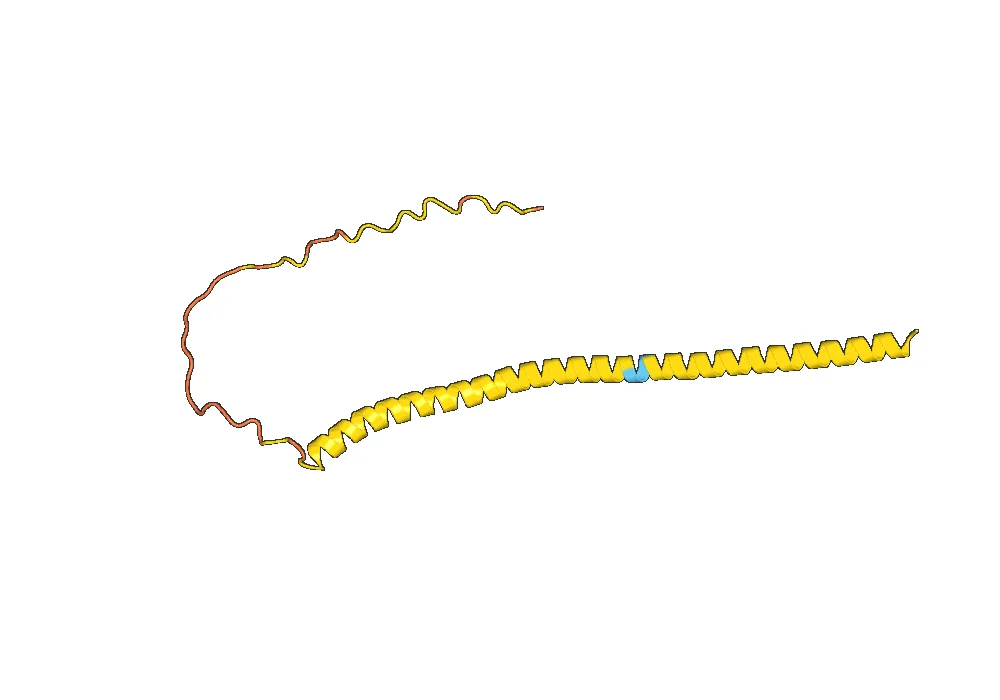
Prasinezumab Biosimilar, also known as Anti-SNCA mAb, is a monoclonal antibody that has been developed as a potential therapeutic agent for Parkinson’s disease. This biosimilar is designed to target the alpha-synuclein (SNCA) protein, which is believed to play a key role in the pathogenesis of Parkinson’s disease. In this article, we will discuss the structure, activity, and potential applications of Prasinezumab Biosimilar as a research-grade antibody.
Structure of Prasinezumab Biosimilar
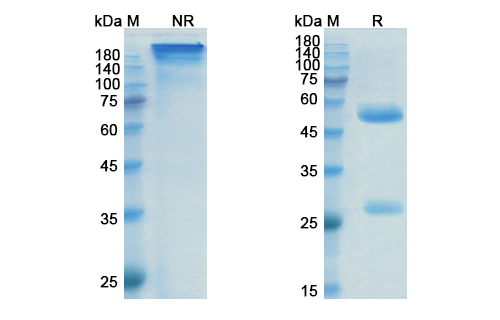
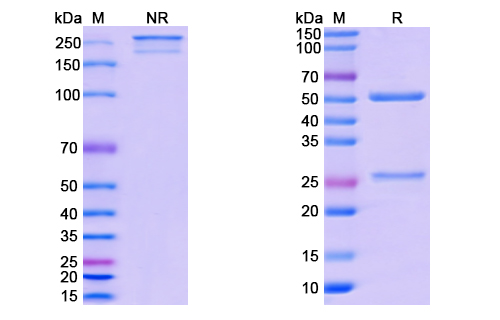
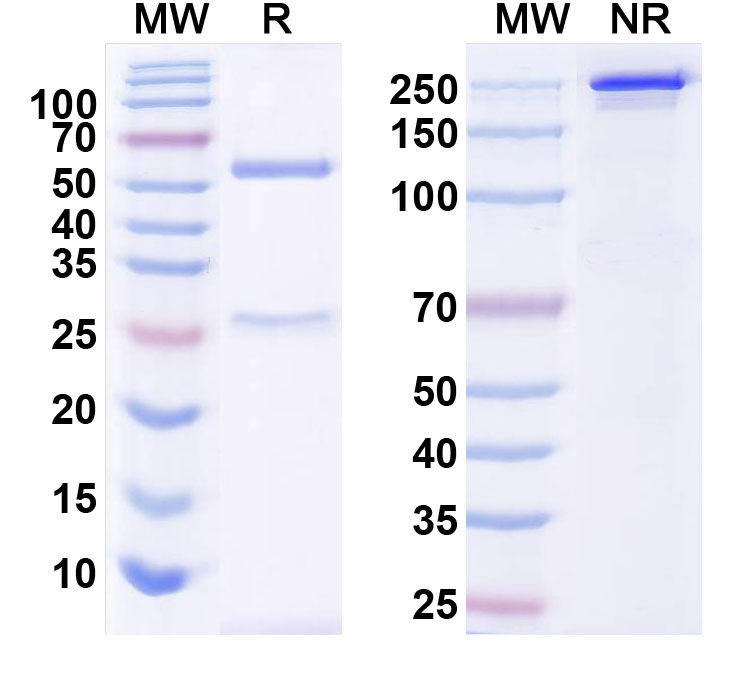
Prasinezumab Biosimilar is a recombinant humanized monoclonal antibody that is composed of two identical heavy chains and two identical light chains. The heavy chains are approximately 50 kDa in size and consist of four constant domains (CH1, CH2, CH3, and CH4) and one variable domain (VH). The light chains are approximately 25 kDa in size and consist of two constant domains (CL and CL2) and one variable domain (VL). The variable domains of both the heavy and light chains are responsible for binding to the SNCA protein.
Activity of Prasinezumab Biosimilar
Prasinezumab Biosimilar works by specifically binding to the SNCA protein, preventing its aggregation and subsequent formation of Lewy bodies, which are a hallmark of Parkinson’s disease. This binding also promotes the clearance of SNCA protein from the brain, reducing its toxic effects on dopaminergic neurons. In preclinical studies, Prasinezumab Biosimilar has been shown to effectively reduce SNCA levels and improve motor function in animal models of Parkinson’s disease.
Application as a Research-Grade Antibody
Prasinezumab Biosimilar is currently being developed as a research-grade antibody for use in laboratory studies and clinical trials. Its potential applications include:
1. Target Validation Studies As a specific and potent binder of SNCA protein, Prasinezumab Biosimilar can be used to validate the role of SNCA in the pathogenesis of Parkinson’s disease. This antibody can be used in in vitro and in vivo studies to investigate the effects of SNCA inhibition on disease progression and motor function.
2. Biomarker Development Prasinezumab Biosimilar can also be used to develop biomarkers for Parkinson’s disease. By measuring the levels of SNCA protein in biological samples, such as cerebrospinal fluid or blood, this antibody can help identify individuals at risk for developing Parkinson’s disease and monitor disease progression.
3. Therapeutic Development The promising preclinical data of Prasinezumab Biosimilar make it a potential candidate for therapeutic development. Clinical trials are currently underway to evaluate its safety and efficacy in patients with Parkinson’s disease. If successful, this antibody could provide a much-needed disease-modifying treatment for this debilitating condition.
4. Drug Screening Prasinezumab Biosimilar can also be used in drug screening assays to identify small molecules or other biologics that can inhibit SNCA aggregation or promote its clearance. This approach can aid in the discovery of novel treatments for Parkinson’s disease.
Conclusion
In summary, Prasinezumab Biosimilar is a promising research-grade antibody that specifically targets the SNCA protein, a key player in the pathogenesis of Parkinson’s disease. Its potential applications in target validation, biomarker development, therapeutic development, and drug screening make it a valuable tool for research in this field. Further studies and clinical trials are needed to fully explore the potential of this antibody as a treatment for Parkinson’s disease.
There are no reviews yet.