Introduction to Picankibart Biosimilar – Anti-SGRF mAb
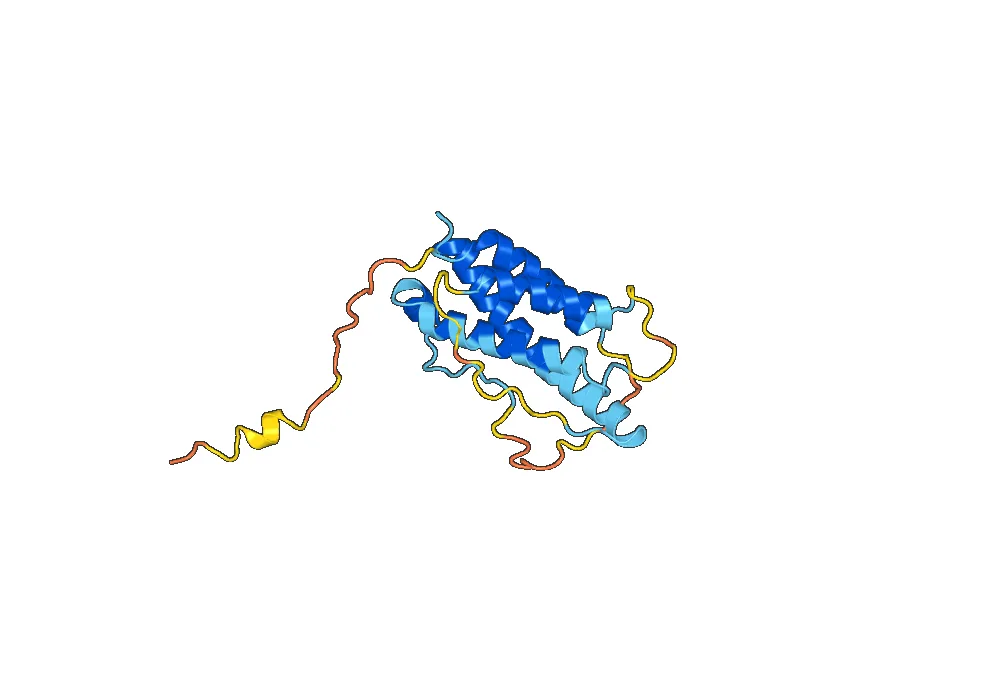
Picankibart Biosimilar – Anti-SGRF mAb is a monoclonal antibody (mAb) that targets the Sonic Hedgehog (SHH) signaling pathway. It is a biosimilar version of the original anti-SGRF mAb, which has been developed for research purposes. This biosimilar offers a more cost-effective and accessible option for researchers studying the SHH pathway and its role in various diseases.
Structure of Picankibart Biosimilar – Anti-SGRF mAb
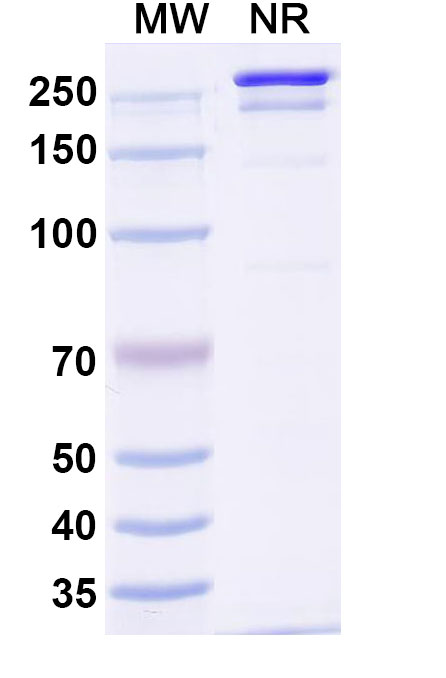
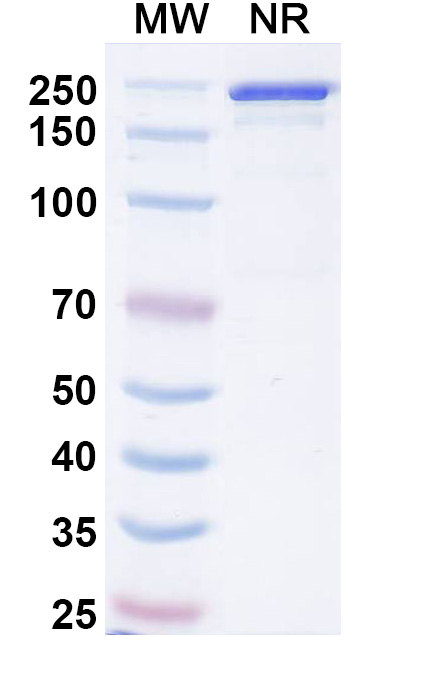
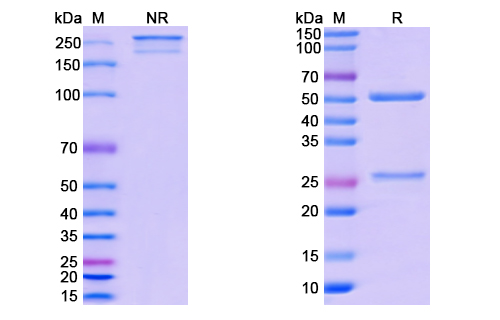
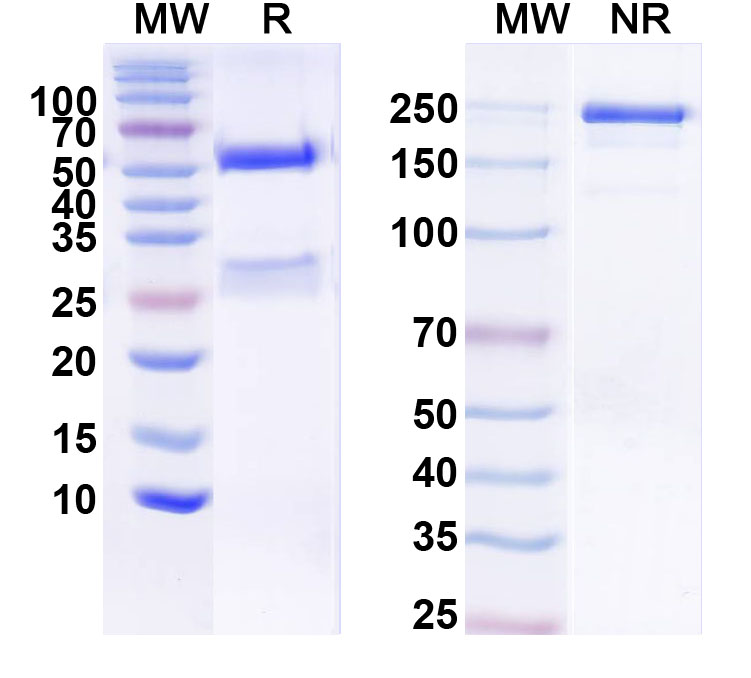
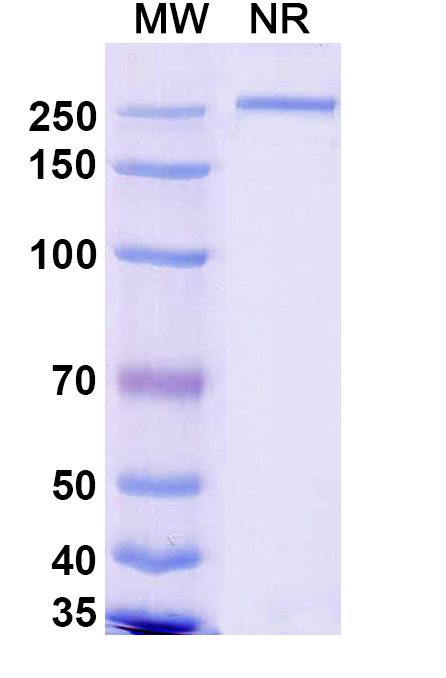
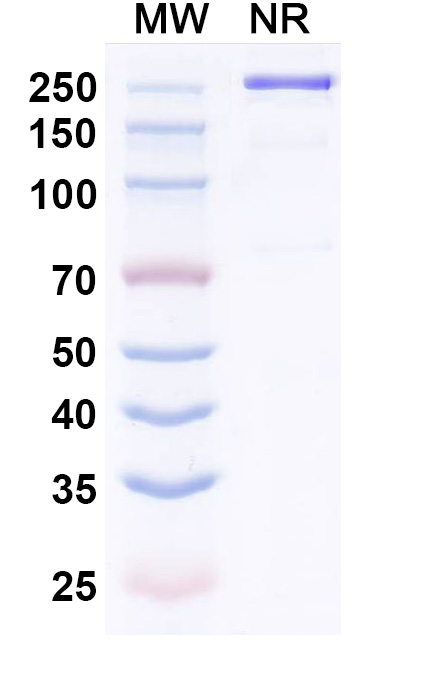
Picankibart Biosimilar – Anti-SGRF mAb is a recombinant humanized monoclonal antibody that is produced in Chinese hamster ovary (CHO) cells. It has a molecular weight of approximately 150 kDa and consists of two identical heavy chains and two identical light chains. The heavy chains are composed of four constant domains (CH1, CH2, CH3, and CH4) and one variable domain (VH), while the light chains have two constant domains (CL and CL2) and one variable domain (VL). The variable domains of the heavy and light chains form the antigen-binding site, which specifically recognizes the SHH protein.
Activity of Picankibart Biosimilar – Anti-SGRF mAb
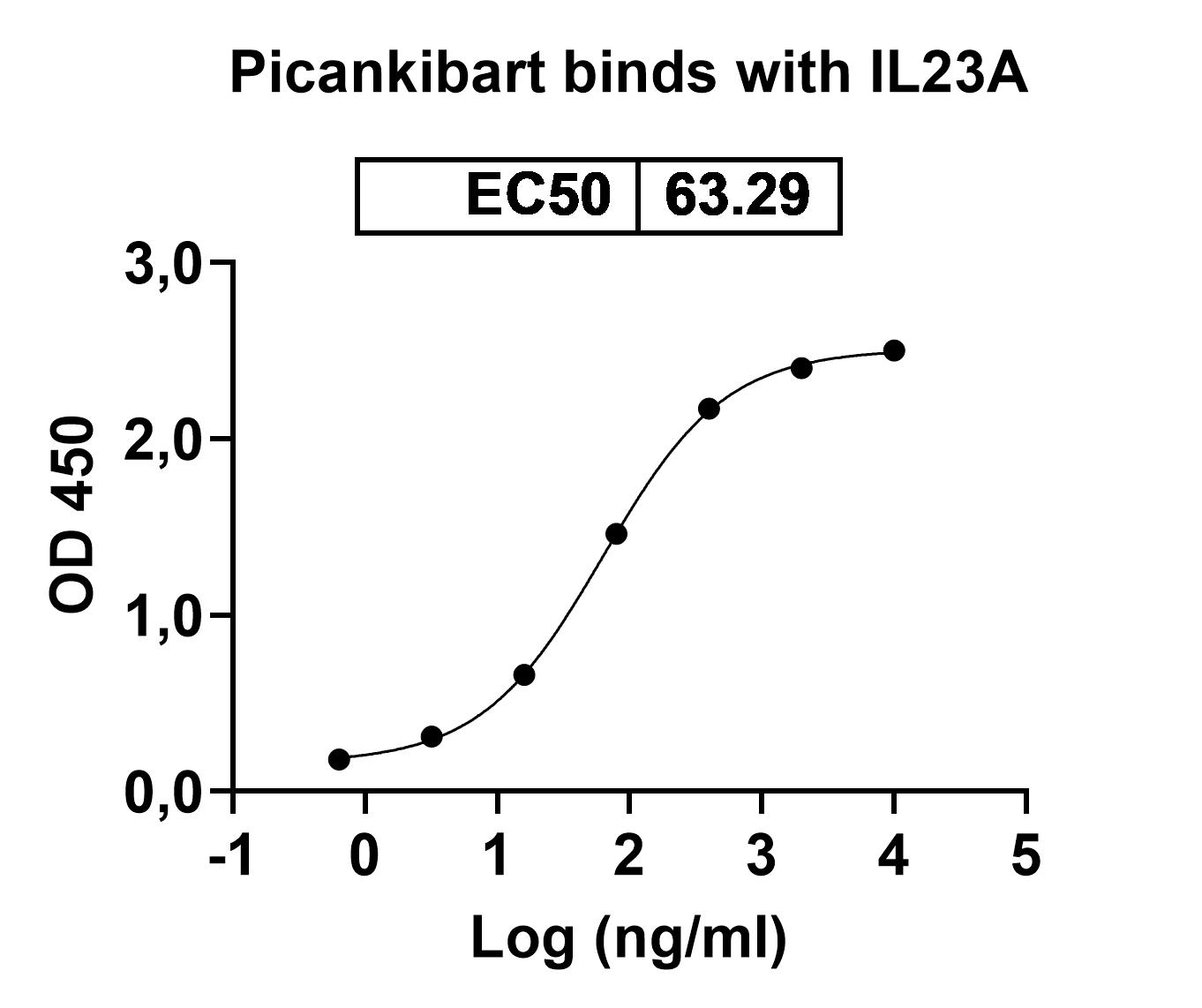
Picankibart Biosimilar – Anti-SGRF mAb exerts its activity by binding to the SHH protein and blocking its interaction with its receptor, Patched (PTCH). This prevents the activation of the SHH signaling pathway, which is involved in cell proliferation, differentiation, and survival. By inhibiting this pathway, Picankibart Biosimilar – Anti-SGRF mAb can modulate various cellular processes and potentially have therapeutic effects in diseases where the SHH pathway is dysregulated.
Application of Picankibart Biosimilar – Anti-SGRF mAb in Research
Picankibart Biosimilar – Anti-SGRF mAb has a wide range of applications in research, particularly in the study of the SHH signaling pathway and its role in various diseases. Some specific applications include:
1.
Cancer Research: The SHH pathway has been implicated in the development and progression of various cancers, including basal cell carcinoma, medulloblastoma, and pancreatic cancer. Picankibart Biosimilar – Anti-SGRF mAb can be used to study the effects of SHH pathway inhibition on cancer cells and potentially develop new therapeutic strategies.
2. Developmental Biology: The SHH pathway plays a crucial role in embryonic development, and its dysregulation can lead to birth defects. Picankibart Biosimilar – Anti-SGRF mAb can be used to study the effects of SHH pathway inhibition on embryonic development and potentially identify new targets for birth defect prevention.
3. Neurological Disorders: The SHH pathway has been linked to various neurological disorders, including Alzheimer’s disease, Parkinson’s disease, and amyotrophic lateral sclerosis (ALS). Picankibart Biosimilar – Anti-SGRF mAb can be used to investigate the role of the SHH pathway in these disorders and potentially develop new treatments.
4. Wound Healing: The SHH pathway is involved in wound healing and tissue regeneration. Picankibart Biosimilar – Anti-SGRF mAb can be used to study the effects of SHH pathway inhibition on wound healing and potentially improve the healing process.
Conclusion
In summary, Picankibart Biosimilar – Anti-SGRF mAb is a recombinant humanized monoclonal antibody that targets the SHH signaling pathway. Its structure, activity, and application make it a valuable tool for researchers studying the SHH pathway and its role in various diseases. With its cost-effectiveness and accessibility, this biosimilar offers a promising option for furthering our understanding of the SHH pathway and potentially developing new therapeutic interventions.

There are no reviews yet.