Introduction
Pavurutamab Biosimilar, also known as Anti-TNFRSF17,CD3E mAb, is a monoclonal antibody that has been developed as a biosimilar to the therapeutic antibody Pavurutamab. This antibody is designed to target two specific proteins, TNFRSF17 and CD3E, which are involved in the regulation of immune responses. In this article, we will explore the structure, activity, and potential applications of Pavurutamab Biosimilar.
Structure of Pavurutamab Biosimilar
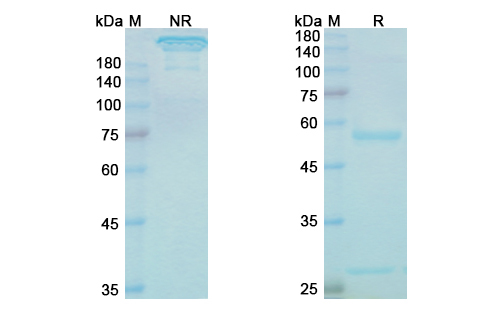
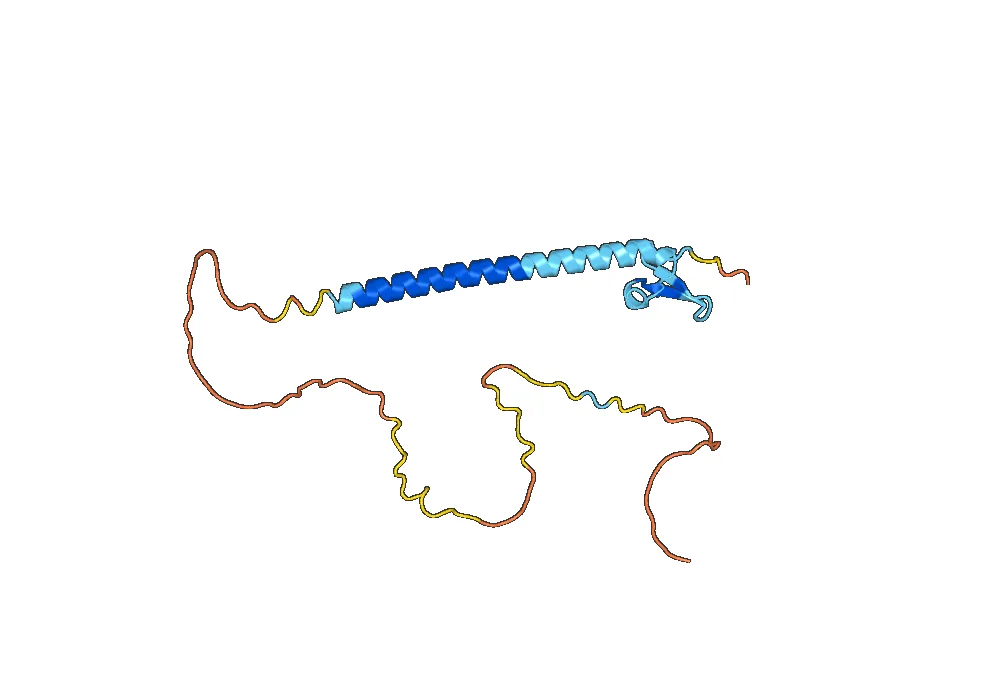
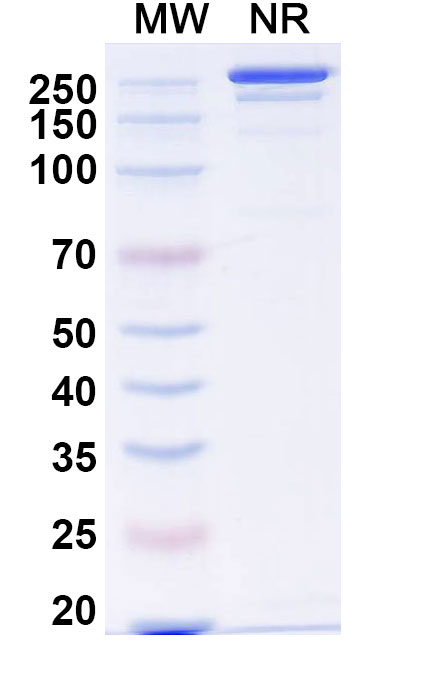
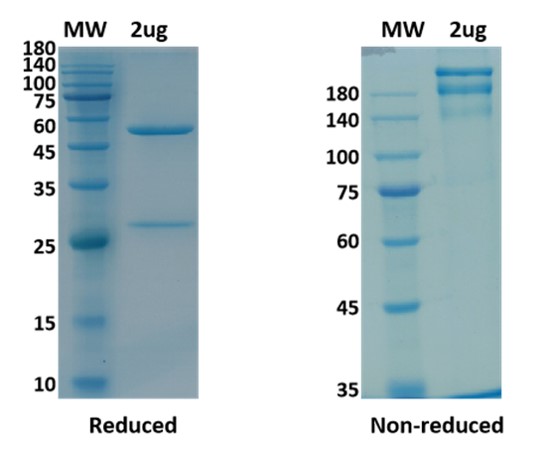
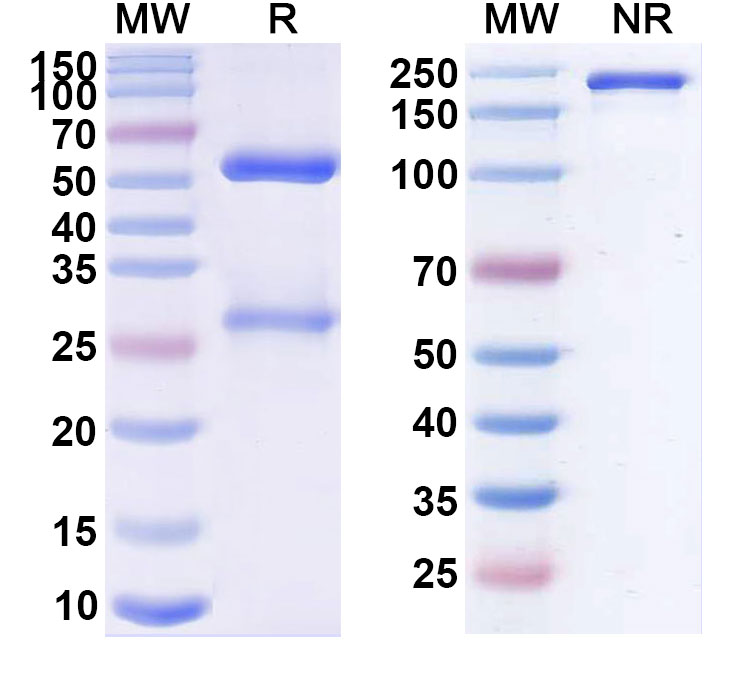
Pavurutamab Biosimilar is a monoclonal antibody, which means that it is produced by a single type of immune cell. This antibody is composed of two heavy chains and two light chains, which are connected by disulfide bonds. The heavy chains are responsible for the antibody’s binding specificity, while the light chains help to stabilize the overall structure.
The variable regions of Pavurutamab Biosimilar are highly specific for the target proteins, TNFRSF17 and CD3E. These regions, also known as the antigen-binding regions, are located at the tips of the antibody’s arms. They are made up of a unique sequence of amino acids that allow the antibody to bind specifically to its targets.
Activity of Pavurutamab Biosimilar
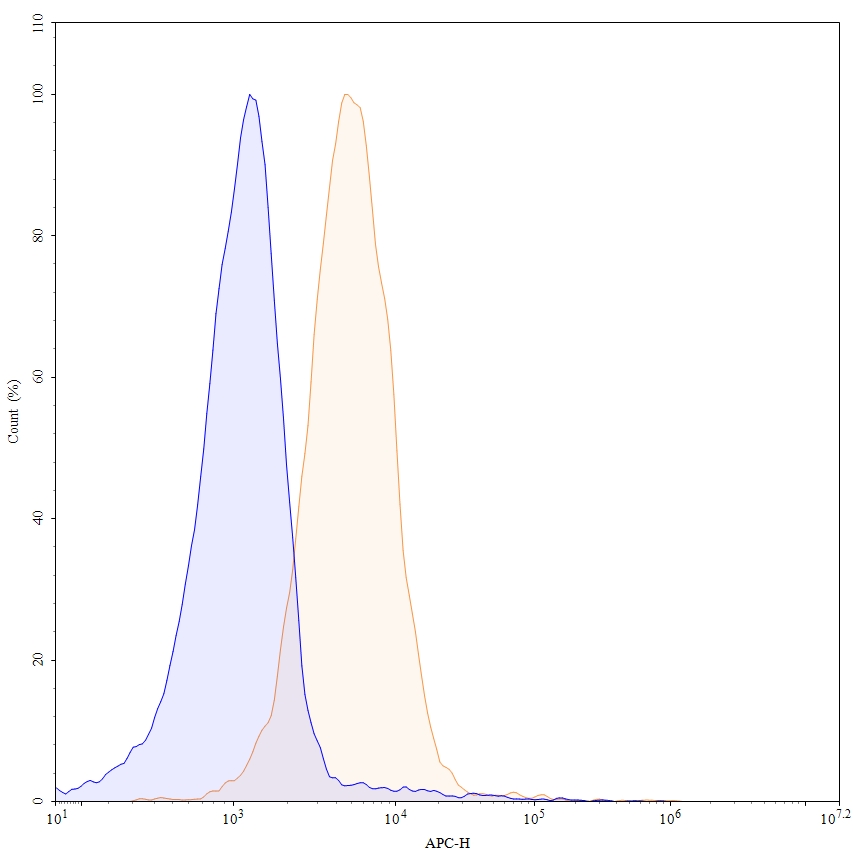
Pavurutamab Biosimilar works by binding to TNFRSF17 and CD3E, which are both expressed on the surface of immune cells. TNFRSF17, also known as BCMA, is a member of the tumor necrosis factor receptor superfamily and is involved in the regulation of B cell survival and proliferation. CD3E is a component of the T cell receptor complex and is essential for T cell activation.
By binding to these proteins, Pavurutamab Biosimilar can modulate immune responses. It can inhibit the proliferation of B cells and induce apoptosis, or programmed cell death, in these cells. It can also activate T cells, leading to the production of cytokines and the killing of target cells. These activities make Pavurutamab Biosimilar a promising therapeutic agent for the treatment of various immune-related disorders.
Applications of Pavurutamab Biosimilar
Pavurutamab Biosimilar has shown potential as a therapeutic agent in various preclinical and clinical studies. It has been investigated for the treatment of multiple myeloma, a type of cancer that affects plasma cells. TNFRSF17 is highly expressed in multiple myeloma cells, making it an attractive target for this antibody. In a phase I clinical trial, Pavurutamab Biosimilar showed promising results in patients with relapsed or refractory multiple myeloma, with manageable side effects.
In addition to multiple myeloma, Pavurutamab Biosimilar has also been studied for the treatment of other B cell malignancies, such as non-Hodgkin’s lymphoma and chronic lymphocytic leukemia. It has also been investigated for the treatment of autoimmune diseases, such as rheumatoid arthritis and lupus.
Furthermore, Pavurutamab Biosimilar has potential as a research tool for studying the role of TNFRSF17 and CD3E in immune responses. Its high specificity and affinity for these proteins make it a valuable tool for studying their functions and interactions.
Conclusion
Pavurutamab Biosimilar, a monoclonal antibody targeting TNFRSF17 and CD3E, has shown promising results in preclinical and clinical studies for the treatment of various immune-related disorders. Its unique structure and specific activity make it a valuable therapeutic agent and research tool. Further studies and clinical trials are needed to fully explore the potential of this biosimilar in the treatment of different diseases.

There are no reviews yet.