Introduction
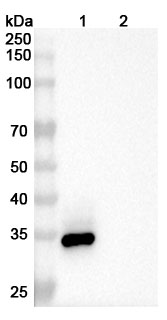
Oleclumab Biosimilar, also known as Anti-NT5E or CD73 monoclonal antibody, is a research grade antibody that has been developed for its potential therapeutic applications. This antibody targets the CD73 protein, which is a key enzyme involved in the production of adenosine, a molecule that plays a crucial role in regulating the immune response. In this article, we will discuss the structure, activity, and potential applications of Oleclumab Biosimilar.
Structure of Oleclumab Biosimilar
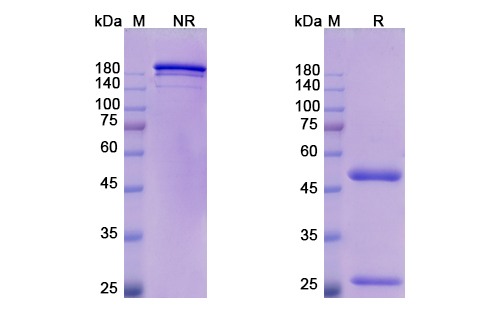
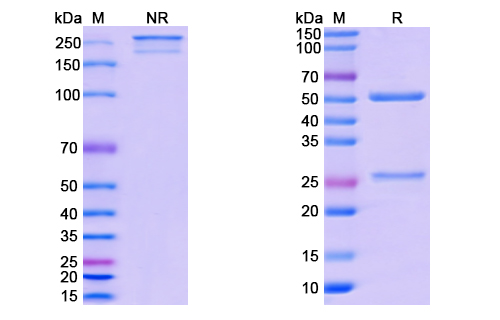
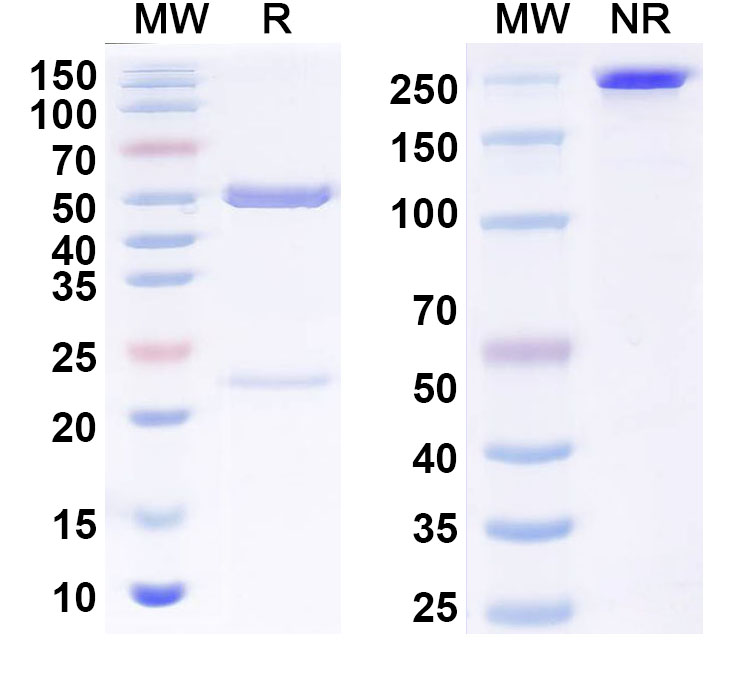
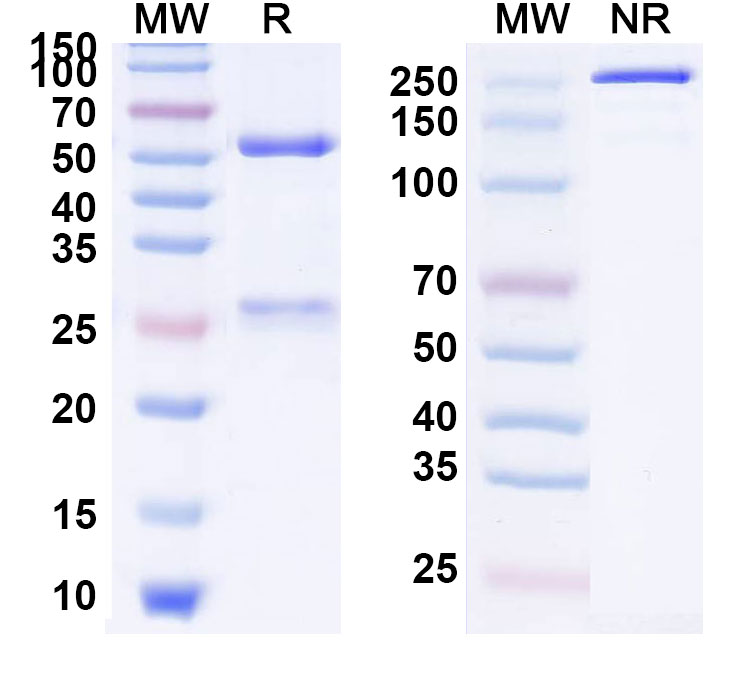
Oleclumab Biosimilar is a monoclonal antibody, which means it is a type of protein made in the laboratory that can bind specifically to a particular target molecule. The antibody is made up of two heavy chains and two light chains, each with a specific amino acid sequence. The heavy and light chains are connected by disulfide bonds, forming a Y-shaped structure.
The variable regions of the antibody, also known as the antigen-binding sites, are located at the tips of the Y-shaped structure. These regions are responsible for binding to the specific target molecule, CD73, with high affinity and specificity. The constant regions of the antibody, on the other hand, are responsible for the effector functions of the antibody, such as activating the immune system.
Activity of Oleclumab Biosimilar
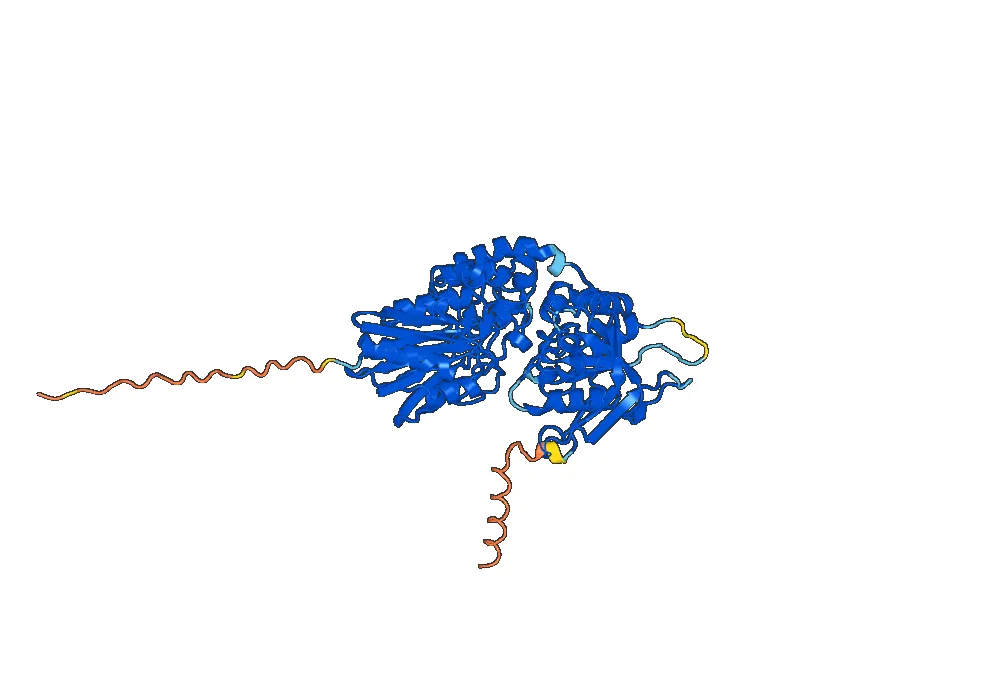
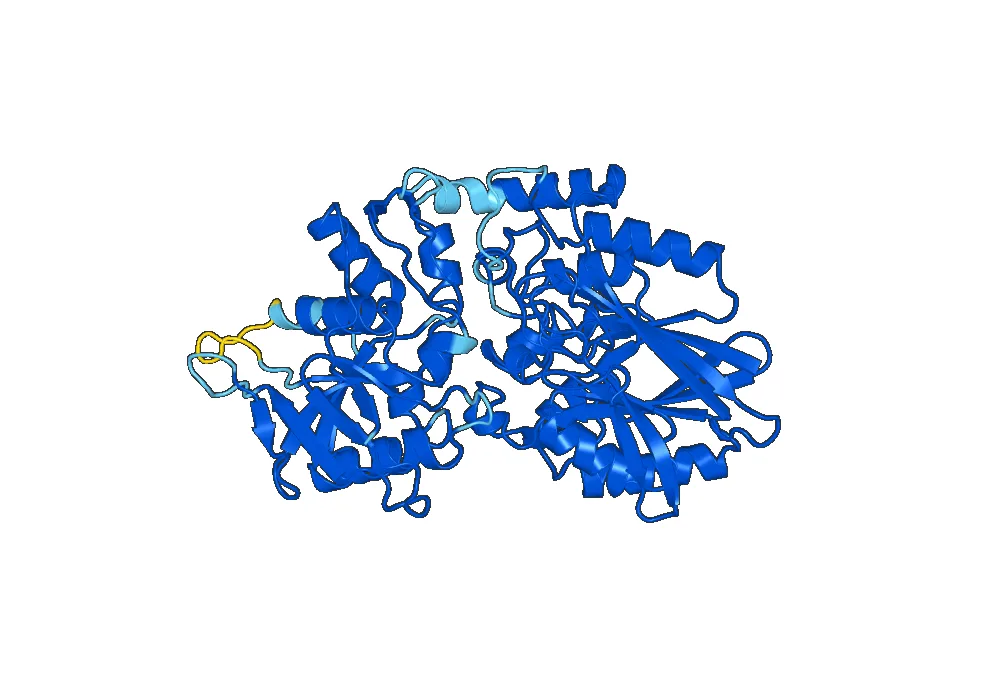
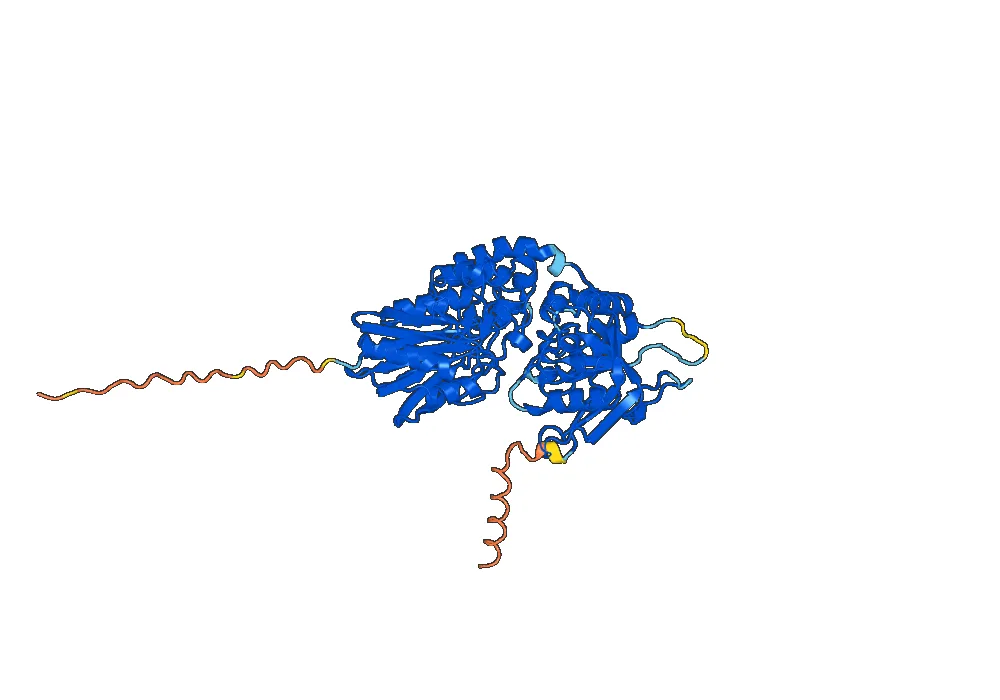
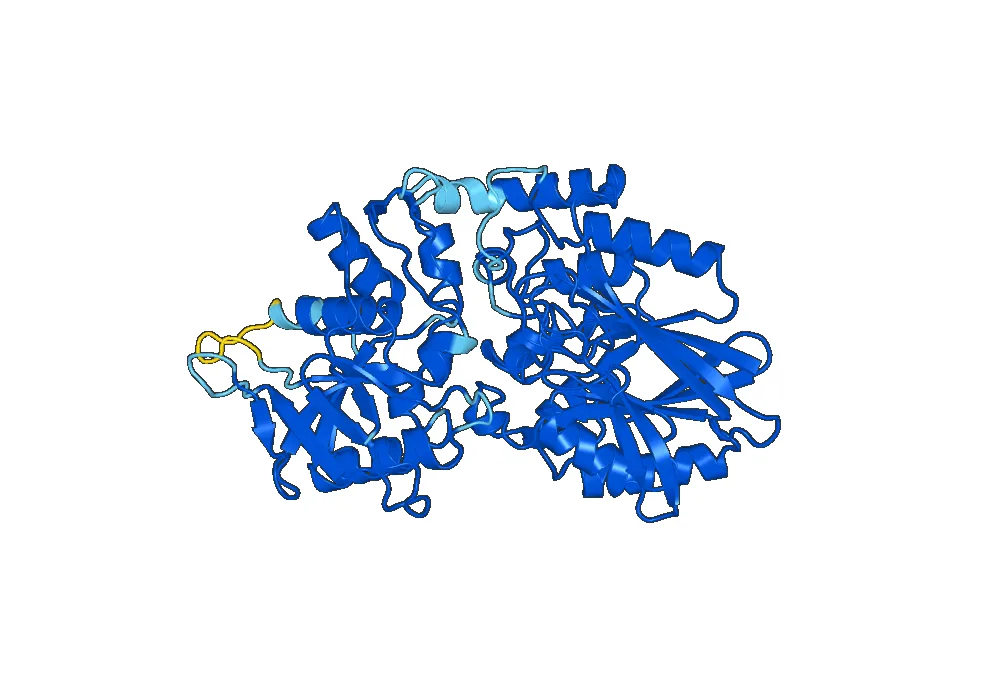
Oleclumab Biosimilar specifically targets the CD73 protein, which is found on the surface of various immune cells, including T cells, B cells, and natural killer cells. CD73 is an ecto-5′-nucleotidase enzyme that converts extracellular ATP to adenosine. Adenosine is a potent immunosuppressive molecule that can inhibit the activity of immune cells and promote tumor growth.
By binding to CD73, Oleclumab Biosimilar blocks its activity, preventing the conversion of ATP to adenosine. This leads to an increase in extracellular ATP levels, which can activate immune cells and enhance their anti-tumor activity. Additionally, the antibody can also directly induce cell death in cancer cells that express CD73, further contributing to its anti-tumor effects.
Applications of Oleclumab Biosimilar
The potential therapeutic applications of Oleclumab Biosimilar are mainly focused on its anti-tumor effects. As mentioned earlier, the antibody can enhance the activity of immune cells and directly induce cell death in cancer cells, making it a promising candidate for cancer immunotherapy.
Several preclinical studies have shown the efficacy of Oleclumab Biosimilar in various types of cancer, including breast, lung, and colon cancer. In a study on breast cancer, treatment with Oleclumab Biosimilar led to a significant reduction in tumor growth and improved survival in mice. Similarly, in a study on lung cancer, the antibody was found to enhance the activity of immune cells and inhibit tumor growth.
Apart from its potential as a cancer treatment, Oleclumab Biosimilar may also have applications in other diseases. CD73 has been implicated in various inflammatory and autoimmune disorders, and targeting it with Oleclumab Biosimilar may have therapeutic benefits in these conditions.
Conclusion
Oleclumab Biosimilar, also known as Anti-NT5E or CD73 monoclonal antibody, is a research grade antibody that specifically targets the CD73 protein. By blocking the activity of CD73, the antibody can enhance the anti-tumor activity of immune cells and directly induce cell death in cancer cells. It has shown promising results in preclinical studies and may have potential applications in cancer immunotherapy and other diseases. Further research and clinical trials are needed to fully understand the potential of Oleclumab Biosimilar as a therapeutic agent.
There are no reviews yet.