Title: Introducing Nisevokitug Biosimilar – A Revolutionary Anti-TGFbeta mAb for Research Grade Applications
Introduction:
Nisevokitug Biosimilar is a novel monoclonal antibody (mAb) that specifically targets and inhibits the activity of transforming growth factor-beta (TGFbeta). This biosimilar is a highly effective and versatile tool for research purposes, offering a wide range of applications in various fields of life sciences.
Structure of Nisevokitug Biosimilar:
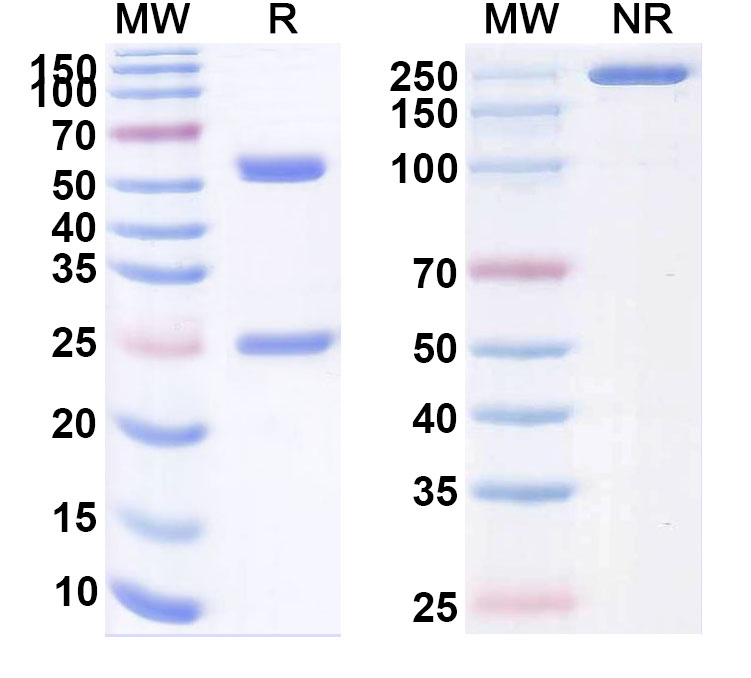
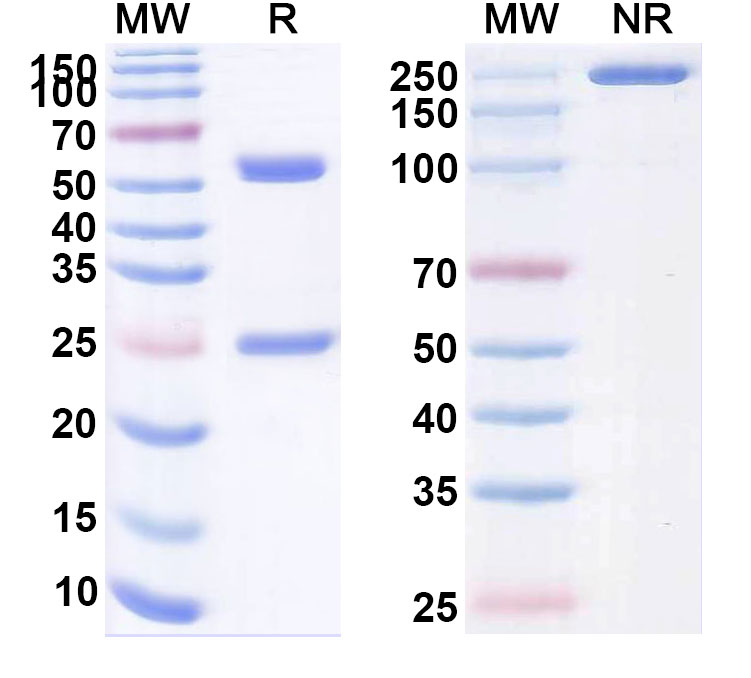
Nisevokitug Biosimilar is a recombinant humanized mAb, produced through advanced biotechnology techniques. It is composed of two identical heavy chains and two identical light chains, connected by disulfide bonds. The variable regions of the antibody are designed to specifically bind to TGFbeta, while the constant regions confer stability and effector functions.
Activity of Nisevokitug Biosimilar:
TGFbeta is a multifunctional cytokine that plays a crucial role in various physiological processes, such as cell proliferation, differentiation, and immune response. However, dysregulation of TGFbeta signaling has been implicated in the pathogenesis of many diseases, including cancer, fibrosis, and autoimmune disorders. Nisevokitug Biosimilar effectively blocks the binding of TGFbeta to its receptors, thereby inhibiting downstream signaling pathways and preventing the detrimental effects of excessive TGFbeta activity.
Applications of Nisevokitug Biosimilar:
1.
Cancer Research:
TGFbeta is known to promote tumor growth, invasion, and metastasis. Nisevokitug Biosimilar can be used to study the role of TGFbeta in different types of cancer and evaluate its potential as a therapeutic target. It can also be used to test the efficacy of combination therapies with other anti- cancer agents.
2. Fibrosis Research:
Excessive TGFbeta activity is a major contributor to tissue fibrosis, a condition characterized by excessive deposition of extracellular matrix proteins. Nisevokitug Biosimilar can be used to investigate the mechanisms of fibrosis and develop potential treatments for fibrotic disorders.
3. Immunology Research:
TGFbeta has a complex role in immune regulation, with both pro- and anti-inflammatory effects. Nisevokitug Biosimilar can be used to study the impact of TGFbeta inhibition on immune cell function and its potential as a therapeutic strategy for autoimmune diseases.
4. Drug Development:
Nisevokitug Biosimilar can be used as a positive control in drug development studies targeting TGFbeta. Its high specificity and potency make it a reliable tool for evaluating the efficacy of potential TGFbeta inhibitors.
5. Diagnostic Tool:
TGFbeta levels have been correlated with disease progression and response to treatment in various diseases. Nisevokitug Biosimilar can be used as a diagnostic tool to measure TGFbeta levels in patient samples and aid in disease diagnosis and monitoring.
Conclusion:
Nisevokitug Biosimilar is a powerful research-grade tool for investigating the role of TGFbeta in various diseases and developing potential treatments. Its high specificity, potency, and versatility make it a valuable addition to the arsenal of life science researchers. With its potential to uncover new insights and therapeutic options, Nisevokitug Biosimilar is set to revolutionize the field of TGFbeta research.
There are no reviews yet.