Introduction
Miptenalimab Biosimilar, also known as Anti-LAG3 mAb, is a research grade monoclonal antibody that has gained significant attention in the field of immunotherapy. This antibody is designed to target the Lymphocyte Activation Gene-3 (LAG-3) protein, which plays a crucial role in regulating the immune response. In this article, we will explore the structure, activity, and potential applications of Miptenalimab Biosimilar as a therapeutic agent.
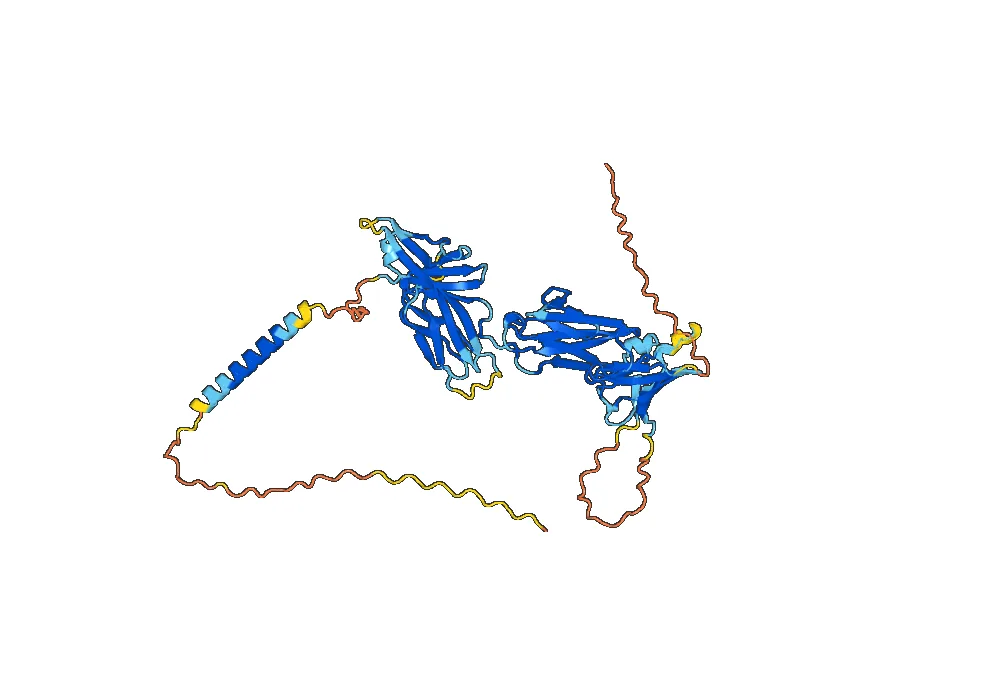
Structure of Miptenalimab Biosimilar
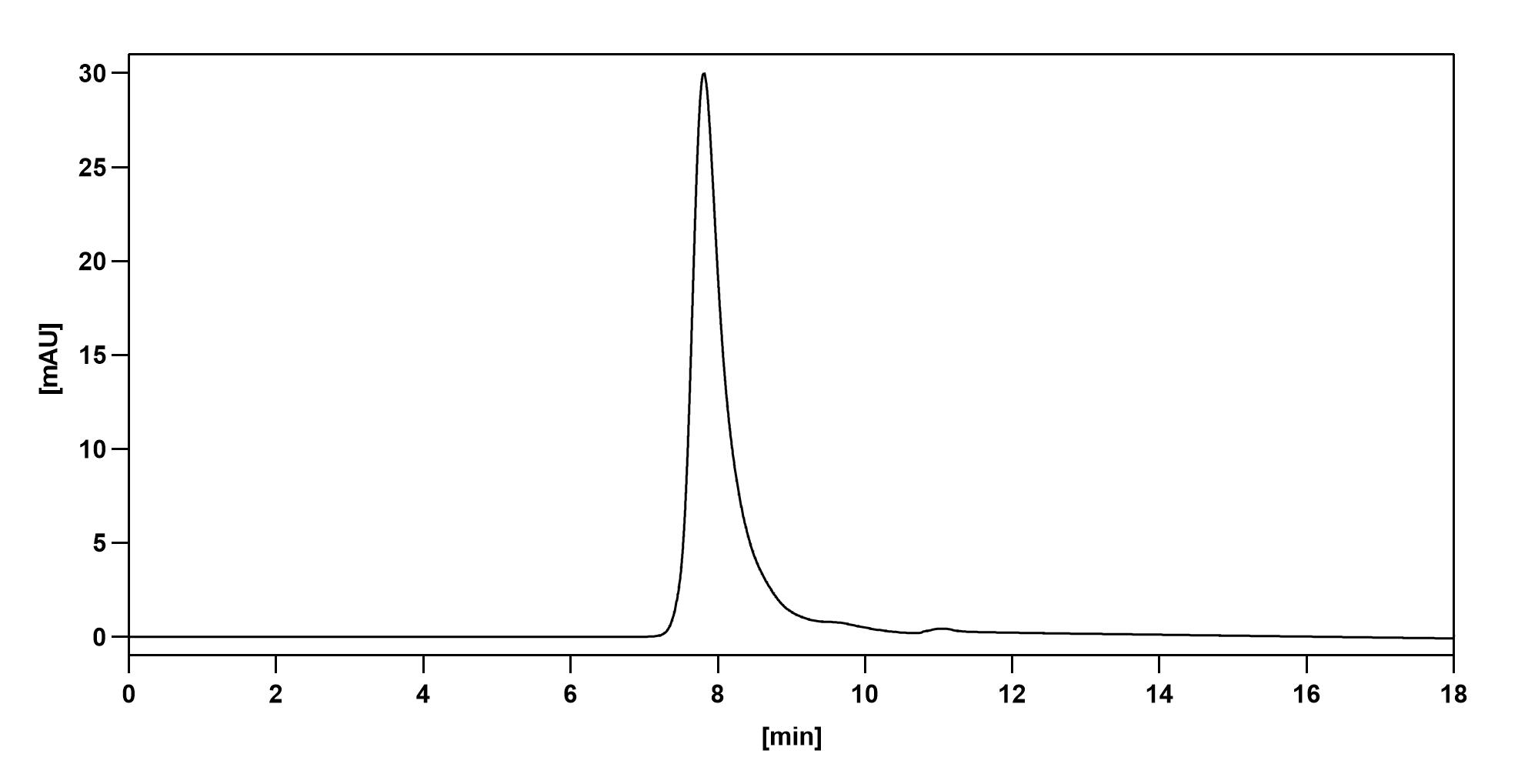
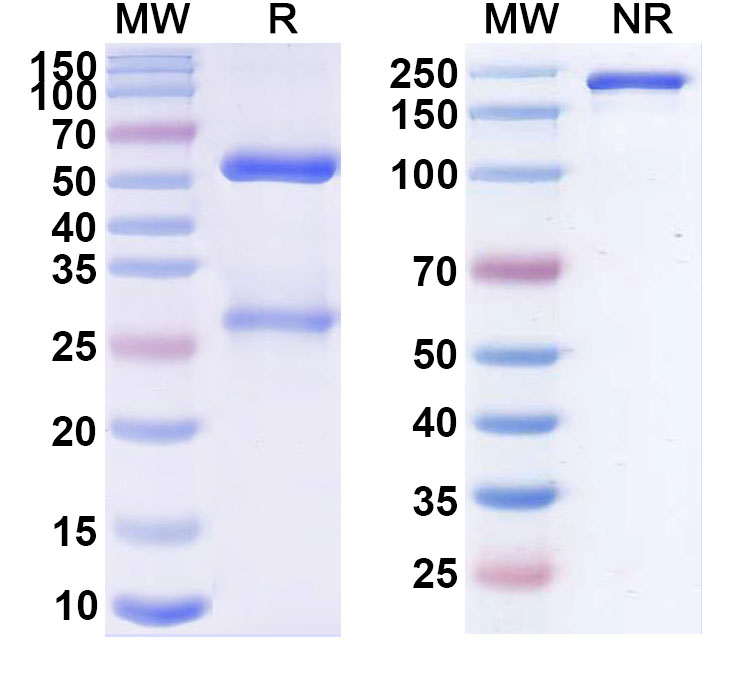
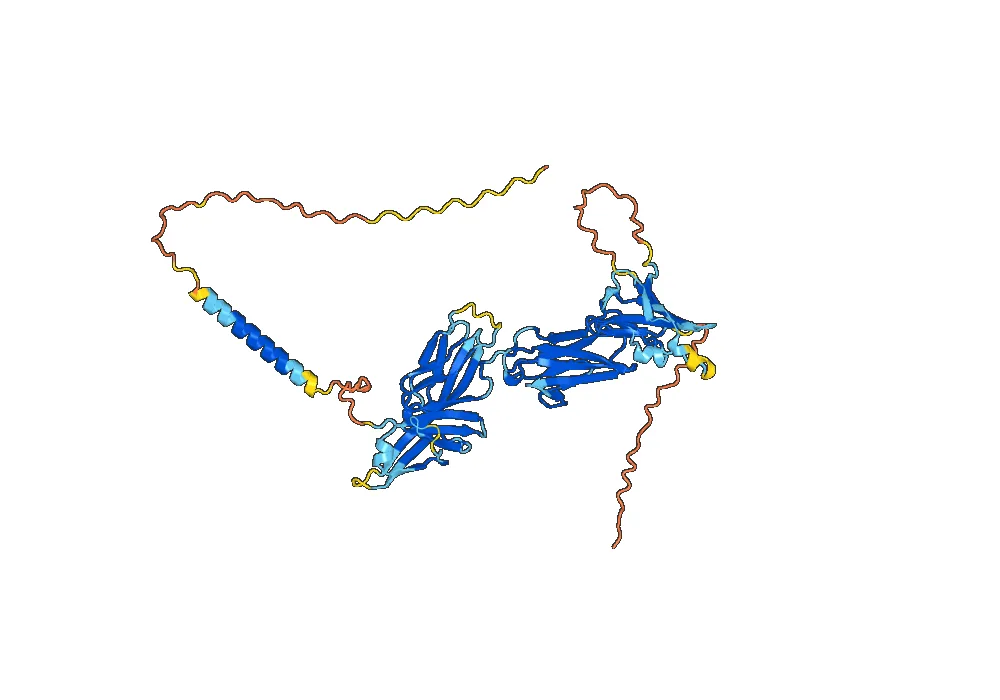
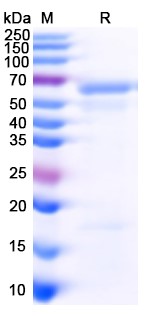
Miptenalimab Biosimilar is a fully humanized monoclonal antibody, meaning it is derived from human cells and has a high affinity for its target protein. It consists of two identical heavy chains and two identical light chains, connected by disulfide bonds. The antibody has a molecular weight of approximately 150 kDa and belongs to the immunoglobulin G (IgG) class.
The variable region of Miptenalimab Biosimilar is responsible for binding to LAG-3, while the constant region mediates effector functions such as antibody-dependent cell-mediated cytotoxicity (ADCC) and complement-dependent cytotoxicity (CDC). This unique structure allows Miptenalimab Biosimilar to specifically target LAG-3 expressing cells and initiate an immune response against them.
Activity of Miptenalimab Biosimilar
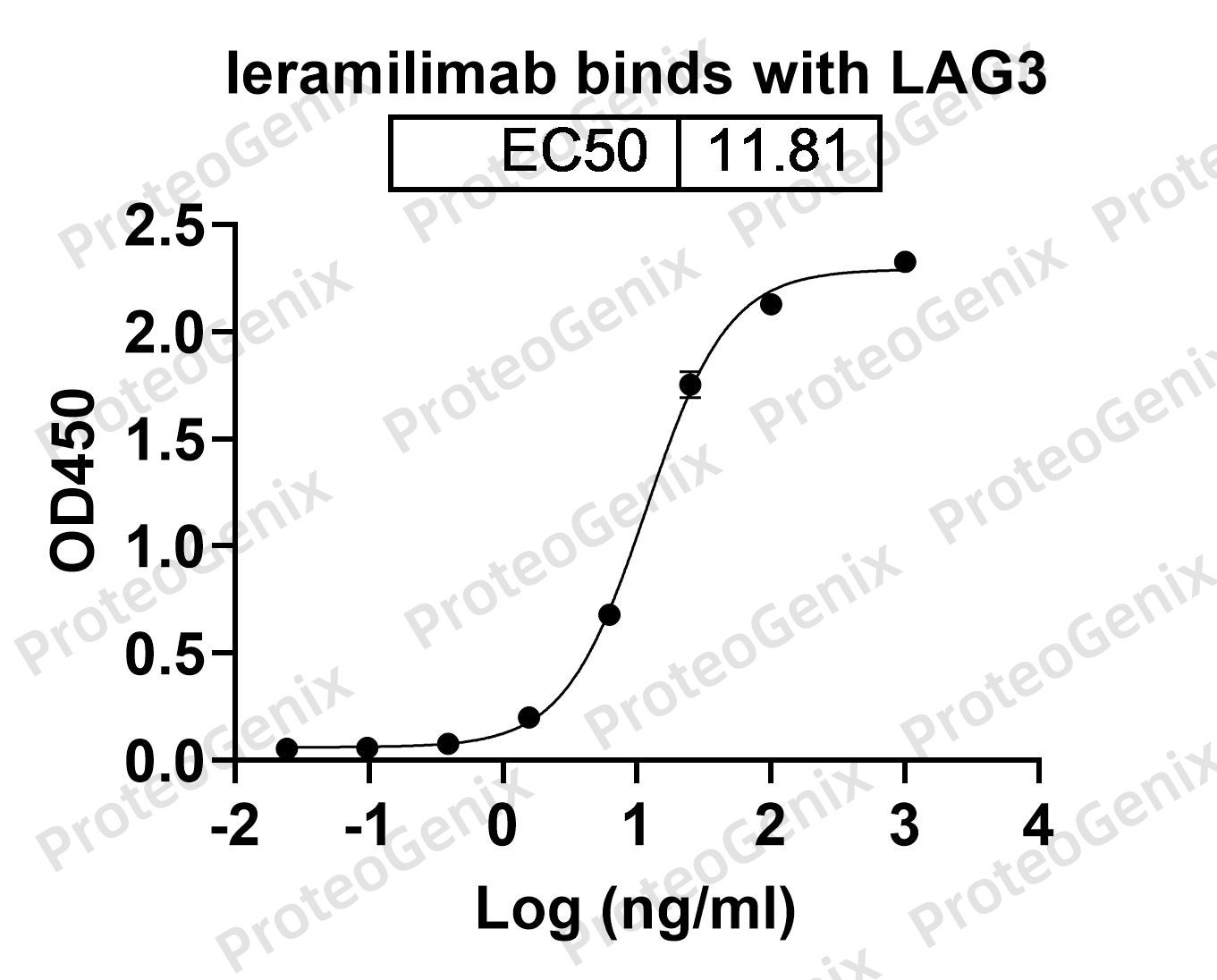
LAG-3 is a negative regulator of T cell activation and function. It is expressed on the surface of activated T cells, regulatory T cells, and natural killer (NK) cells. By binding to LAG-3, Miptenalimab Biosimilar blocks the interaction between LAG-3 and its ligands, such as MHC class II molecules, which are present on antigen-presenting cells.
This blockade leads to the activation and proliferation of T cells, as well as enhanced cytokine production. Additionally, Miptenalimab Biosimilar can also induce ADCC and CDC, resulting in the destruction of LAG-3 expressing cells. These mechanisms of action make Miptenalimab Biosimilar a promising immunotherapeutic agent for various diseases.
Therapeutic Applications of Miptenalimab Biosimilar
1.
Cancer immunotherapy: The overexpression of LAG-3 has been observed in various types of cancer, including melanoma, breast cancer, and lung cancer. By targeting LAG-3, Miptenalimab Biosimilar can enhance the anti-tumor immune response and potentially improve the efficacy of other cancer treatments.
2. Autoimmune diseases: LAG-3 is also involved in the development of autoimmune diseases, such as multiple sclerosis and rheumatoid arthritis. By inhibiting LAG-3, Miptenalimab Biosimilar can suppress the activity of autoreactive T cells and alleviate the symptoms of these diseases.
3.
Infectious diseases: LAG-3 is upregulated in chronic viral infections, such as HIV and hepatitis B, and is associated with T cell exhaustion. Miptenalimab Biosimilar can restore the function of exhausted T cells and enhance the immune response against these infections.
Conclusion
In summary, Miptenalimab Biosimilar is a research grade monoclonal antibody that specifically targets LAG-3 and has the potential to be used as a therapeutic agent in various diseases. Its unique structure and activity make it a promising immunotherapeutic option, and further research and clinical trials are needed to fully understand its potential in the treatment of diseases.

There are no reviews yet.